Nasal Cradle Vs Nasal Pillow: Ultimate Comfort Showdown Revealed
Struggling to find the right CPAP mask for your sleep therapy? You’re not alone.
Choosing between a nasal cradle and a nasal pillow can feel confusing, but the right fit can change how comfortable and effective your treatment is. Imagine waking up refreshed, without irritation or leaks. This guide will help you understand the key differences, so you can make the best choice for your comfort and better sleep.
Keep reading—you’re just a few minutes away from a more peaceful night.
Nasal Cradle Basics
Nasal cradles are a popular choice for many who use CPAP masks. They offer a comfortable fit and help keep the mask stable. Understanding the basics of nasal cradles helps in choosing the right option. This section explains the design, materials, and user experience of nasal cradles.
Design And Structure
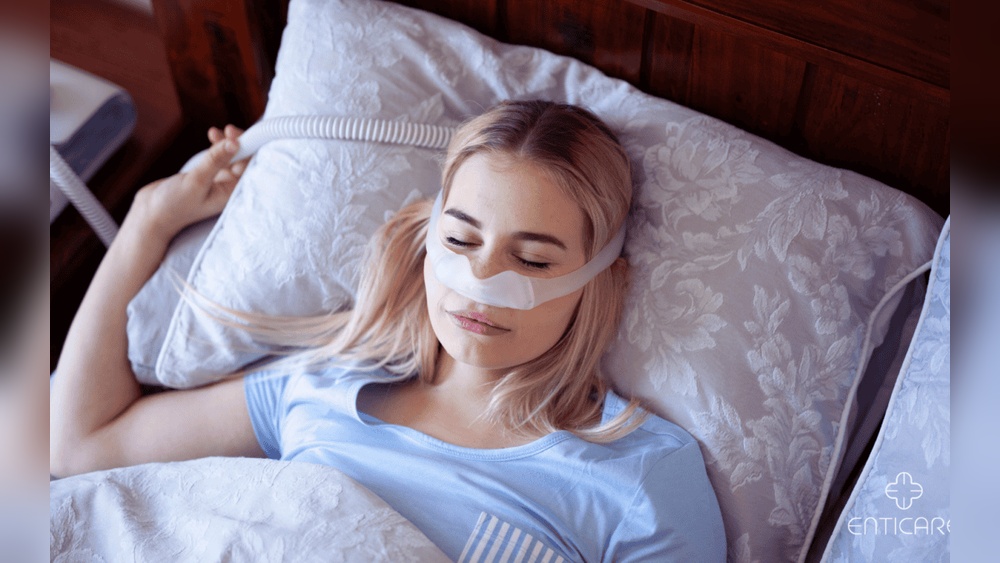
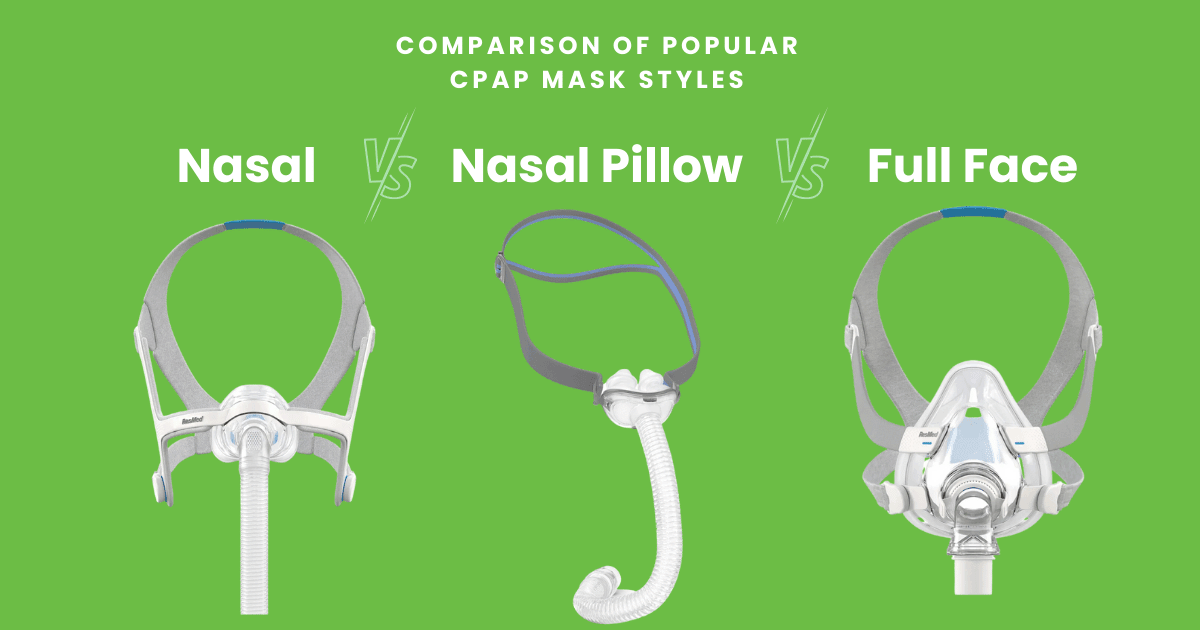
Nasal cradles sit just under the nose. They have soft cushions that rest on the upper lip. This design avoids covering the nostrils directly. The structure is lightweight and aims to reduce pressure on the face. The open design allows for a natural breathing feel.
Common Materials Used
Silicone is the main material for nasal cradles. It is soft and flexible. This helps create a gentle seal on the skin. Some nasal cradles use gel for extra comfort. The frame often uses lightweight plastic. These materials make the mask easy to clean and durable.
Typical User Experience
Users find nasal cradles less bulky than full-face masks. They allow for a clear field of vision. Many report less skin irritation around the nose. The design minimizes air leaks around the nostrils. Users also enjoy easier mask adjustment and less strap tension.
Nasal Pillow Essentials
Nasal pillows are a popular choice for many who use CPAP machines. They offer a simple way to deliver air directly into the nostrils. Understanding their essentials helps in choosing the right option for comfort and effectiveness.
These small devices come in various designs and materials. Each feature affects how well they fit and feel during use. Let’s explore what makes nasal pillows unique and how they differ from other types.
Design And Structure
Nasal pillows have a minimalistic design. They consist of small, soft cushions that fit just inside the nostrils. This design reduces the contact area on the face. It helps to lower the chance of skin marks or irritation. The structure is lightweight, making it less bulky to wear. This design suits people who dislike large masks.
Materials And Fit
Most nasal pillows use soft silicone or gel. These materials provide a gentle seal without hard pressure. The fit is crucial for preventing air leaks. Nasal pillows come in different sizes to match nostril shapes. Proper fitting ensures better air delivery and comfort. Many brands offer adjustable or interchangeable pillows. This feature helps users find their best fit easily.
User Comfort Insights
Comfort is a key factor in nasal pillow use. They often feel less restrictive than full masks. The open design allows more freedom of movement during sleep. Some users report less skin irritation with nasal pillows. Noise levels tend to be lower due to the smaller size. These benefits make nasal pillows a favorite for light sleepers. Yet, they may not suit users with dry or sensitive nostrils.
Comfort Comparison
Comfort plays a big role in choosing between a nasal cradle and nasal pillow. Both aim to provide a good fit for your sleep therapy. Yet, their design affects comfort in different ways. Understanding these differences helps you pick the best option for a restful night.
Pressure Points And Fit
Nasal cradles rest around the nose, spreading pressure gently. They avoid tight spots by sitting softly on the nose bridge and cheeks. Nasal pillows fit inside the nostrils, which may cause pressure at the entry point. Some users feel pinching or discomfort if the size is not right. A good fit reduces leaks and improves comfort for both types.
Breathability And Airflow
Nasal cradles allow more open airflow due to their design. They cover the nose without blocking it, letting air flow freely. Nasal pillows deliver air directly into the nostrils, offering a more direct flow. This can feel stronger but may also feel less natural for some. Both types support breathing well but differ in airflow sensation.
Skin Contact And Irritation
Nasal cradles touch a larger skin area but use soft materials to prevent irritation. They reduce risk of skin marks by distributing pressure. Nasal pillows touch less skin but press inside the nose, which might cause soreness. Cleaning and choosing the right size help prevent irritation for both. Skin health is important for long-term comfort.
Credit: www.cpap.com
Sleep Quality Impact
Sleep quality depends a lot on the mask type used in therapy. Nasal cradle and nasal pillow masks affect sleep in different ways. Understanding these effects helps choose the right mask for better rest. The following sections explore key factors influencing sleep quality for each mask type.
Noise Levels
Nasal cradle masks often create less noise because they cover more skin area. The soft frame reduces air leaks that cause whistling sounds. Nasal pillow masks sit directly at the nostrils. This position can cause slight noise from airflow. Quiet masks support deeper, uninterrupted sleep.
Seal Stability
Nasal cradle masks usually offer a stable seal. Their larger design fits around the nose comfortably. This reduces the chance of air leaks during sleep. Nasal pillow masks rely on small cushions in the nostrils. Movement may break the seal more easily. A strong seal keeps therapy effective all night.
Movement Adaptability
Nasal pillow masks adapt well to side and stomach sleepers. Their lightweight design moves with the user. Nasal cradle masks are bulkier and may shift with movement. This can cause discomfort or leaks. Choosing a mask that suits your sleep position improves rest quality.
Maintenance And Durability
Maintenance and durability are key factors for nasal cradle and nasal pillow masks. Keeping them clean and knowing their lifespan helps users get the best experience. Both types need care but differ in how to maintain and how long they last.
Cleaning Requirements
Nasal cradle masks have more parts to clean. The frame and cushions require daily wiping. Nasal pillow masks need cleaning of the small pillow tips. Warm water and mild soap work well for both. Avoid harsh chemicals to protect the materials.
Daily cleaning prevents buildup of dirt and oils. It keeps the mask comfortable and safe. Let the parts air dry before use to avoid damage.
Wear And Tear
Nasal cradles can show wear on the frame and straps. The cushions might lose shape over time. Nasal pillows face wear mainly on the soft pillow tips. These tips can become hard or cracked with use. Both masks may lose their fit and comfort as parts wear out.
Regular checks help spot wear early. Replace parts that look damaged or feel uncomfortable.
Replacement Frequency
Nasal cradle cushions usually need replacement every 1 to 3 months. The frame and straps last longer if cared for. Nasal pillow tips often require replacement every 1 to 2 months. This keeps the seal tight and comfort high. Following the manufacturer’s advice helps extend mask life and ensures good therapy.
Suitability For Different Sleepers
Choosing between a nasal cradle and a nasal pillow depends on your sleeping style. Both devices help keep your airway open during sleep. But each fits better with different sleeping positions. Knowing your sleep habits helps pick the right one. This improves comfort and therapy effectiveness.
Side Sleepers
Side sleepers often move a lot during the night. Nasal pillows offer a lightweight design that stays secure. They cause less pressure on the face. Nasal cradles can be bulkier and may shift more. Pillows fit well under the nose without blocking movement. This makes them a good choice for side sleepers.
Back Sleepers
Back sleepers usually keep their head steady. Nasal cradles provide a stable fit around the nose bridge. They cover more area and can reduce air leaks. Nasal pillows are also suitable but may cause slight discomfort if the mask shifts. Cradles offer more cushion and support for this position.
Active Sleepers
Active sleepers toss and turn often. Nasal pillows are flexible and move with your face. They reduce the chance of mask displacement. Nasal cradles might feel tight and less adaptable. For active sleepers, pillows tend to stay in place better during motion.
Choosing The Right Option
Choosing the right nasal interface for your CPAP therapy can affect your comfort and treatment success. Both nasal cradle and nasal pillow masks have unique features. Understanding these differences helps you pick the best option for your needs.
Personal Comfort Preferences
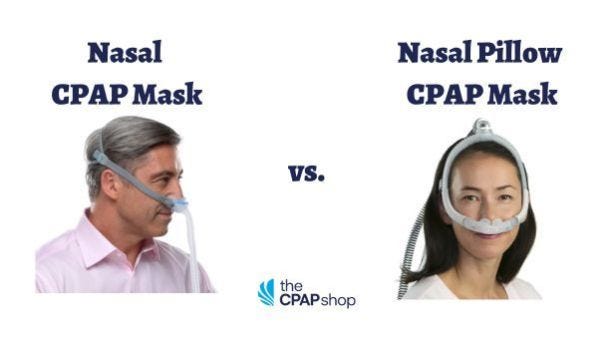
Nasal cradle masks rest under the nose and avoid direct contact inside the nostrils. They suit those who dislike pressure inside the nose. Nasal pillow masks fit just inside the nostrils, offering a secure fit. They work well for people who want minimal contact on the face. Trying both types helps discover which feels better during sleep.
Medical Considerations
People with sensitive skin may prefer nasal cradle masks to reduce irritation. Nasal pillow masks might cause soreness inside the nostrils for some users. Those with nasal congestion or allergies may find one style more comfortable. Consult your doctor or therapist for advice based on your health condition.
Budget Factors
Both mask types vary in price depending on brand and features. Nasal pillow masks often cost less but may need frequent replacement. Nasal cradle masks might have a higher upfront cost but last longer. Choosing a mask within your budget ensures consistent therapy without extra stress.
Credit: www.thecpapshop.com

Credit: enticare.com
Frequently Asked Questions
What Is The Main Difference Between Nasal Cradle And Pillow?
A nasal cradle supports the nose bridge gently, while nasal pillows seal the nostrils directly. Pillows provide a more minimal contact. Cradles offer softer support and comfort around the nose area.
Which Is Better For Sensitive Skin, Nasal Cradle Or Pillow?
Nasal cradles are better for sensitive skin. They avoid direct pressure inside nostrils. Nasal pillows may cause irritation for some users due to direct contact with nostrils.
Can Nasal Pillows Improve Cpap Therapy Effectiveness?
Yes, nasal pillows can improve CPAP therapy by providing a secure, tight seal. They reduce air leaks and increase comfort during sleep. This enhances therapy efficiency for many users.
Are Nasal Cradles More Comfortable For Long-term Use?
Nasal cradles tend to be more comfortable for long-term use. They distribute pressure evenly around the nose bridge. This reduces soreness and skin marks compared to nasal pillows.
Conclusion
Choosing between a nasal cradle and nasal pillow depends on your comfort needs. Nasal cradles offer gentle support around the nose. Nasal pillows fit directly into the nostrils for a snug seal. Both help with breathing during sleep. Think about which feels better on your face.
Try each type if possible before deciding. Good fit means better sleep and less irritation. Sleep well by picking the right mask for you. Simple choices can make a big difference at night.