

Nectar Vs Sap: Key Differences You Need to Know Today
Have you ever wondered what makes flowers so attractive and trees so full of life? The answer lies in two natural liquids: nectar and sap.
Though they might seem similar, nectar and sap serve very different purposes in the plant world. Understanding the difference between them can change the way you see nature around you—and even help you appreciate the foods and drinks you enjoy every day.
You’ll discover what sets nectar apart from sap and why both are essential in their own unique ways. Keep reading to unlock the secrets behind these fascinating plant fluids!

Credit: www.lemonsforlulu.com
What Is Nectar
Nectar is a sweet liquid made by flowers. It attracts insects and birds. These visitors help plants spread pollen and reproduce. Nectar plays a key role in nature’s cycle. It provides food for many creatures. Understanding nectar helps us learn about plants and animals.
Sources Of Nectar
Most flowers produce nectar. They make it inside special glands. Trees and shrubs also create nectar. Some cacti and succulents offer it too. Nectar can be found in blossoms, leaves, and stems. Each plant may have a unique way of producing nectar. This variety supports different types of pollinators.
Composition And Purpose
Nectar mainly contains sugar and water. It also has small amounts of minerals and vitamins. The sugar gives energy to insects and birds. Nectar’s scent and color attract pollinators. Its main purpose is to encourage pollination. Plants use nectar to ensure their seeds grow. Without nectar, many plants would struggle to reproduce.
What Is Sap
Sap is the fluid inside plants that moves nutrients and water. It flows through tubes in the plant stem and leaves. Sap helps plants grow and stay healthy. It carries food made in the leaves to other parts of the plant. It also transports water from the roots to the leaves.
Types Of Sap
Plants produce two main types of sap: xylem sap and phloem sap. Xylem sap carries water and minerals from roots up to the leaves. Phloem sap moves sugars and nutrients made in the leaves to the rest of the plant. Both types are vital for plant survival and growth.
Role In Plant Health
Sap keeps plants alive and healthy. It delivers nutrients to all plant parts. Without sap, plants cannot grow or repair themselves. Sap also helps plants fight diseases and heal wounds. It supports the plant’s overall strength and energy.
Comparing Nectar And Sap
Nectar and sap are two natural fluids found in plants. People often confuse them, but they serve different purposes. Understanding their differences helps appreciate how plants survive and interact with their environment.
Physical Characteristics
Nectar is a sweet, watery liquid. It usually contains sugars like glucose and fructose. Nectar is often clear or slightly colored. It is sticky and smells sweet to attract insects.
Sap is thicker and less sweet than nectar. It looks like a watery juice with nutrients and minerals. Sap can be clear, white, or even yellowish. It flows inside the plant’s veins or stems.
Biological Functions
Nectar attracts pollinators such as bees, butterflies, and birds. These animals help plants reproduce by spreading pollen. Nectar is found in flowers or special glands called nectaries.
Sap transports water and nutrients throughout the plant. It supports growth and repair. Sap moves inside the xylem and phloem tissues of the plant.
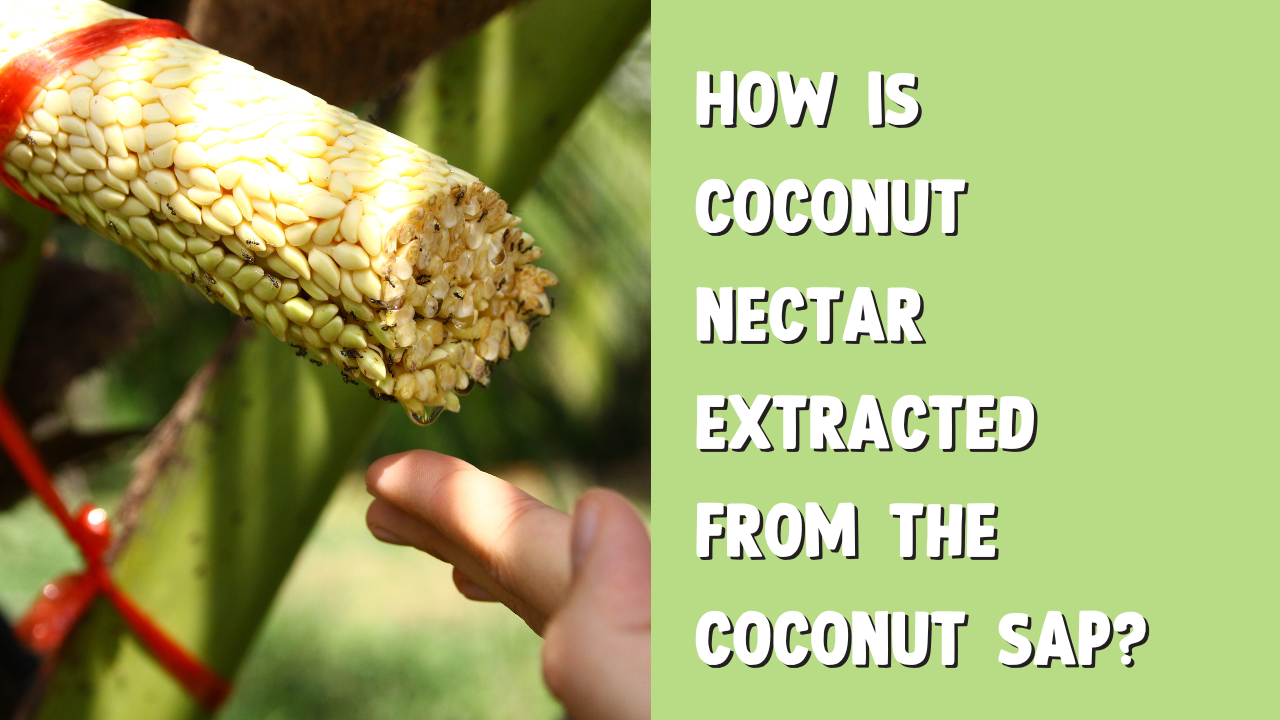
Credit: copracoconuts.com
Uses Of Nectar
Nectar plays an important role in nature and for humans. It is a sweet liquid made by flowers. Many living things depend on nectar for energy and survival. Its uses range from helping plants reproduce to providing food for animals and people. Understanding these uses helps us appreciate nectar more.
Attraction Of Pollinators
Nectar attracts pollinators like bees, butterflies, and hummingbirds. These animals visit flowers to drink nectar. While feeding, they carry pollen from one flower to another. This process helps plants make seeds and grow new plants. Without nectar, many plants would struggle to reproduce.
Pollinators get energy from the sugar in nectar. This energy helps them fly and collect more nectar. Flowers and pollinators have a close relationship. Nectar is the key to this natural partnership.
Human Uses
Humans use nectar in many ways. Bees collect nectar and turn it into honey. Honey is a natural sweetener enjoyed worldwide. It also has health benefits and can soothe sore throats.
Some cultures use nectar in traditional medicine. It may help with digestion and provide quick energy. Nectar also inspires flavors in drinks and desserts. Its sweetness makes it a popular ingredient in many recipes.
Uses Of Sap
Sap plays a vital role in the life of plants. It helps plants grow and stay healthy. Sap moves water, nutrients, and sugars inside the plant. This movement is crucial for survival and development.
Sap also finds use outside the plant. People collect sap for many purposes. These uses vary from food to industry. Understanding sap’s uses shows its importance beyond nature.
Nutrient Transport
Sap carries nutrients from roots to leaves. It transports water and minerals essential for growth. This flow supports photosynthesis and cell development. Sap also moves sugars from leaves to other parts. These sugars provide energy to the plant. Without sap, plants cannot distribute nutrients properly.
Commercial Applications
Sap serves many commercial uses. Maple syrup comes from tree sap. It is a popular sweetener worldwide. Some saps produce rubber, used in many products. Others create resins for varnishes and adhesives. Sap extracts also help make medicines and cosmetics. These uses show sap’s value beyond natural functions.
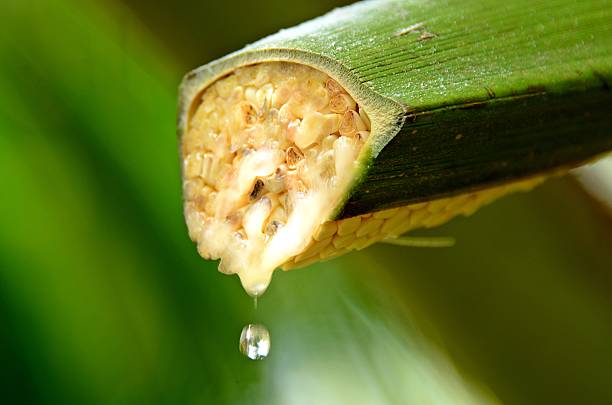
Credit: www.globalcocosugar.com
Common Misconceptions
Many people confuse nectar and sap. These two liquids come from plants but serve different purposes. Understanding their differences clears up common myths.
Nectar Is Not Sap
Nectar is a sweet liquid made by flowers. It attracts insects and birds. Sap is a fluid inside the plant that carries water and nutrients. Nectar and sap have different roles in nature.
Sap Is Not Always Sweet
Some think sap tastes sweet like nectar. Sap can be watery or sticky. Its taste depends on the plant type. It is not meant to attract animals like nectar.
Nectar Does Not Nourish The Plant
Nectar does not feed the plant itself. It is a reward for pollinators. Sap moves food and water inside the plant. Each has a unique job to keep plants alive.
How Plants Produce Nectar And Sap
Plants create both nectar and sap through different processes. These fluids serve unique purposes in their growth and survival. Understanding how plants make nectar and sap helps reveal their roles in nature.
Nectar is a sweet liquid. It attracts insects and birds. Sap is a thicker fluid. It moves nutrients inside the plant. Both are vital but come from different parts and cells.
How Nectar Is Produced
Nectar forms mainly in flowers. Specialized cells called nectaries make it. These cells extract water and sugars from the plant’s tissues. They then release a sugary liquid outside the flower.
This liquid attracts pollinators like bees and butterflies. It helps plants reproduce by spreading pollen. Nectar’s sweet taste comes from sugars like glucose and fructose.
How Sap Is Produced
Sap flows inside the plant through tubes. Xylem and phloem are two types of tubes. Xylem carries water and minerals from roots to leaves. Phloem moves sugars and nutrients from leaves to other parts.
Sap contains water, minerals, and food. It supports the plant’s growth and repair. Sap also helps heal wounds in the plant’s stem or leaves.
Environmental Impact On Nectar And Sap
The environment affects both nectar and sap in many ways. These natural liquids come from plants and trees. Their quality and quantity can change because of weather, pollution, and soil health. Understanding these impacts helps protect ecosystems and supports wildlife that rely on nectar and sap.
Climate Effects On Nectar And Sap
Temperature changes can alter nectar production in flowers. Hot weather may dry out nectar faster. Cold weather can slow down sap flow in trees. Rainfall also plays a role. Too much rain can dilute nectar and sap. Too little rain can reduce their amount.
Pollution And Its Impact
Air pollution harms plants and their secretions. Chemicals in the air can damage flowers and tree bark. This damage reduces nectar and sap quality. Polluted water used by plants also affects sap. Animals that feed on nectar and sap may suffer from pollution.
Soil Health And Its Role
Healthy soil supports strong plants. Good soil helps plants make more nectar and sap. Poor soil lacks nutrients needed by plants. This leads to less nectar and weaker sap flow. Soil erosion can also harm plant roots, reducing secretions.
Frequently Asked Questions
What Is The Main Difference Between Nectar And Sap?
Nectar is a sweet liquid produced by flowers to attract pollinators. Sap is a fluid that circulates nutrients within plants, mainly in stems and roots. Nectar is external and sugary, while sap is internal and nutrient-rich.
How Do Insects Use Nectar Versus Sap?
Insects primarily consume nectar for energy due to its high sugar content. Some insects feed on sap for nutrients and water. Nectar attracts pollinators, while sap-feeding insects often live on plant surfaces or wounds.
Can Humans Consume Nectar Or Sap Safely?
Humans typically consume nectar indirectly through honey made by bees. Some saps, like maple sap, are harvested for syrup and are safe to eat. However, not all saps are edible or safe for human consumption.
Why Do Plants Produce Nectar Instead Of Sap Externally?
Plants produce nectar to attract pollinators like bees and butterflies. Nectar is secreted outside flowers to encourage pollination. Sap stays inside plants to transport water and nutrients, not for external use.
Conclusion
Nectar and sap both play important roles in plants. Nectar attracts insects for pollination and helps flowers grow. Sap carries water and nutrients inside the plant. They look similar but serve different purposes. Knowing these differences helps us understand nature better.
Both are vital for plant life and the environment. Next time you see a flower or tree, think about nectar and sap. Simple yet powerful parts of the plant world.