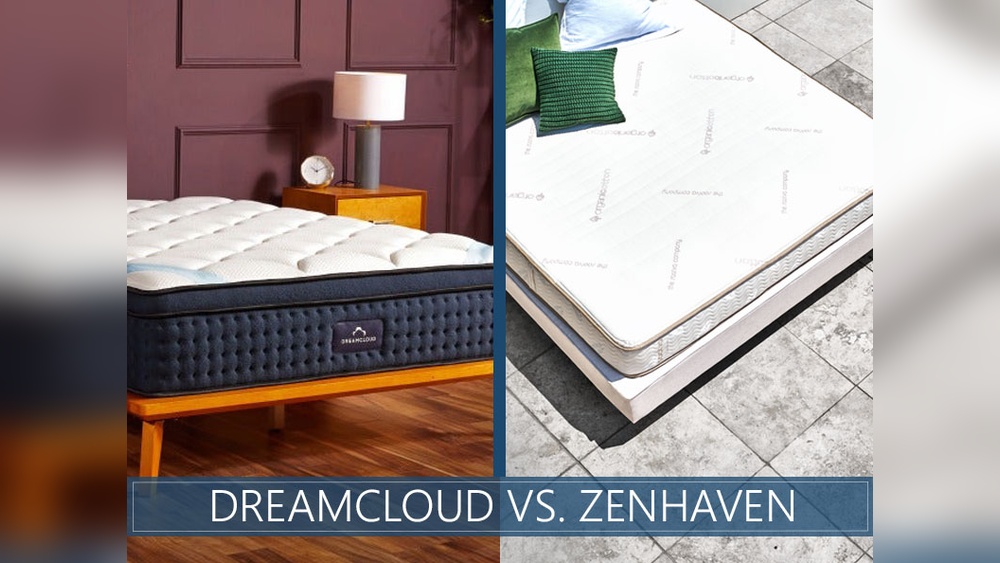
Dreamcloud Vs Zenhaven: Ultimate Mattress Showdown 2026
Are you struggling to choose the perfect mattress for your best night’s sleep? DreamCloud and Zenhaven are two top contenders, each promising comfort and support—but which one truly fits your needs?
You’ll discover the key differences that matter most for your rest, health, and daily energy. Keep reading to find out which mattress will give you the sleep experience you’ve been dreaming of.
Brand Backgrounds
Understanding the background of a mattress brand helps you make a better choice. Knowing where Dreamcloud and Zenhaven come from gives insight into their values and products. Each brand has a unique story that shapes its mattress designs and quality.
Dreamcloud Origins
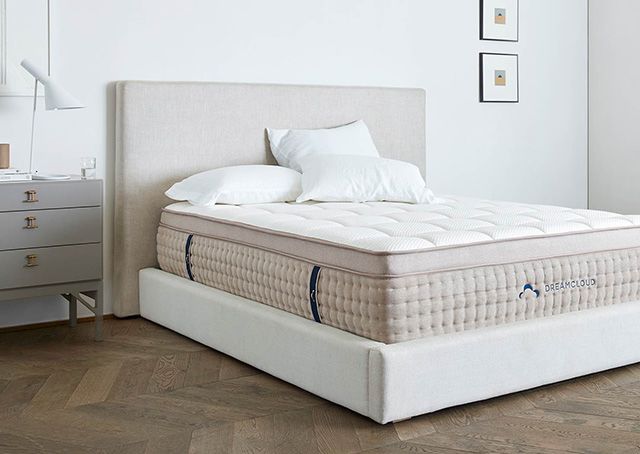
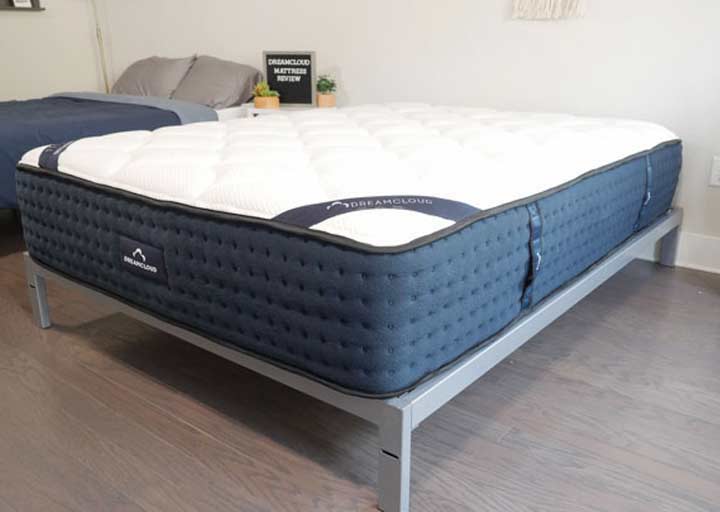
Dreamcloud began with a goal to offer luxury mattresses at fair prices. The company focuses on hybrid mattresses combining memory foam and innerspring coils. Founded in 2017, Dreamcloud quickly gained attention for comfort and support. Their products aim to suit many sleep styles and preferences.
Zenhaven Origins
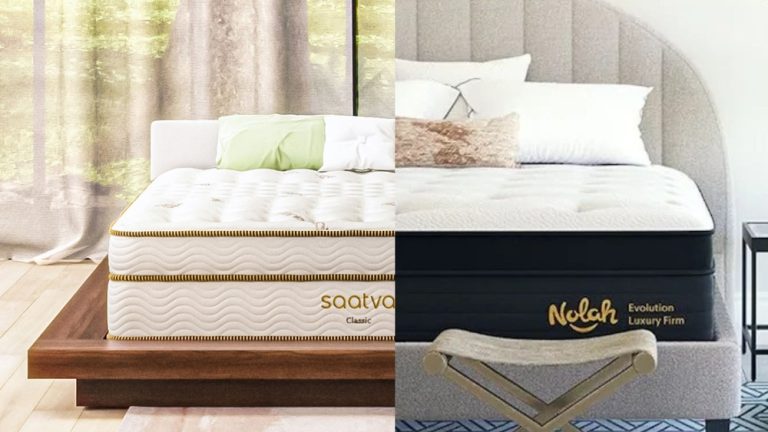
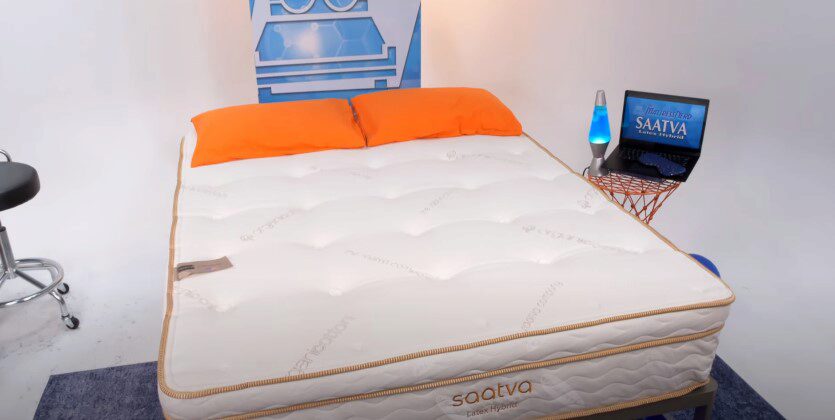
Zenhaven is a brand by Saatva, known for eco-friendly mattresses. The company started to provide natural latex mattresses with no harmful chemicals. Zenhaven mattresses use organic materials and focus on durability and comfort. Their goal is to offer a healthier sleep experience using sustainable resources.
Credit: www.thesleepjudge.com
Mattress Construction
Understanding mattress construction helps you choose the right mattress. It reveals how materials and layers affect comfort and support. Dreamcloud and Zenhaven have unique builds that suit different sleepers.
Materials Used
Dreamcloud blends memory foam, latex, and coils. It uses high-density foam for support. The cover is a soft, quilted fabric for comfort. Zenhaven uses natural latex from rubber trees. Its cover is organic cotton, gentle on skin. Both brands avoid harmful chemicals.
Layer Composition
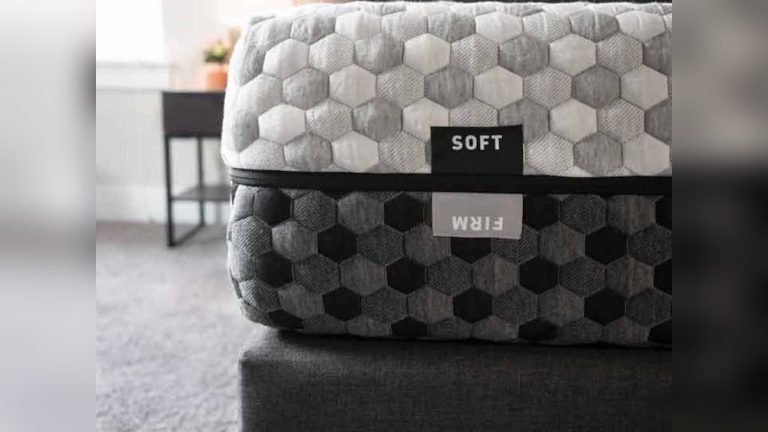
Dreamcloud has six layers. It starts with a plush pillow top. Below are memory foam and latex layers. The base is a coil system for strong support. Zenhaven has five layers of latex. Two sides offer different firmness levels. One side is soft, the other is firm.
Build Quality
Dreamcloud’s build is firm and durable. The coil system adds bounce and longevity. Zenhaven’s all-latex build is flexible and breathable. Its layers resist sagging over time. Both mattresses show strong craftsmanship and quality control.
Comfort And Support
Comfort and support are key factors in choosing a mattress. They affect how well you sleep and how your body feels in the morning. DreamCloud and Zenhaven offer different approaches to these features. Understanding their firmness, pressure relief, and edge support helps you decide which suits you best.
Firmness Levels
DreamCloud has a medium-firm feel. It balances softness and support well. This makes it good for most sleepers. Zenhaven uses latex, which feels bouncier and more responsive. It offers two firmness options: Luxury Plush and Gentle Firm. This allows you to pick the side that fits your comfort needs.
Pressure Relief
DreamCloud’s memory foam layers contour to your body. They help reduce pressure on hips and shoulders. This is ideal for side sleepers. Zenhaven’s latex provides a more buoyant feel. It relieves pressure by pushing back gently. This works well for people who move during the night.
Edge Support
DreamCloud has reinforced edges that prevent sagging. You can sit or sleep near the edge comfortably. Zenhaven’s natural latex also offers strong edge support. It keeps the mattress stable across the entire surface. Both mattresses provide good edge support for various sleeping positions.
Credit: www.mattressnerd.com
Temperature Regulation
Temperature regulation is key for a good night’s sleep. Both Dreamcloud and Zenhaven focus on keeping sleepers comfortable. They use different materials and designs. These help to control heat and airflow. Understanding their temperature features helps you choose better.
Breathability
Dreamcloud uses a mix of foam and coils. The coils create space for air to move. This allows heat to escape easily. Its top cover is soft and breathable. It helps air flow around the body.
Zenhaven uses natural latex. Latex has tiny holes that let air pass through. This keeps the mattress fresh and cool. The organic cotton cover also adds breathability. It draws moisture away from the skin.
Cooling Technologies
Dreamcloud includes gel-infused memory foam. The gel helps absorb and spread heat. It prevents hot spots during sleep. The coil system also helps cool the mattress.
Zenhaven does not use gel. Instead, it relies on latex’s natural cooling. The latex quickly adjusts to body heat. It stays cooler through the night. The organic materials help maintain a fresh feel.
Motion Isolation And Noise
Motion isolation and noise are key factors in choosing a mattress. They affect sleep quality and partner comfort. Both DreamCloud and Zenhaven offer unique features. Understanding their performance helps make a better choice.
Movement Transfer
DreamCloud uses pocketed coils and foam layers to reduce motion transfer. This design keeps movements from spreading across the bed. It suits couples who move a lot at night. Zenhaven, made of latex, naturally absorbs motion well. Latex provides a bouncy yet isolating feel. Both mattresses limit partner disturbance effectively.
Noise Levels
DreamCloud’s coil system can create slight noise over time. New mattresses may be quieter but expect some creaking after use. Zenhaven is nearly silent due to its all-latex construction. Latex does not produce noise from pressure or movement. Quiet sleepers may prefer Zenhaven for its noise-free sleep.
Durability And Warranty
Durability and warranty are key factors when choosing a mattress. They tell you how long the mattress will last and what protection you have if problems arise. DreamCloud and Zenhaven both offer strong options. Let’s explore their durability and warranty details to help you decide which fits your needs.
Lifespan Expectations
DreamCloud mattresses usually last around 7 to 10 years. Their hybrid design helps keep the mattress supportive over time. Zenhaven mattresses, made with natural latex, often last longer—up to 12 years or more. Latex resists sagging and wears well. Both brands offer durable products, but Zenhaven has a slight edge in lifespan.
Warranty Coverage
DreamCloud offers a 10-year warranty covering defects in materials and workmanship. This warranty protects against sagging deeper than 1.5 inches. Zenhaven provides a 20-year warranty, also covering defects and sagging beyond 1.5 inches. Zenhaven’s longer warranty gives extra peace of mind. Both require proper mattress care to keep the warranty valid.
Pricing And Value
Price plays a big role in choosing between Dreamcloud and Zenhaven mattresses. Both brands offer quality products but at different price points. Understanding their cost and value helps buyers decide which mattress fits their budget and needs.
Cost Comparison
Dreamcloud mattresses usually cost less than Zenhaven models. Dreamcloud offers hybrid mattresses with a price range that suits many budgets. Zenhaven, made with natural latex, tends to be pricier. This reflects the use of organic materials and handcrafted design. Dreamcloud gives more affordable luxury. Zenhaven focuses on eco-friendly and durable options. The choice depends on how much you want to spend and what features matter most.
Trial Period And Return Policy
Dreamcloud offers a 365-night trial, allowing plenty of time to test the mattress. Returns are free and easy during this period. Zenhaven provides a 120-night trial. This shorter trial still offers a fair chance to try the mattress at home. Both brands accept returns but have different policies on shipping costs. Dreamcloud covers return shipping. Zenhaven may ask customers to pay return fees. Trial length and return ease are key factors in value.
User Feedback
User feedback offers real insights into DreamCloud and Zenhaven mattresses. Reviews help us understand how these beds perform in daily use. Customers share their honest experiences, which guide new buyers in their choice.
Customer Reviews
DreamCloud customers often praise the mattress for its comfort and support. Many say it helps with back pain and improves sleep quality. Zenhaven users highlight the natural materials and firmness options. Both brands get high marks for durability and overall satisfaction.
Common Complaints
Some DreamCloud buyers mention the mattress feels too firm at first. Others find the edge support weaker than expected. Zenhaven users sometimes report a strong initial odor. A few say the mattress is too soft for their taste. These issues usually fade after a few days or weeks.
Positive Highlights
DreamCloud stands out for its hybrid design and pressure relief. Customers enjoy the plush top and solid bounce. Zenhaven is praised for its eco-friendly latex and reversible firmness. Many sleepers love how cool it stays at night. Both mattresses receive compliments for good motion isolation.
Best Use Cases
Choosing between DreamCloud and Zenhaven depends on your specific needs. Both mattresses offer distinct benefits. Knowing their best use cases helps you pick the right one. This section highlights ideal sleep positions and body types suited for each mattress.
Ideal Sleep Positions
DreamCloud suits back and side sleepers well. Its hybrid design provides good support and pressure relief. The mattress balances firmness and softness. It helps keep the spine aligned during sleep.
Zenhaven fits stomach and back sleepers best. It is made from natural latex, offering a responsive and buoyant feel. The mattress adapts quickly to movement. It helps reduce pressure on hips and shoulders.
Suitability For Different Body Types
DreamCloud works well for average to heavy body types. Its layered construction supports heavier weights without sagging. The mattress absorbs motion, which is great for couples.
Zenhaven is ideal for light to average body weights. The latex material provides consistent support. It maintains comfort without feeling too firm or too soft.
Credit: www.sleepadvisor.org
Frequently Asked Questions
What Are The Key Differences Between Dreamcloud And Zenhaven?
Dreamcloud offers hybrid mattresses with memory foam and coils. Zenhaven provides all-natural latex mattresses. Dreamcloud focuses on pressure relief and support. Zenhaven emphasizes eco-friendly, breathable materials. Both target different sleepers’ preferences and comfort needs.
Which Mattress Is Better For Back Pain, Dreamcloud Or Zenhaven?
Dreamcloud’s hybrid design offers excellent support for back pain. Zenhaven’s latex contours gently, relieving pressure points. For firm support, Dreamcloud is preferred. For natural, responsive comfort, Zenhaven excels. Choose based on your preferred firmness and pain relief needs.
Are Dreamcloud And Zenhaven Suitable For Side Sleepers?
Yes, both mattresses accommodate side sleepers well. Dreamcloud’s memory foam layer cushions shoulders and hips. Zenhaven’s latex adapts to body curves, reducing pressure. Side sleepers seeking softness might prefer Zenhaven. Those needing extra contouring may lean towards Dreamcloud.
How Durable Are Dreamcloud And Zenhaven Mattresses?
Dreamcloud’s hybrid design typically lasts 7-10 years with proper care. Zenhaven’s natural latex is highly durable, often exceeding 10 years. Latex resists sagging and wear better than foam. Both brands offer strong warranties, reflecting confidence in their longevity.
Conclusion
Choosing between DreamCloud and Zenhaven depends on your sleep needs. DreamCloud offers strong support with a plush feel. Zenhaven provides natural latex for a cooler, bouncier rest. Both mattresses have good durability and comfort. Think about your preferred firmness and materials.
Budget and warranty also matter in your decision. Take time to read reviews and try if possible. Quality sleep comes from the mattress that suits you best. Make a choice that helps you wake up refreshed daily.