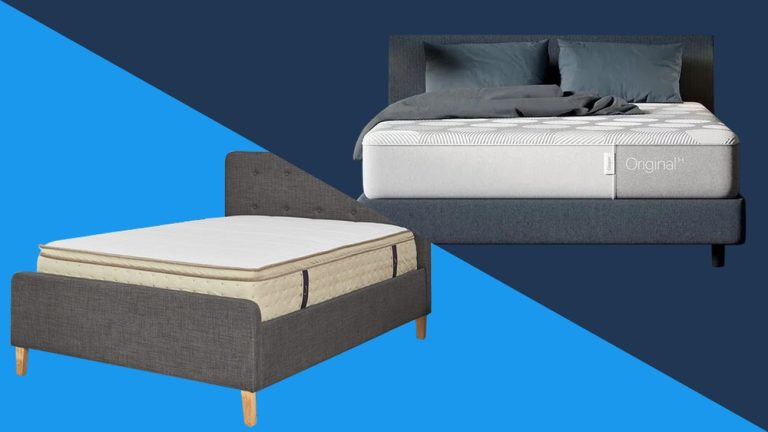
Puffy Vs Nest: Ultimate Mattress Showdown for Perfect Sleep
Choosing the perfect mattress can be overwhelming, especially when you’re stuck between two popular options like Puffy and Nest. You want a mattress that gives you comfort, support, and a good night’s sleep—but which one truly delivers?
You’ll discover the key differences that matter most to your sleep quality. By the end, you’ll feel confident about which mattress fits your needs best. Keep reading to find out how Puffy and Nest stack up against each other and what makes one the better choice for you.

Credit: cairocommunity.com
Puffy Mattress Features
The Puffy mattress offers several features that make it a strong choice for many sleepers. It blends comfort, support, and cooling to create a balanced sleep experience. Each feature works to meet different sleep needs and preferences.
Understanding these features helps in deciding if Puffy suits your sleep style.
Material Composition
Puffy mattresses use multiple layers of foam to provide comfort and support. The top layer is a soft memory foam that adapts to the body. Below it, a firmer foam layer adds support to keep the spine aligned. The base layer is dense foam for durability and stability. All materials are CertiPUR-US certified, ensuring they are safe and free from harmful chemicals.
Comfort Levels
The mattress offers a medium-plush feel, suitable for side and back sleepers. It cushions pressure points like hips and shoulders. The memory foam layers provide gentle contouring without sinking too deep. This balance helps reduce tossing and turning during the night. It feels soft but still supportive enough for most body types.
Temperature Regulation
Puffy uses cooling gel foam to help manage heat. The gel absorbs and disperses body heat away from the sleeper. The breathable foam layers also promote airflow. This helps prevent overheating through the night. The mattress stays cooler than traditional memory foam models.
Motion Isolation
The foam layers absorb movement well. This means less motion transfer when a partner moves. It helps maintain undisturbed sleep for couples. The mattress isolates motion better than innerspring beds. Light sleepers benefit from this feature greatly.
Edge Support
Puffy includes reinforced edges to prevent sagging. This allows for more usable sleep surface near the sides. It supports sitting or sleeping close to the edge without feeling unstable. Strong edge support also adds to the mattress’s overall durability.
Credit: www.roomstogo.com
Nest Mattress Features
The Nest mattress offers unique features designed for comfort and support. It blends materials and design to suit different sleep styles. Understanding these features helps you decide if Nest fits your needs.
Material Composition
The Nest mattress uses multiple layers of foam. The top layer is soft memory foam for pressure relief. Below that is a supportive foam base that holds shape. All materials are CertiPUR-US certified, ensuring safety and durability.
Comfort Levels
It provides medium-firm comfort suitable for most sleepers. The mattress balances softness and support well. Side sleepers and back sleepers find it comfortable. It adapts to body shape without feeling too soft or hard.
Temperature Regulation
The Nest mattress includes cooling gel in the memory foam. This gel helps reduce heat buildup during sleep. The cover is breathable to improve airflow. Together, these features keep the mattress cool and fresh.
Motion Isolation
Memory foam layers absorb movement effectively. This reduces disturbance when sharing the bed. Light sleepers benefit from less motion transfer. Overall, it offers a quiet and stable sleeping surface.
Edge Support
The mattress has reinforced edges to prevent sagging. It allows you to sit or sleep near edges comfortably. Strong edge support increases usable sleeping space. This feature adds to overall mattress durability and comfort.
Comparing Comfort And Support
Comfort and support are key when choosing a mattress. Puffy and Nest offer different features to meet these needs. Understanding how they compare helps you pick the right fit for better sleep.
This section breaks down their firmness options, pressure relief, and spinal alignment benefits.
Firmness Options
Puffy offers a medium-firm feel that suits most sleepers. It balances softness and support well.
Nest provides more firmness choices. You can select soft, medium, or firm levels. This suits different sleep preferences.
Both brands aim to match your comfort needs, but Nest gives more variety.
Pressure Relief
Puffy uses memory foam to ease pressure on hips and shoulders. This helps reduce tossing and turning.
Nest also uses foam layers designed to contour the body. It offers good pressure relief for side and back sleepers.
Both mattresses help relieve pressure, but Puffy feels slightly softer.
Spinal Alignment
Puffy supports natural spinal curves with zoned foam layers. This helps keep your spine aligned during sleep.
Nest focuses on strong edge support and firmness to maintain spine health. It supports heavier sleepers well.
Each mattress promotes healthy spinal alignment, but their methods differ.
Durability And Warranty
Durability and warranty are key factors in choosing the right mattress. They affect how long the mattress will last and how much protection you get. Both Puffy and Nest focus on these areas to offer good value.
Material Longevity
Puffy mattresses use high-density foam designed to hold its shape for years. The foam is resistant to sagging and body impressions. Nest offers mattresses with a mix of foam and coils. This combo helps maintain firmness and comfort over time. Both brands use quality materials that support long-term use.
Warranty Coverage
Puffy provides a 10-year warranty covering defects and significant sagging. It protects your purchase from early wear problems. Nest offers a similar 10-year warranty with coverage for manufacturing faults. Both warranties give peace of mind and protect your investment.
Trial Periods
Puffy allows a 101-night trial. You can test the mattress at home and return it if unsatisfied. Nest offers a 100-night trial, almost the same length. Both trials give enough time to decide if the mattress fits your needs.
Pricing And Value
Understanding the pricing and value of Puffy and Nest mattresses helps buyers make smart choices. Both brands offer quality products but differ in price and what you get for your money. This section breaks down costs, deals, and long-term benefits.
Cost Comparison
Puffy mattresses start at a mid-range price point. Nest offers several models, ranging from budget to premium. Puffy focuses on foam mattresses, while Nest includes hybrid options. The price depends on size and features. Puffy’s base model is usually less expensive than Nest’s high-end mattresses.
Discounts And Offers
Both brands offer regular discounts to attract customers. Puffy often provides seasonal sales and bundle deals. Nest offers promo codes and holiday discounts. Signing up for newsletters can give access to special offers. Checking each brand’s website helps find current deals.
Long-term Value
Puffy mattresses have good durability and come with a generous warranty. Nest mattresses also last long and include trial periods for testing. Both brands focus on customer satisfaction and support. Investing in a mattress from either brand can lead to better sleep and comfort over time.

Credit: roofnest.com
Customer Feedback
Customer feedback reveals what real users think about Puffy and Nest mattresses. Reviews help understand strengths and weaknesses. They show how each brand meets comfort and support needs.
Reading reviews gives insight into sleep quality and durability. It helps potential buyers decide which mattress suits them best.
Positive Reviews
Many Puffy users praise its softness and pressure relief. They say it helps reduce back pain quickly. The mattress adjusts well to body shape.
Nest customers like the firm support and cooling features. They enjoy a comfortable, cool sleep throughout the night. Many say it improves their sleep quality.
Common Complaints
Some Puffy users find it too soft for side sleeping. A few mention a slight odor at first use. The mattress can feel warm in hot weather.
Nest buyers sometimes report it feels too firm. Some say it takes time to get used to the feel. A small number find the edges less supportive.
Overall Satisfaction
Most Puffy customers are happy with comfort and pain relief. They recommend it for those needing pressure support.
Nest users appreciate firm support and cooling properties. They feel it offers good value and durability.
Both brands have loyal fans. Choice depends on personal sleep preferences and needs.
Which Mattress Suits Your Sleep Style
Choosing the right mattress depends on your sleep style. Each style needs different support and comfort. Puffy and Nest mattresses offer unique features for various sleepers. Understanding these can help you pick a mattress that fits your needs.
Mattresses affect how well you rest and how you feel in the morning. Knowing which mattress suits your sleep style leads to better nights. Let’s explore Puffy and Nest mattresses for side, back, and stomach sleepers.
Side Sleepers
Side sleepers need a mattress that cushions shoulders and hips. Puffy offers a soft, plush feel that relieves pressure points. Nest mattresses provide a balance of softness and support. Puffy’s memory foam adapts to curves, easing pain. Nest supports alignment but feels slightly firmer. Both help keep the spine straight for side sleepers.
Back Sleepers
Back sleepers require firm support to keep their spine aligned. Nest mattresses are firmer, offering strong back support. Puffy is softer but still provides good support with its foam layers. Nest reduces lower back strain with its firm surface. Puffy adds comfort without losing support. Both help prevent back pain for back sleepers.
Stomach Sleepers
Stomach sleepers need a firm mattress to avoid sinking too deep. Nest’s firmer feel keeps the body on top of the mattress. Puffy is softer, which may cause the hips to sink. This can strain the neck and back. Nest helps keep the spine flat and supported for stomach sleepers. Puffy is less ideal but may work for those who prefer softness.
Frequently Asked Questions
What Are The Main Differences Between Puffy And Nest Mattresses?
Puffy mattresses focus on pressure relief with memory foam. Nest offers customizable firmness and natural materials. Puffy suits side sleepers, Nest fits back sleepers better. Both provide excellent support but differ in feel and materials.
Which Mattress Is Better For Back Pain: Puffy Or Nest?
Puffy is ideal for back pain due to its contouring memory foam. Nest’s firmer options also support spinal alignment well. Choosing depends on your preferred firmness and sleeping position for optimal relief.
How Does Puffy Mattress Pricing Compare To Nest?
Puffy mattresses are generally more affordable with frequent discounts. Nest mattresses tend to be pricier due to premium materials and customization. Budget and feature preferences influence the best value choice.
Are Puffy And Nest Mattresses Good For Couples?
Both mattresses reduce motion transfer, suitable for couples. Puffy’s softer feel may suit lighter sleepers. Nest offers firmer options for mixed preferences. Consider firmness and sleep styles when choosing for couples.
Conclusion
Both Puffy and Nest offer good comfort and support. Puffy excels in memory foam feel and pressure relief. Nest stands out with customizable firmness options. Your choice depends on your sleep style and budget. Consider what matters most for restful nights.
Either mattress can help improve your sleep quality. Take time to decide carefully for better rest. Sweet dreams start with the right mattress choice.