
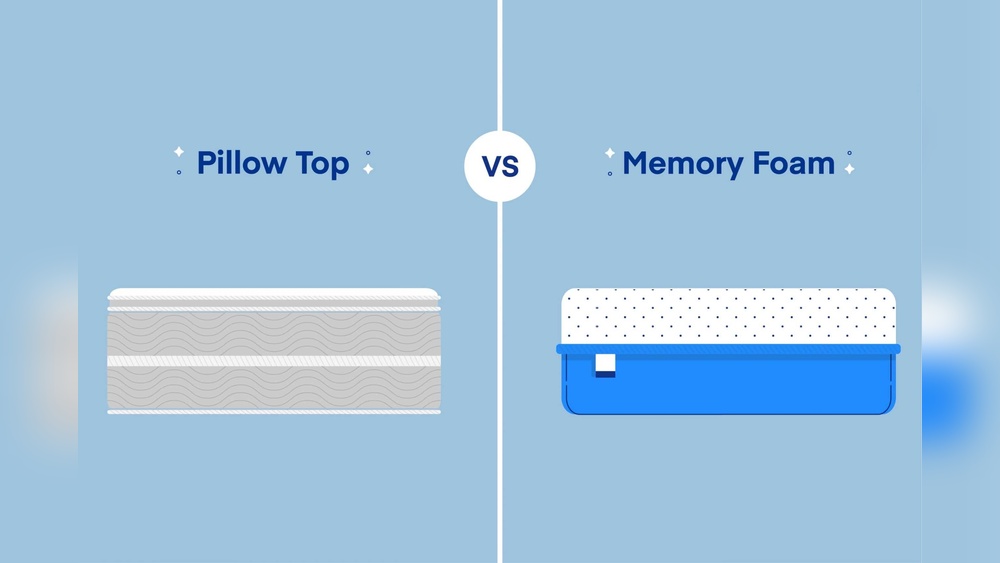
Pillow Top Vs Memory Foam: Ultimate Comfort Showdown Revealed
When it comes to choosing the perfect mattress, you might find yourself torn between pillow top and memory foam options. Which one will give you the best comfort and support for a great night’s sleep?
Understanding the key differences can make all the difference in how rested and refreshed you feel every morning. You’ll discover how pillow top and memory foam mattresses affect your body, sleep quality, and overall comfort. By the end, you’ll be ready to pick the mattress that fits your unique needs perfectly.
Keep reading to unlock the secret to your best sleep ever.
Pillow Top Basics
A pillow top mattress offers an extra layer of softness on top of the main mattress. It feels like sleeping on a cloud. This layer is sewn to the mattress and adds cushioning. Many people choose pillow tops for a cozy sleep experience.
Material And Construction
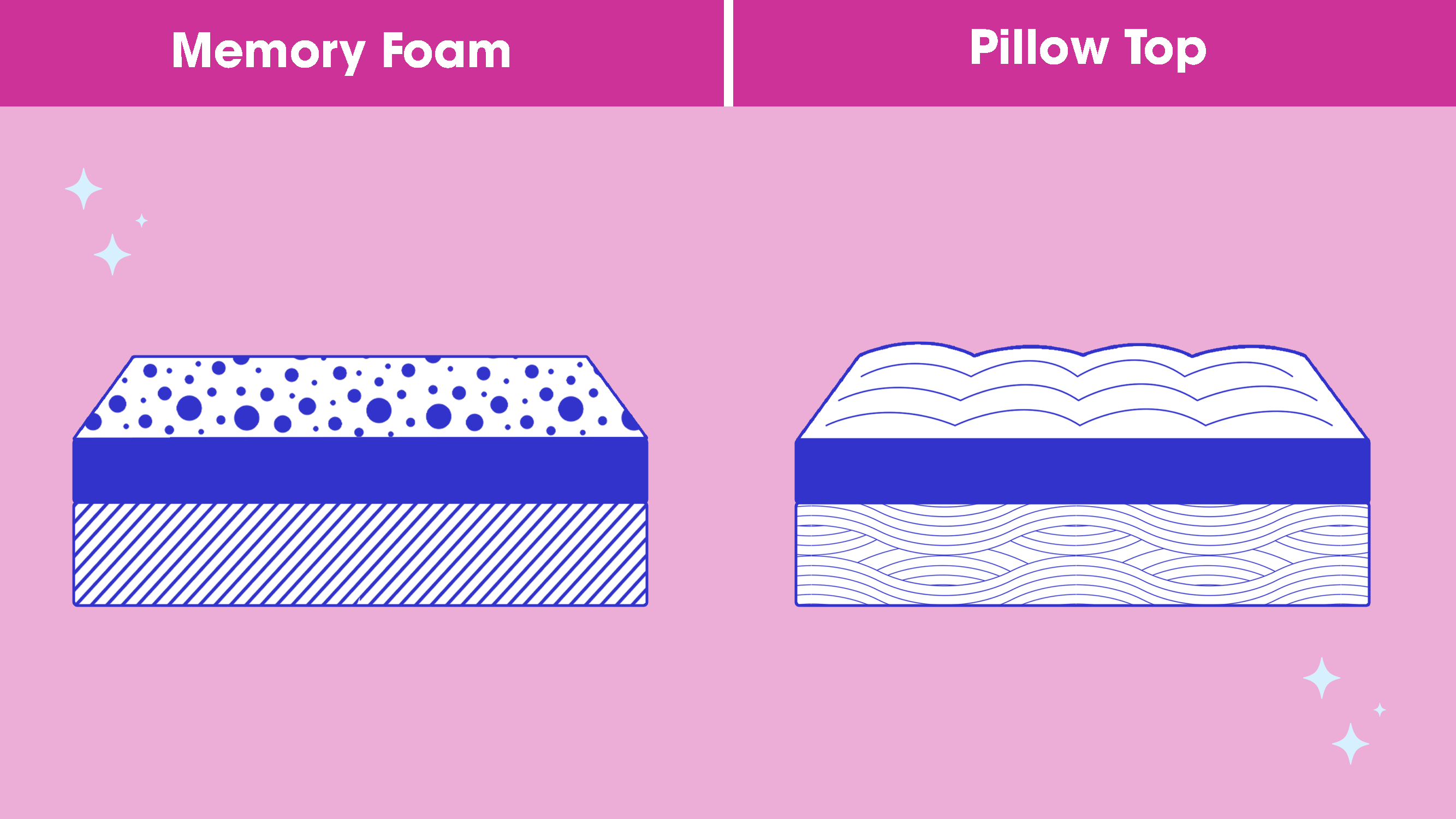
Pillow tops usually have foam, fiberfill, or down inside. These materials create a soft, plush surface. The top layer is stitched over the mattress cover. It adds extra height and padding. The main mattress underneath supports the body.
Comfort And Support
The pillow top provides gentle comfort and a plush feel. It cushions pressure points like shoulders and hips. The support depends on the mattress below. Pillow tops are softer but may not support heavy bodies well. Ideal for side sleepers who want softness.
Durability And Maintenance
Pillow tops can flatten over time with regular use. They may lose their softness after a few years. Rotating the mattress helps keep it even. Some pillow tops are not removable, making cleaning harder. Use a mattress protector to reduce stains and wear.
Memory Foam Essentials
Memory foam is a popular choice for mattresses and pillows. It offers unique comfort and support. Understanding its basics helps you choose the right mattress for better sleep.
This section explains how memory foam works, its pressure relief benefits, and cooling features.
How Memory Foam Works
Memory foam molds to your body shape. It reacts to heat and pressure, softening where you lie. This creates a custom fit that supports your body evenly. It helps reduce movement transfer, so you feel less disturbance from a partner.
Pressure Relief And Contouring
Memory foam eases pressure on joints and muscles. It spreads your weight evenly across the surface. This reduces pain and stiffness in sensitive areas. The foam contours closely to your curves, giving support where needed most.
Heat Retention And Cooling Features
Traditional memory foam holds heat, which can feel uncomfortable. Newer versions include cooling gels and open-cell designs. These features improve airflow and reduce heat buildup. The result is a cooler, more comfortable sleep environment.
Comparing Comfort Levels
Comfort is key when choosing between pillow top and memory foam mattresses. Each offers a unique feel that affects your sleep quality. Understanding their comfort levels helps you pick the best fit for your needs.
Softness And Firmness
Pillow top mattresses have an extra soft layer on top. This layer adds plushness and a cushioned feel. They often feel softer than memory foam.
Memory foam mattresses contour to your body. They provide firm support but still feel soft in spots. The foam molds to your shape, giving balanced comfort.
Motion Isolation
Memory foam excels at reducing motion transfer. It absorbs movement well, so you won’t feel a partner’s tosses. This makes memory foam great for light sleepers.
Pillow top mattresses absorb some motion but not as much. The soft top layer may shift more during movement. This can disturb partners during sleep.
Sleep Position Suitability
Pillow top mattresses suit side sleepers best. They offer cushioning for hips and shoulders. This helps reduce pressure points and improves comfort.
Memory foam works well for all sleep positions. It supports back, side, and stomach sleepers alike. The foam adapts to your body’s curves gently.
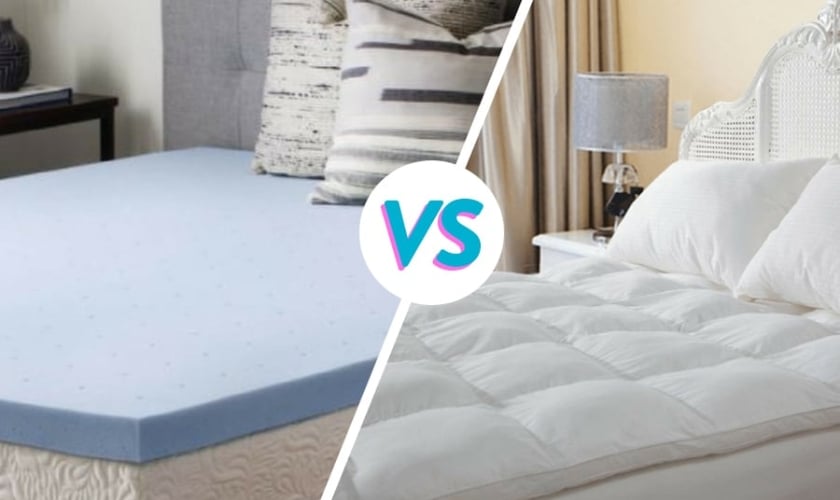
Credit: www.mattressnwa.com
Health And Allergy Considerations
Choosing the right mattress affects more than comfort. Health and allergy factors play a big role in this decision. Both pillow top and memory foam mattresses offer different benefits and challenges. Understanding these can help maintain good sleep quality and overall health.
Hypoallergenic Properties
Memory foam is naturally resistant to dust mites. It does not easily collect allergens like pillow tops can. Pillow tops often use soft fabrics that trap dust and pet dander. This can cause problems for allergy sufferers. Memory foam mattresses reduce the risk of allergic reactions. They provide a cleaner sleep environment.
Support For Back And Joints
Memory foam molds to the body shape. It offers firm support to the spine and joints. This helps reduce pressure points and pain. Pillow tops add softness but may not give enough support. They can cause misalignment in some cases. Memory foam is better for people with back pain or joint issues.
Breathability And Airflow
Pillow tops allow more air circulation due to their soft layers. This helps keep the mattress cool during sleep. Memory foam tends to trap heat because of its density. Newer memory foam designs include cooling technology. Still, pillow tops generally offer better airflow. Good breathability reduces sweating and improves comfort.
Cost And Longevity
Understanding the cost and longevity of pillow top and memory foam mattresses helps you make a better choice. These factors affect your budget and how long your mattress stays comfortable. Let’s explore the price differences, how long each type lasts, and their warranty and return policies.
Price Range Comparison
Pillow top mattresses usually cost less than memory foam. Prices vary by brand and quality. Basic pillow tops start around $300. High-end models can reach $1,000 or more. Memory foam mattresses start at about $500. Premium memory foam can cost over $1,500. The price reflects the material and technology used.
Lifespan Expectations
Pillow top mattresses last about 5 to 7 years. The soft top layer may wear out faster. Memory foam mattresses can last 8 to 10 years or longer. They keep their shape better over time. Proper care extends both types’ lifespan. Rotating the mattress helps prevent sagging.
Warranty And Return Policies
Most pillow top mattresses offer a warranty of 5 to 10 years. Memory foam often comes with longer warranties, sometimes up to 15 years. Check what the warranty covers, like sagging or defects. Return policies vary by seller and brand. Some allow a trial period of 30 to 100 nights. Always read the fine print before buying.
Credit: legitedumaupas.com
Choosing The Right Mattress
Choosing the right mattress can change how well you sleep every night. Your mattress affects comfort, support, and how refreshed you feel. Pillow top and memory foam mattresses offer different benefits. Knowing your needs helps pick the best option for you.
Consider factors like how you like to sleep, the room temperature, and your budget. These points guide your choice and ensure better rest.
Personal Sleep Preferences
Think about how you like to lie down. Pillow top mattresses feel soft and plush on top. They offer gentle cushioning and a classic mattress feel. Memory foam molds to your body shape. It gives firm support and reduces pressure points. Choose the one that matches your comfort style and sleeping position.
Room Temperature And Climate
Room temperature impacts how a mattress feels. Pillow tops usually allow better air flow. They stay cooler in warm rooms. Memory foam tends to trap heat and may feel warmer. In cold climates, memory foam can feel cozy. Pick a mattress that suits your climate for better comfort.
Budget And Value
Pillow top mattresses often cost less upfront. They give good comfort for a lower price. Memory foam mattresses may cost more but last longer. They also offer better pressure relief. Consider how long you want the mattress to last. Balance cost with the value you get for your money.
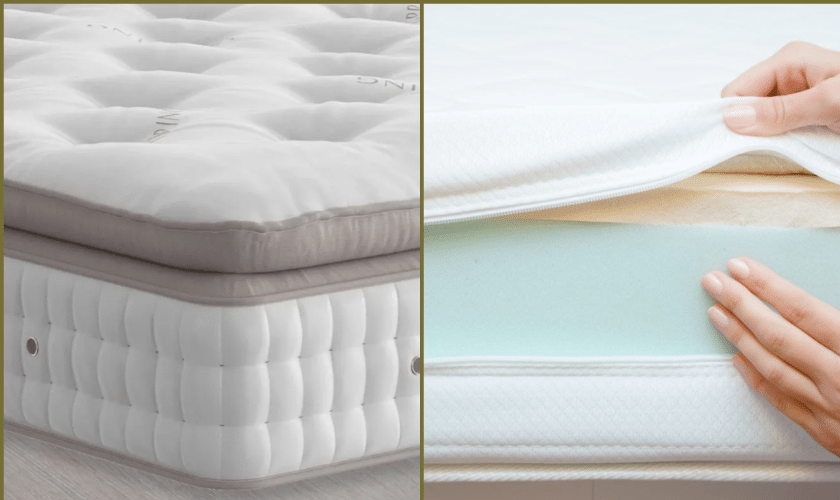
Credit: www.mattressnwa.com
Frequently Asked Questions
What Is The Main Difference Between Pillow Top And Memory Foam?
Pillow top mattresses feature a soft, stuffed layer sewn on top. Memory foam molds to your body shape, providing pressure relief and support. Pillow tops offer plush comfort, while memory foam excels in contouring and motion isolation.
Which Mattress Type Is Better For Back Pain Relief?
Memory foam is generally better for back pain. It supports spinal alignment by contouring to your body. Pillow tops offer softness but may lack firm support, which is important for reducing back pain.
How Do Pillow Top And Memory Foam Affect Mattress Durability?
Memory foam mattresses usually last longer due to dense, resilient materials. Pillow tops may compress and wear out faster, leading to sagging. Proper care can extend both, but memory foam typically offers better long-term durability.
Are Pillow Top Or Memory Foam Mattresses Better For Hot Sleepers?
Pillow tops often have better airflow, keeping sleepers cooler. Memory foam tends to retain heat, but some use cooling gel layers. Hot sleepers may prefer pillow tops or gel-infused memory foam for temperature regulation.
Conclusion
Choosing between pillow top and memory foam depends on your comfort needs. Pillow tops offer soft, cushy support with a classic feel. Memory foam molds to your body, easing pressure points. Both types improve sleep quality but in different ways.
Think about your sleeping style and pain areas. Test each mattress if possible before buying. Sleep well matters most, so pick what feels right. Your best rest starts with the right mattress choice.