Feather Pillow Vs Foam Pillow: Ultimate Comfort Showdown
Choosing the right pillow can change the way you sleep—and feel—every single night. You might be wondering whether a feather pillow or a foam pillow suits you better.
Both have their fans, but which one matches your sleep style and comfort needs? By understanding the key differences, you’ll discover which pillow supports your head and neck just right, helps you wake up refreshed, and even boosts your overall sleep quality.
Keep reading to find out how to pick the perfect pillow for your best night’s rest.

Credit: www.memoryfoamwarehouse.co.uk
Feather Pillow Basics
Feather pillows have been a popular choice for many sleepers. They offer a unique feel and different benefits compared to foam pillows. Understanding the basics of feather pillows helps you decide if they suit your sleeping needs. This section explains their material, comfort, support, and care.
Material Composition
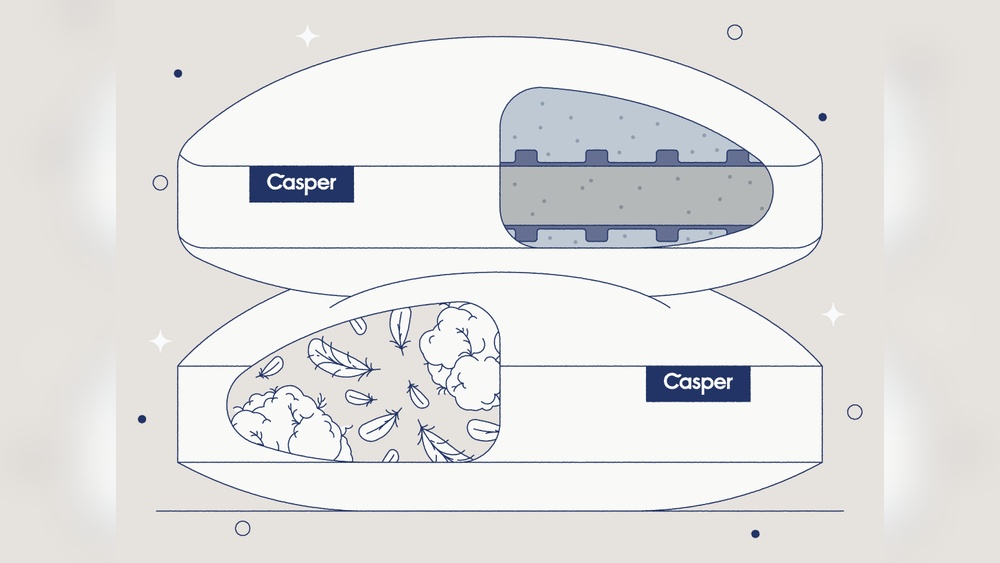
Feather pillows are filled with the feathers of ducks or geese. These feathers come from the bird’s undercoat, which is soft and light. Sometimes, small quills are mixed with the feathers to add shape. The pillow cover is usually made of cotton or a cotton blend. This allows air to flow and keeps the pillow cool.
Comfort And Support
Feather pillows feel soft and plush. They mold to the shape of your head and neck. This helps reduce pressure points. The feathers provide gentle support but can flatten over time. You can fluff the pillow to keep its shape. Feather pillows suit those who like a soft, cozy feel during sleep.
Durability And Maintenance
Feather pillows can last several years with proper care. They need regular fluffing to stay fluffy and supportive. Washing feather pillows requires gentle handling and special detergent. Avoid machine drying, as heat can damage feathers. Using a pillow protector helps keep dust and dirt away. Proper care keeps the pillow fresh and extends its life.
Foam Pillow Essentials
Foam pillows offer unique benefits for a good night’s sleep. They adapt to your head and neck shape, giving steady support. Many people choose foam pillows for their comfort and durability. Understanding the essentials helps to pick the right foam pillow for you.
Types Of Foam
Memory foam is soft and molds to your body. It relieves pressure points and supports the spine. Latex foam is bouncy and more breathable. It resists dust mites and molds well to your neck. Polyfoam is lighter and less dense. It costs less but may wear out faster. Each type suits different sleep needs and budgets.
Comfort And Support
Foam pillows offer firm support that keeps your neck aligned. They reduce tossing and turning during the night. Memory foam softens with body heat, feeling cozy. Latex foam stays cool and offers gentle bounce. Choose firmness based on your sleep position. Side sleepers often need firmer pillows. Back sleepers prefer medium support. Stomach sleepers benefit from softer foam.
Durability And Maintenance
Foam pillows last longer than many other types. Memory foam can hold shape for years. Latex foam resists wear and stays springy. Polyfoam tends to flatten sooner. Foam pillows need less fluffing to keep form. Use a pillow cover to protect from sweat and dust. Air pillows regularly to keep them fresh. Avoid washing foam in machines to prevent damage.
Comfort Comparison
Choosing the right pillow affects your sleep quality deeply. Comfort plays a big role in this choice. Feather and foam pillows offer different comfort features. Understanding these can help you find your best fit.
Pressure Relief
Foam pillows mold to your head and neck shape. They provide good support and reduce pressure points. Feather pillows feel softer and more flexible. They may not support as evenly but offer gentle cushioning.
Temperature Regulation
Feather pillows allow air to move freely. This helps keep you cool during sleep. Foam pillows can trap heat, making some people feel warm. Some foam pillows use cooling technology to fix this issue.
Allergy Considerations
Feather pillows may cause allergies for sensitive people. Dust mites and feathers can trigger reactions. Foam pillows are usually hypoallergenic and resist dust mites well. Choose foam if allergies are a concern.
Support And Health Benefits
Choosing the right pillow affects your health and comfort. Support matters for a good night’s rest. Feather and foam pillows offer different benefits. Understanding their support and health effects helps you decide.
Spinal Alignment
Foam pillows hold their shape well. They support your neck and head evenly. This helps keep your spine straight. Feather pillows are softer and more flexible. They may not keep your spine aligned as well. Good spinal alignment reduces strain on your back.
Pain Relief
Foam pillows can relieve neck and shoulder pain. Their firm support eases muscle tension. Feather pillows provide gentle cushioning. They may not offer enough firmness to reduce pain. People with chronic pain often prefer foam for better support.
Sleep Quality
Foam pillows often improve sleep quality by reducing discomfort. They keep your head stable all night. Feather pillows feel softer and more natural. Some find them cozy, but they may need fluffing. Choosing the right pillow helps you wake up refreshed.
Durability And Longevity
Durability and longevity are key factors when choosing between feather pillows and foam pillows. Both types offer different strengths that affect how long they last. Knowing these differences helps in picking the best pillow for long-term comfort.
Wear And Tear
Feather pillows tend to flatten over time. The feathers lose their fluffiness and support. They may develop small tears in the fabric, causing feathers to escape. Foam pillows resist flattening better. Their structure keeps its shape longer. However, foam can develop cracks or become brittle after years of use. The quality of foam affects how well it handles daily wear. High-density foam lasts longer than low-density types.
Maintenance Tips
Feather pillows need regular fluffing to keep their shape. Air them out to prevent moisture buildup. Washing feather pillows requires gentle care to avoid damage. Foam pillows should be spot cleaned, not soaked. Avoid direct sunlight to prevent foam breakdown. Using pillow covers protects both types from dirt and sweat. Rotating pillows helps distribute wear evenly. Proper care extends the life of any pillow.
Credit: www.centraloceans.com
Cost And Value
Choosing between a feather pillow and a foam pillow often depends on cost and value. Both types offer unique benefits, but prices and durability vary. Understanding these factors helps you make a smart purchase that fits your budget and comfort needs.
Price Range
Feather pillows usually cost less upfront. Basic models start at a low price. High-quality feather pillows can be more expensive but remain affordable.
Foam pillows tend to have a higher starting price. Memory foam or gel foam options raise the cost. These pillows offer special support features that affect the price.
Long-term Investment
Feather pillows may need replacing every few years. Feathers can flatten or lose shape over time. Proper care can extend their life, but wear is common.
Foam pillows last longer. They keep their shape and support for many years. This durability can save money in the long run, despite the higher initial cost.
Choosing The Right Pillow
Choosing the right pillow is key for a good night’s sleep. It helps your neck and head stay comfortable. The pillow you pick affects how well you rest and wake up feeling fresh.
Feather and foam pillows each have strong points. Knowing how they fit your needs makes picking easier. Think about how you sleep, what you like, and any allergies you have.
Sleep Position Considerations
Side sleepers often need firmer support. Foam pillows keep the neck aligned well. Back sleepers may like medium support. Feather pillows adjust easily to the head shape. Stomach sleepers want soft, thin pillows. Feather pillows can be flattened to fit.
Personal Preferences
Some enjoy the soft, plush feel of feathers. Others prefer the firm, steady shape of foam. Foam pillows keep their form longer. Feather pillows offer a lighter, fluffier touch. Choose what feels best for your comfort.
Allergy And Sensitivity
Feather pillows can cause allergies for some people. Dust mites and feathers may trigger sneezing or itching. Foam pillows are usually hypoallergenic. They resist dust mites better. Check your sensitivity before choosing a pillow type.
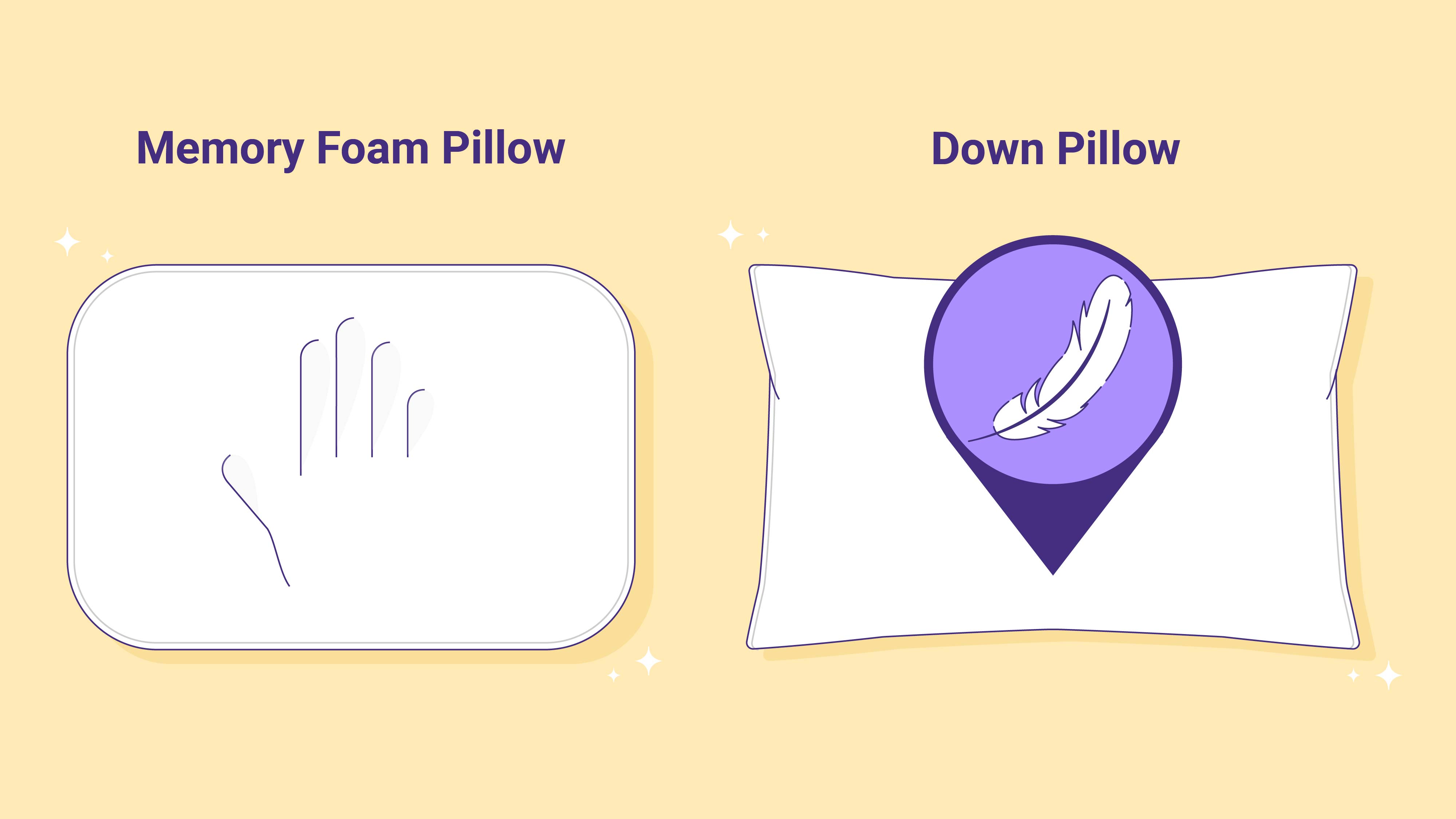
Credit: www.hydstm.com
Frequently Asked Questions
What Are The Main Differences Between Feather And Foam Pillows?
Feather pillows offer softness and natural breathability. Foam pillows provide firm support and contour to your head. Feather pillows are lightweight but may require fluffing. Foam pillows retain shape and reduce pressure points for better spinal alignment.
Which Pillow Type Is Better For Neck Pain Relief?
Foam pillows are generally better for neck pain. They contour to your neck and head, providing targeted support. Feather pillows are softer but may lack consistent support for proper neck alignment. Memory foam options are ideal for therapeutic use.
Are Feather Pillows Hypoallergenic Compared To Foam Pillows?
Feather pillows are less hypoallergenic and may trigger allergies in sensitive individuals. Foam pillows, especially memory foam, tend to resist dust mites and allergens. Choose hypoallergenic covers to reduce allergy risks regardless of pillow type.
How Do Feather And Foam Pillows Differ In Durability?
Foam pillows usually last longer, maintaining shape for several years. Feather pillows can flatten over time and require regular fluffing. Proper care extends the life of both, but foam generally offers superior long-term durability.
Conclusion
Choosing between feather and foam pillows depends on personal comfort needs. Feather pillows offer softness and good airflow. Foam pillows provide firm support and shape retention. Think about your sleeping style and allergies. Both types have pros and cons to weigh.
Try them out to find your best fit. Sleep well starts with the right pillow choice.