Cpap Nasal Cushion Vs Pillow: Ultimate Comfort and Fit Showdown
Choosing the right CPAP mask can make all the difference in how comfortable your sleep therapy feels. If you’ve been wondering whether a nasal cushion or a pillow mask suits you better, you’re not alone.
Your comfort, breathing ease, and even how well you stick to therapy depend heavily on this choice. You’ll discover the key differences between CPAP nasal cushions and pillow masks, helping you make a decision that fits your needs perfectly. Keep reading to find out which option could transform your nights and boost your sleep quality.

Credit: www.thecpapshop.com
Nasal Cushion Basics
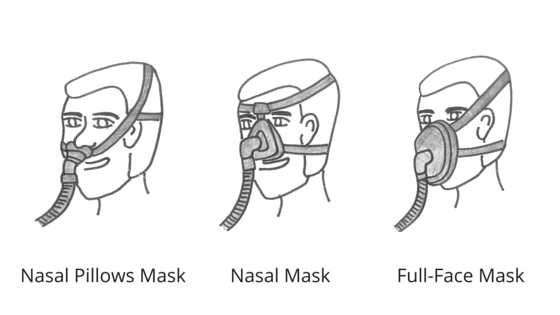
The nasal cushion is a key part of many CPAP masks. It touches the skin around your nose. It helps deliver air comfortably for better sleep. Understanding the basics of nasal cushions helps you choose the right mask.
Nasal cushions come in different shapes and sizes. Each offers a unique fit and comfort level. Knowing their design and how they work can improve your CPAP experience.
Design And Material
Nasal cushions are made from soft silicone or gel. These materials create a gentle barrier on your skin. The design often includes small openings for airflow. Some cushions are shaped like a cup, others look like small pillows. The choice affects how the mask feels during sleep.
Fit And Seal
A good fit is vital for effective therapy. The cushion should seal tightly without pressure marks. It must cover the nostrils fully to prevent air leaks. Different face shapes need different cushion sizes. Adjusting the strap helps maintain a steady seal all night.
Common User Feedback
Many users find nasal cushions comfortable and easy to clean. Some report less skin irritation than other mask types. Others mention occasional leaks if the fit is not perfect. Comfort varies by person, so trying different cushions can help. Overall, nasal cushions are popular for their light, simple design.
Credit: www.sleepdr.com
Pillow Mask Features
Pillow masks are a popular choice for CPAP users. They offer a unique design that helps many find comfort during sleep. Understanding the features of pillow masks can guide you to a better sleep experience. Their design focuses on ease and comfort, especially for those who move a lot while sleeping.
Structure And Comfort
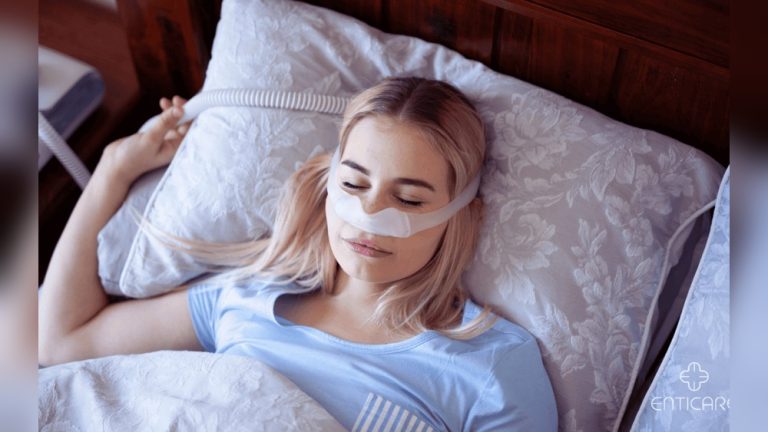
Pillow masks use soft silicone cushions that fit just inside the nostrils. This design reduces the surface area touching the face. It creates less pressure and fewer red marks on the skin. The lightweight structure feels gentle and almost weightless. Many users find this type of mask less bulky than traditional nasal cushions.
Fit And Stability
The design of pillow masks ensures a snug fit around the nose. Adjustable headgear helps keep the mask stable through the night. The mask moves with you, making it less likely to leak air. Its small size makes it easier to sleep on your side. This stability improves the quality of sleep and therapy.
User Experience Insights
Users often praise pillow masks for their comfort and freedom. They cause fewer marks and irritation than larger masks. Many report better sleep with fewer mask adjustments. Some find pillow masks easier to clean and maintain. Ideal for those with sensitive skin or nasal issues.
Comfort Comparison
Comfort plays a key role in choosing between a CPAP nasal cushion and a pillow. Both types have unique features that affect how you feel during sleep. This section compares their comfort based on pressure points, skin sensitivity, and sleeping positions.
Pressure Points
Nasal cushions rest gently on the nose bridge and around the nostrils. They spread pressure evenly, reducing discomfort in one spot. Pillow masks touch less skin and have softer edges. They avoid hard pressure on the nose but may press more on the cheeks and forehead.
Skin Sensitivity
Nasal cushions suit people with sensitive skin better. The silicone material feels soft and causes fewer marks. Pillow masks can cause redness where the frame touches the skin. Cleaning these masks regularly helps prevent irritation and keeps skin healthy.
Sleeping Positions
Nasal cushions work well for side and back sleepers. They stay stable and allow movement without much air leak. Pillow masks are good for those who move a lot or sleep on their stomach. Their design reduces mask displacement and improves comfort in different positions.
Fit And Seal Effectiveness
Fit and seal effectiveness are key for comfortable and efficient CPAP therapy. A good fit stops air leaks and keeps pressure steady. It also helps avoid skin marks and discomfort during sleep. Both nasal cushions and nasal pillows have unique designs that affect their fit and seal.
Leak Prevention
Nasal cushions cover the nose with a soft silicone mask. This creates a strong seal around the nose bridge and cheeks. It reduces air leaks better for people who move a lot in sleep. Nasal pillows fit inside the nostrils. They seal well but may leak if the pillows are too small or move out of place.
Adjustability Options
Nasal cushions often come with adjustable headgear straps. This helps users find a snug but comfortable fit. Some models offer different cushion sizes and shapes. Nasal pillows have fewer size options but are easier to adjust quickly. Their simple design allows easy placement and removal during the night.
Suitability For Different Faces
Nasal cushions suit people with larger noses or facial hair. They cover more surface area and adapt to various face shapes. Nasal pillows work well for smaller faces or those who feel claustrophobic with full masks. People with sensitive skin may prefer pillows as they touch less skin surface.
Maintenance And Durability
Maintenance and durability are important when choosing between CPAP nasal cushions and pillows. Both need regular care to keep working well and to stay comfortable. Understanding their cleaning needs, how they wear out, and how often to replace them helps you get the best from your CPAP therapy.
Cleaning Requirements
Nasal cushions need daily gentle cleaning with mild soap and water. Rinse well and let them air dry fully before use. This stops dirt and oils from building up.
Pillow masks also need daily cleaning, but their design can trap more moisture. Remove the pillows and wash them carefully, making sure no water stays inside. Dry them completely to avoid mold.
Wear And Tear
Cushions tend to wear out faster because they press directly on the nose. Silicone can become soft or cracked over time. This can cause leaks or discomfort.
Pillows usually last a bit longer. Their shape spreads pressure over a larger area. Still, they can lose shape or get sticky with use.
Replacement Frequency
Experts suggest replacing nasal cushions every 2 to 4 weeks. This keeps the seal strong and prevents skin irritation.
Pillow masks often last 1 to 3 months. Watch for signs of damage or poor fit to know when to change them.
Choosing The Right Mask
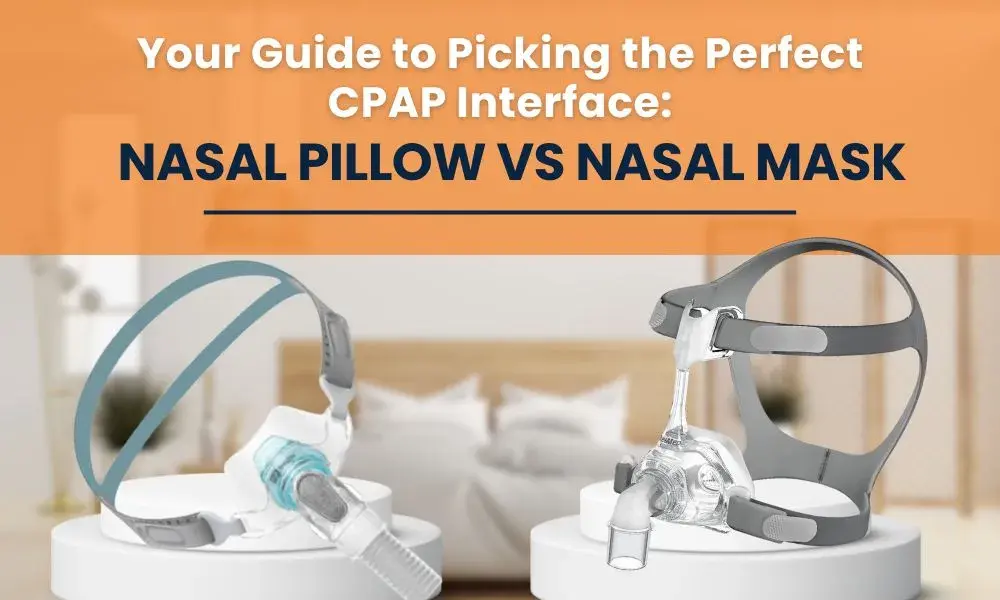
Choosing the right CPAP mask is key to a good night’s sleep. The mask must fit well and feel comfortable. It should also meet your breathing needs during sleep. Two popular options are nasal cushions and pillow masks. Each has unique features. Understanding these can help you pick the best one for you.
Lifestyle Considerations
Your daily habits affect mask choice. If you move a lot in sleep, a pillow mask may stay in place better. Nasal cushions work well for those who sleep mostly on their back. Consider your sleeping position. Also, think about how easy the mask is to clean. Some masks take longer to maintain. Choose one that fits your routine.
Medical Needs
Certain health issues influence mask choice. Nasal cushions suit people with clear nasal passages. Pillow masks help if you have nasal congestion or allergies. If you breathe through your mouth, a full-face mask might be better. Talk to your doctor about your breathing patterns. Your health conditions guide the best mask type for you.
Trial And Error Tips
Trying different masks is normal. Start with one type and see how it feels. Pay attention to leaks and pressure points. Adjust straps for a snug but gentle fit. Keep a sleep diary to track comfort and effectiveness. Don’t rush. Finding the right mask may take time. Patience improves your sleep quality in the long run.
Credit: www.rockinghamcpap.com.au
Frequently Asked Questions
What Is The Main Difference Between Nasal Cushion And Pillow?
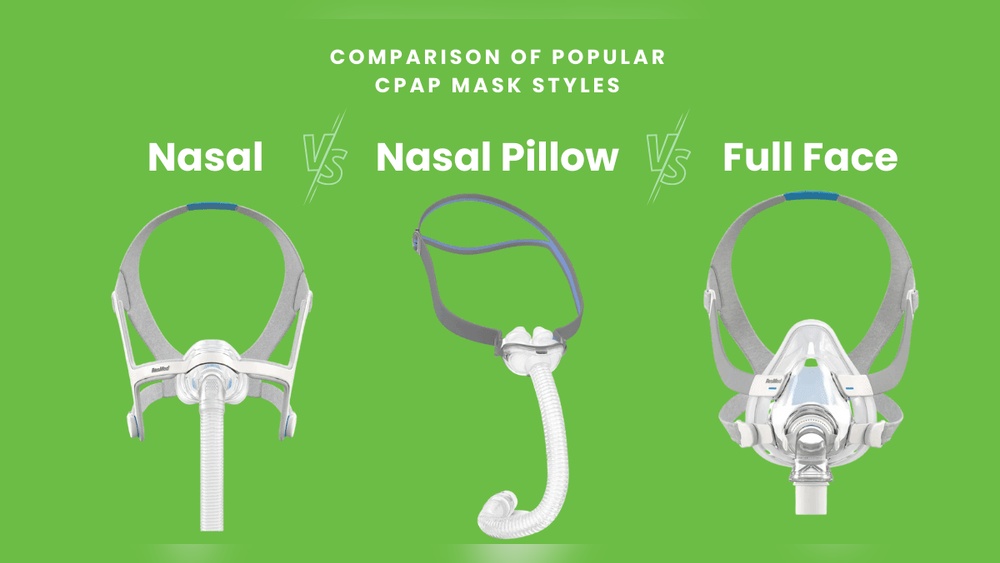
A nasal cushion covers the nose’s base, while a pillow fits into nostrils. Cushions offer broader contact, pillows provide targeted airflow. Both enhance CPAP comfort but suit different preferences and facial shapes for effective sleep apnea therapy.
Which Cpap Mask Is Better: Nasal Cushion Or Pillow?
The better mask depends on user comfort and sleep habits. Nasal cushions suit those needing gentle coverage; pillows work for side sleepers wanting minimal facial contact. Both deliver effective therapy when fitted properly.
Are Nasal Cushions Or Pillows Easier To Clean?
Nasal cushions are generally easier to clean due to larger, smooth surfaces. Pillows have smaller parts requiring careful cleaning to avoid damage. Regular cleaning is essential for both to maintain hygiene and mask performance.
Can Nasal Pillows Cause Nasal Irritation?
Nasal pillows can cause irritation if poorly fitted or used too tightly. Proper sizing and adjustment reduce discomfort. Using soft, hypoallergenic materials also helps prevent irritation during CPAP therapy.
Conclusion
Choosing between a CPAP nasal cushion and pillow depends on your comfort. Each offers different support for your breathing needs. Nasal cushions fit snugly inside your nostrils, while pillows rest around them. Think about which feels better during sleep. Trying both can help find the right fit.
Good sleep starts with the right CPAP mask. Your comfort matters most for restful nights. Keep these points in mind to improve your CPAP experience.