
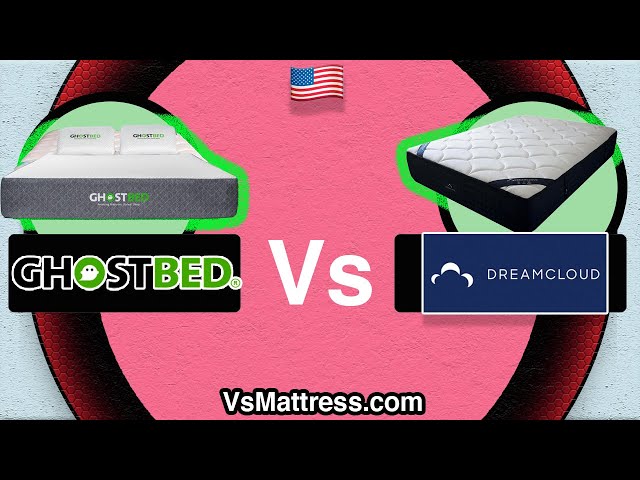
Dreamcloud Vs Ghostbed: Ultimate Mattress Showdown 2026
Choosing the right mattress can change the way you sleep—and the way you feel every day. You might be stuck between two popular options: DreamCloud and GhostBed.
Both promise comfort and support, but which one truly fits your needs? You’ll discover the key differences that matter to your sleep quality, budget, and long-term comfort. Keep reading to find the mattress that’s made just for you.
Credit: www.youtube.com
Mattress Construction
The construction of a mattress plays a big role in comfort and support. DreamCloud and GhostBed offer different designs. Each mattress uses various materials and layers. These details affect how the mattress feels and performs. Understanding the build helps you choose the right mattress for your needs.
Materials Used
DreamCloud combines memory foam, latex, and pocketed coils. Its cover is made of a soft quilted cashmere blend. GhostBed uses gel-infused memory foam and latex foam. It also has a cooling cover made of Tencel fabric. Both mattresses use high-quality materials for durability and comfort.
Layer Composition
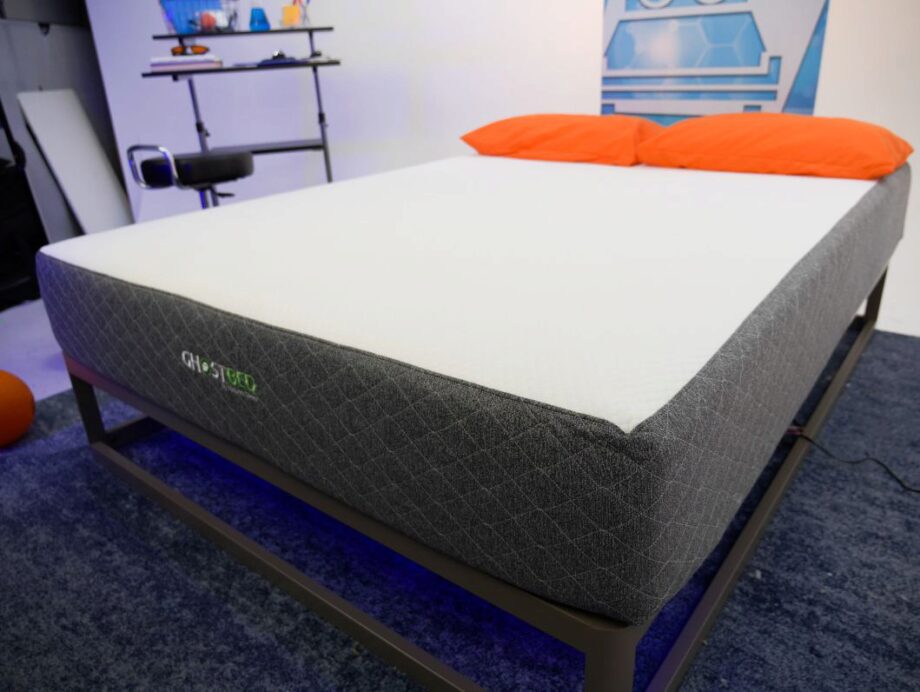
DreamCloud has six layers. It starts with a plush quilted top layer. Below are memory foam and latex layers. The base has individually wrapped coils for support. GhostBed has three main layers. The top layer is gel memory foam for cooling. Next is latex foam for bounce. The base layer is high-density foam for stability.
Firmness Levels
DreamCloud is medium-firm, suitable for most sleepers. It balances softness and support well. GhostBed is also medium-firm but feels slightly firmer. It provides more bounce and responsiveness. Both mattresses offer good support for back and side sleepers.
Comfort And Support
Comfort and support are key features in choosing a mattress. They affect how well you sleep and how your body feels after rest. Both DreamCloud and GhostBed offer unique designs that focus on these aspects. Understanding their differences helps you pick the right mattress for your needs.
Pressure Relief
DreamCloud uses memory foam layers to ease pressure on joints. This helps reduce pain in shoulders and hips. GhostBed has a softer top layer that also softens pressure points. Both mattresses work well to keep your body comfortable all night.
Motion Isolation
DreamCloud absorbs movement well, so partners don’t feel each other’s shifts. GhostBed offers good motion control but is slightly less effective than DreamCloud. These features are great for couples who share a bed and want fewer disruptions.
Edge Support
DreamCloud features strong edge support, allowing you to sit or sleep near the edge without sinking. GhostBed provides decent edge support but feels softer at the sides. This makes DreamCloud better for those who use the full mattress surface.
Temperature Regulation
Temperature regulation is key for a good night’s sleep. Both DreamCloud and GhostBed focus on keeping sleepers cool and comfortable. They use different methods to help control heat and airflow. Understanding these can help you pick the right mattress.
Breathability Features
DreamCloud uses a breathable cover made of cashmere and polyester. This lets air flow freely, reducing heat build-up. The coil system inside also allows air to move through the mattress. This helps keep the surface cool during the night.
GhostBed has a cover made from soft, cooling fabric. It feels cool to the touch and helps wick away moisture. The latex layer inside is naturally breathable. This promotes airflow and prevents heat from getting trapped.
Cooling Technologies
DreamCloud includes gel-infused memory foam. This gel helps absorb and disperse heat. The mattress also has a high-density foam base that supports airflow. Together, these layers reduce heat retention.
GhostBed uses a special cooling gel in its foam layers. This gel draws heat away from the body. The mattress also uses ventilated latex to boost air circulation. This keeps the mattress temperature balanced all night.
Durability And Longevity
Durability and longevity are key factors in choosing a mattress. A mattress that lasts longer saves money and provides consistent comfort. DreamCloud and GhostBed offer different strengths in these areas. Understanding their build quality and warranty helps buyers decide which mattress fits their needs better.
Build Quality
DreamCloud uses a hybrid design with multiple layers. It combines memory foam, latex, and pocketed coils. These materials resist sagging and wear over time. The cover is made from quilted cashmere blend, adding softness and durability.
GhostBed features a foam mattress with gel-infused memory foam and latex. Its layers are designed to keep shape and avoid body impressions. The cover is a stretch-knit fabric, which is strong and breathable.
Both mattresses focus on durable materials. DreamCloud’s coil system may offer extra support for heavier sleepers. GhostBed’s all-foam build is lighter but still firm.
Warranty Details
DreamCloud provides a lifetime warranty. It covers defects in materials and workmanship. This shows confidence in their mattress’s durability.
GhostBed offers a 20-year warranty. It also protects against manufacturing faults and sagging beyond a certain depth.
Both warranties require proper care and use. Registering the mattress after purchase is important to keep coverage active.
The longer warranty from DreamCloud may appeal to those wanting extended protection. GhostBed’s 20 years still offers solid assurance for most users.
Price And Value
Price and value are key factors when choosing a mattress. Both DreamCloud and GhostBed offer strong options. Understanding their costs and return policies helps make a clear choice. Let’s explore how they compare on price and value.
Cost Comparison
DreamCloud mattresses usually cost more upfront. Their hybrid design adds to the price. GhostBed offers a lower starting price with foam models. DreamCloud often runs sales, which can reduce the cost. GhostBed provides affordable options that suit many budgets. Both brands deliver good quality for their price.
Trial Periods And Returns
DreamCloud offers a 365-night trial period. This long trial lets you test the mattress fully. You can return it anytime within this period for a refund. GhostBed provides a 101-night trial, shorter but still fair. Returns are simple with both companies. They pick up the mattress and give a full refund.
Credit: www.mattressnerd.com
Customer Feedback
Customer feedback offers real insights into Dreamcloud and Ghostbed mattresses. Reviews reveal what buyers like and dislike. These opinions help understand comfort, support, and value.
Reading various experiences shows patterns in satisfaction and issues. It highlights how each mattress performs in daily use. The feedback also guides potential buyers in making choices.
Positive Reviews
Dreamcloud users praise its plush feel and strong support. Many find it great for side and back sleepers. The mattress often gets high marks for pressure relief and cooling features.
Ghostbed customers like its firm yet comfortable design. Several mention quick adjustment and good motion isolation. Users appreciate the breathable cover and overall durability.
Common Complaints
Some Dreamcloud buyers report it feels too soft after months. A few mention initial off-gassing smells. Others say it may not suit stomach sleepers well.
Ghostbed complaints often include firmness that feels too hard. Some users find the mattress less suitable for heavier body types. A few note the edges lack strong support.
Who Should Choose Which
Choosing between DreamCloud and GhostBed depends on your sleep style and needs. Each mattress has unique features that suit different sleepers. Knowing who benefits most from each helps you pick the right one.
Here is a simple guide to help you decide which mattress fits you best.
Best For Side Sleepers
DreamCloud offers excellent pressure relief for side sleepers. Its plush top layer softens the shoulders and hips. This helps reduce pain and keeps the spine aligned. Side sleepers often need extra cushioning, and DreamCloud provides that comfort.
GhostBed is firmer and less contouring. It might feel too hard on the shoulders for side sleepers. This can cause discomfort and tossing during the night.
Best For Back Sleepers
GhostBed supports the lower back well, making it ideal for back sleepers. Its firm feel keeps the spine straight without sinking. This support prevents back pain and stiffness.
DreamCloud also supports back sleepers but may feel softer. Those who like a plush surface might prefer DreamCloud. But if you want firmer support, GhostBed suits you better.
Best For Couples
DreamCloud reduces motion transfer very well. Couples can move without disturbing each other. Its hybrid design offers a good balance of support and comfort for two people.
GhostBed is bouncier and transfers more motion. Couples who move a lot might find it less restful. DreamCloud is the safer choice for peaceful nights together.

Credit: us.mattress.zone
Frequently Asked Questions
What Are The Main Differences Between Dreamcloud And Ghostbed?
Dreamcloud combines hybrid coils with memory foam for balanced support. Ghostbed is an all-foam mattress focusing on cooling and pressure relief. Dreamcloud suits those wanting firmness and bounce, while Ghostbed is ideal for cooler, softer sleep preferences.
Which Mattress Is Better For Side Sleepers?
Dreamcloud offers strong support and pressure relief for side sleepers. Ghostbed provides softer contouring, reducing shoulder and hip pain. Side sleepers might prefer Ghostbed for its plush feel, but Dreamcloud supports proper spine alignment better.
How Do Dreamcloud And Ghostbed Compare In Durability?
Dreamcloud uses high-quality coils and foams, lasting 8-10 years. Ghostbed’s all-foam design is durable but might soften faster, lasting about 7-8 years. Dreamcloud generally offers better long-term durability due to its hybrid construction.
Which Mattress Is More Affordable: Dreamcloud Or Ghostbed?
Ghostbed is typically more affordable with frequent discounts. Dreamcloud is a luxury hybrid mattress and costs more upfront. However, Dreamcloud’s durability and features may offer better value over time.
Conclusion
DreamCloud and GhostBed both offer strong mattress choices. DreamCloud feels softer and has good support for side sleepers. GhostBed is firmer and cools well, great for back sleepers. Prices and trial periods differ, so consider your budget and comfort needs.
Testing each mattress can help you choose the best fit. Both brands focus on quality and durability. Your sleep quality depends on picking what suits your body best. Choose carefully for better rest and comfort every night.