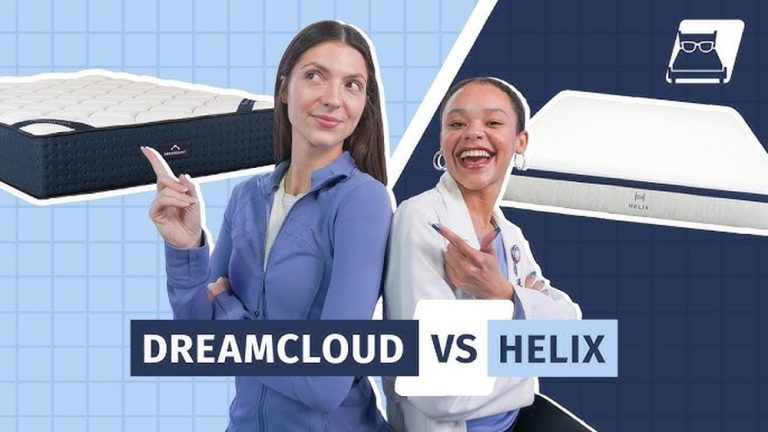
Dreamcloud Vs Tuft And Needle: Ultimate Mattress Showdown 2026
Choosing the perfect mattress can feel overwhelming, especially when top brands like Dreamcloud and Tuft and Needle are in the mix. You want a mattress that offers comfort, support, and great value for your money.
But which one truly fits your needs? You’ll discover the key differences between Dreamcloud and Tuft and Needle, helping you make a confident decision that leads to better sleep every night. Keep reading to find out which mattress matches your lifestyle and sleep style perfectly.
Credit: www.mattressnerd.com
Brand Backgrounds
Understanding the background of each brand helps in making a smart mattress choice. DreamCloud and Tuft & Needle both have unique origins. These stories shape their products and customer service.
Dreamcloud Origins
DreamCloud started with a goal to offer luxury sleep at a fair price. Founded in 2017, the brand focused on hybrid mattresses. They combine memory foam and innerspring coils for comfort and support.
The company uses high-quality materials to ensure durability. DreamCloud quickly gained attention for its long trial period. This helped build trust with customers.
Tuft And Needle Story
Tuft & Needle began in 2012 as a direct-to-consumer mattress brand. The founders wanted to simplify mattress buying. They created an affordable foam mattress with good support.
The brand uses adaptive foam that adjusts to body shape. Tuft & Needle grew fast by offering clear information and fair pricing. Customer satisfaction remains a top priority for them.
Mattress Construction
Mattress construction plays a big role in comfort and support. It decides how the bed feels and lasts. DreamCloud and Tuft & Needle use different designs and materials. Let’s explore how each mattress is built. This helps you pick the right one for your sleep needs.
Materials Used
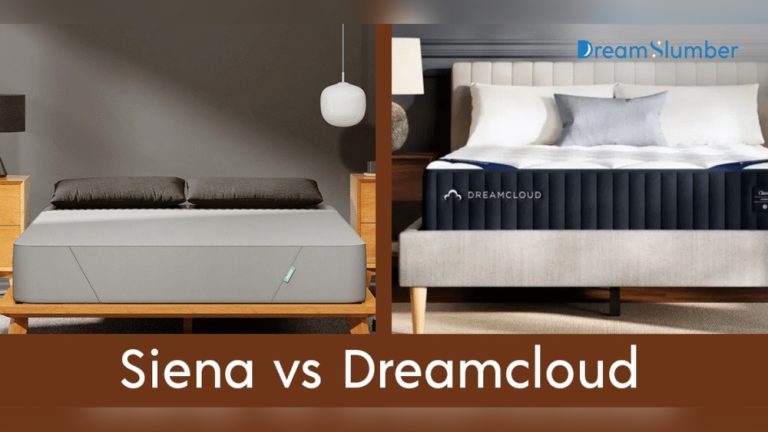
DreamCloud uses a mix of memory foam, latex, and coils. The foams add softness and contouring. The coils give strong support and good airflow. Tuft & Needle uses two special foam layers. These foams are designed to be durable and breathe well. They avoid springs and focus on foam comfort.
Layer Composition
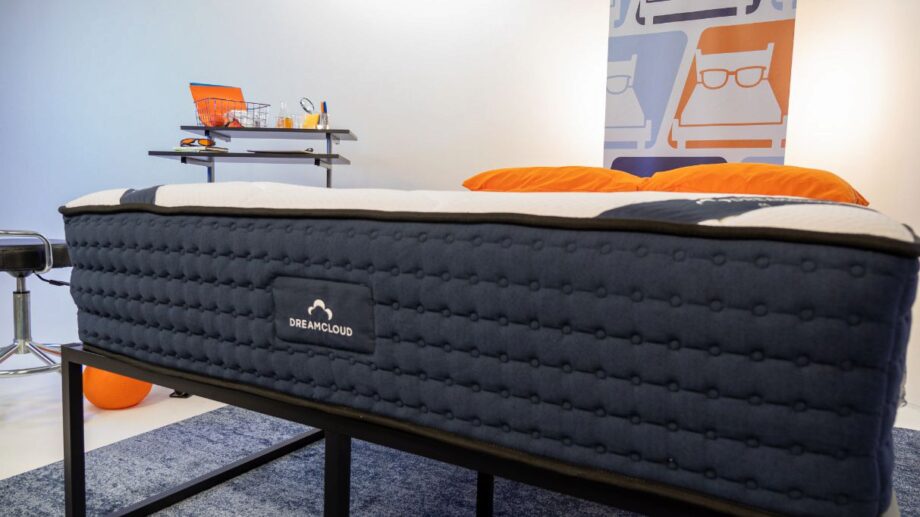
DreamCloud has several layers. It starts with a quilted top for softness. Next are memory foam and latex layers for pressure relief. Below is a coil system for support and bounce. Tuft & Needle has a simpler setup. It has a top adaptive foam layer and a base foam layer. This keeps the mattress light and flexible.
Firmness Levels
DreamCloud feels medium-firm. It suits many sleep positions and body types. The coil layer helps keep the mattress balanced. Tuft & Needle offers a medium feel too. It is a bit softer than DreamCloud. Both mattresses aim for comfort but use different ways to reach it.
Comfort And Support
Comfort and support are key factors in choosing the right mattress. They affect how well you sleep and how your body feels the next day. DreamCloud and Tuft & Needle offer different approaches to comfort and support. Let’s explore how they compare in three important areas.
Pressure Relief
Pressure relief helps reduce pain in sensitive areas like shoulders and hips. DreamCloud uses memory foam layers that contour to your body. This softens pressure points and provides gentle support. Tuft & Needle uses adaptive foam that balances softness and firmness. It offers moderate pressure relief without sinking too much. Both mattresses help ease pressure but in slightly different ways.
Spinal Alignment
Proper spinal alignment prevents back pain and stiffness. DreamCloud combines foam and coils to keep your spine straight. The coils offer firm support while foam adds comfort. Tuft & Needle’s foam is designed to support your back evenly. It keeps your spine in a natural position. Both mattresses aim to maintain healthy spinal alignment for restful sleep.
Edge Support
Edge support lets you use the full mattress surface without feeling like you will roll off. DreamCloud has strong coils around the edges for firm support. This makes sitting or sleeping near the edge more stable. Tuft & Needle has softer edges, which may feel less secure. For those who sleep or sit at the edge, DreamCloud offers better support.
Credit: www.dreamcloudsleep.com
Sleep Experience
Sleep quality depends on many factors. The DreamCloud and Tuft & Needle mattresses offer different sleep experiences. Understanding their features helps you choose the right fit for your needs. This section looks at key areas like temperature regulation, motion isolation, and noise levels.
Temperature Regulation
DreamCloud uses cooling gel and breathable coils to reduce heat. This helps keep the mattress cool all night. Tuft & Needle uses open-cell foam that allows air to flow. This also helps avoid overheating. Both mattresses work well to keep you comfortable.
Motion Isolation
DreamCloud has pocketed coils that absorb movement well. This means less disturbance if your partner moves. Tuft & Needle uses adaptive foam that also limits motion transfer. Both options are good for light to moderate sleepers who share a bed.
Noise Levels
DreamCloud’s coil system may produce slight noise with movement. Still, it is generally quiet during sleep. Tuft & Needle’s foam design is nearly silent. It makes almost no sound, even with movement. Quiet sleep is possible with both mattresses.
Durability And Warranty
Durability and warranty are key factors when choosing a mattress. These aspects show how long the mattress lasts and how the company supports the buyer. DreamCloud and Tuft and Needle both offer strong options. Understanding their lifespan, warranty, and trial periods helps make a smart choice.
Lifespan Expectations
DreamCloud mattresses usually last 7 to 10 years. They use durable materials like memory foam and coils. Tuft and Needle mattresses last about 5 to 7 years. Their foam is high quality but less complex. Both provide good durability for their price.
Warranty Coverage
DreamCloud offers a lifetime warranty on their mattress. This covers defects and sagging over 1 inch. Tuft and Needle gives a 10-year limited warranty. It protects against manufacturing flaws and body impressions. Both companies stand behind their mattresses well.
Trial Periods
DreamCloud provides a 365-night sleep trial. This lets buyers test comfort for a full year. Tuft and Needle has a 100-night trial period. It allows enough time to decide if the mattress suits the sleeper. Both return policies are simple and customer-friendly.
Pricing And Value
Pricing and value are key factors when choosing a mattress. Both DreamCloud and Tuft and Needle offer quality options. Understanding their costs and benefits helps you decide which fits your budget and needs.
Cost Comparison
DreamCloud mattresses generally cost more than Tuft and Needle. DreamCloud offers luxury hybrid models with premium materials. Tuft and Needle focuses on simpler foam mattresses at lower prices. Prices vary by size and model. Expect to pay more for DreamCloud’s complex design and extra features.
Discounts And Offers
Both brands offer discounts regularly. DreamCloud often has seasonal sales and bundle deals. Tuft and Needle provide promo codes and occasional price cuts. Signing up for newsletters can unlock special offers. Always check official sites before buying.
Return Policies
DreamCloud has a 365-night trial period, giving plenty of time to test the mattress. Tuft and Needle offer a 100-night trial, which is shorter but still generous. Both companies have easy return processes. Full refunds are available if you return within the trial period.
Customer Feedback
Customer feedback reveals real experiences with DreamCloud and Tuft & Needle. It shows what buyers like and dislike about each mattress. Honest opinions help new buyers decide which mattress fits their needs best.
Positive Reviews
Many DreamCloud users praise its comfort and support. They mention the mattress feels plush yet firm. Buyers say it helps reduce back pain and improves sleep quality. Tuft & Needle customers like the mattress’s simplicity and breathability. They find it lightweight and easy to move. Both brands receive compliments for good customer service and quick delivery.
Common Complaints
Some DreamCloud users find the mattress too soft. A few say it retains heat during sleep. Tuft & Needle buyers sometimes report the mattress feels too firm. Others mention it may wear out faster than expected. A small number of customers from both brands mention issues with off-gassing smells at first.
Overall Satisfaction
Most buyers express satisfaction with their mattress choice. DreamCloud scores higher for those who want a plush feel. Tuft & Needle appeals more to people who prefer firm support. Both brands offer solid warranties and trial periods. This adds confidence for buyers before finalizing their purchase.
Which Mattress Suits You
Choosing the right mattress affects your sleep quality and comfort. DreamCloud and Tuft and Needle offer distinct features that suit different sleepers. Understanding your sleep style and budget helps in picking the best mattress for you.
Each mattress has strengths that match certain preferences and body types. Let’s explore which mattress fits your needs best.
Best For Side Sleepers
Side sleepers need good pressure relief on shoulders and hips. DreamCloud’s hybrid design provides soft cushioning with strong support. It reduces pressure points for a more comfortable night. Tuft and Needle feels firmer and less contouring. It may not relieve pressure as well for side sleepers. DreamCloud suits side sleepers who want extra softness and support.
Best For Back Sleepers
Back sleepers need balanced support to keep the spine aligned. Tuft and Needle offers firm support with a responsive foam feel. It keeps the back straight without sinking too much. DreamCloud is softer and may feel plush for some back sleepers. Those who prefer a firmer mattress find Tuft and Needle better. It maintains good posture and comfort throughout the night.
Best For Budget Buyers
Tuft and Needle is more affordable, making it ideal for budget buyers. It delivers good quality without a high price. DreamCloud costs more due to its hybrid build and luxury feel. Budget buyers get good value from Tuft and Needle’s simple design. It balances comfort and price effectively for those on a tight budget.

Credit: www.youtube.com
Frequently Asked Questions
What Are The Main Differences Between Dreamcloud And Tuft & Needle?
DreamCloud offers hybrid mattresses with luxury feel, while Tuft & Needle focuses on affordable foam mattresses. DreamCloud provides more support and plushness, ideal for heavier sleepers. Tuft & Needle suits budget-conscious buyers seeking simple comfort and medium firmness.
Which Mattress Brand Offers Better Value For Money?
Tuft & Needle generally offers better value for money with affordable pricing and quality materials. DreamCloud is pricier but delivers premium features and durability. Your choice depends on budget and desired mattress features.
How Do Dreamcloud And Tuft & Needle Mattresses Compare In Comfort?
DreamCloud mattresses provide a balanced feel with plush top layers and firm support. Tuft & Needle offers medium-firm comfort suitable for most sleepers. DreamCloud is better for those needing extra cushioning, while Tuft & Needle suits those preferring simplicity.
Are Dreamcloud And Tuft & Needle Mattresses Suitable For All Sleep Positions?
DreamCloud’s hybrid design supports side, back, and stomach sleepers well. Tuft & Needle’s foam mattress adapts comfortably to various positions too. Both brands cater to different preferences but perform well across sleep styles.
Conclusion
DreamCloud and Tuft and Needle both offer solid mattress choices. DreamCloud suits those who prefer plush, supportive beds. Tuft and Needle fits people wanting simple, firm comfort. Prices and materials vary, so consider your budget and needs. Both brands provide good customer service and trial periods.
Choose the mattress that feels right for your sleep style. Rest well and enjoy peaceful nights ahead.