Latex Vs Memory Foam Pillow: Ultimate Comfort Showdown Revealed
Choosing the right pillow can make a huge difference in how well you sleep and how refreshed you feel in the morning. If you’ve been wondering whether a latex or memory foam pillow is better for you, you’re not alone.
Both options promise comfort and support, but they work in very different ways. By understanding how each pillow affects your neck, head, and overall sleep quality, you can find the perfect match for your unique needs. Keep reading to discover which pillow could transform your nights—and give you the restful sleep you deserve.
Material Composition
The material composition of pillows plays a big role in comfort and support. Latex and memory foam are popular choices. Both offer unique features that affect sleep quality. Understanding their materials helps in choosing the right pillow.
Latex Origins And Types
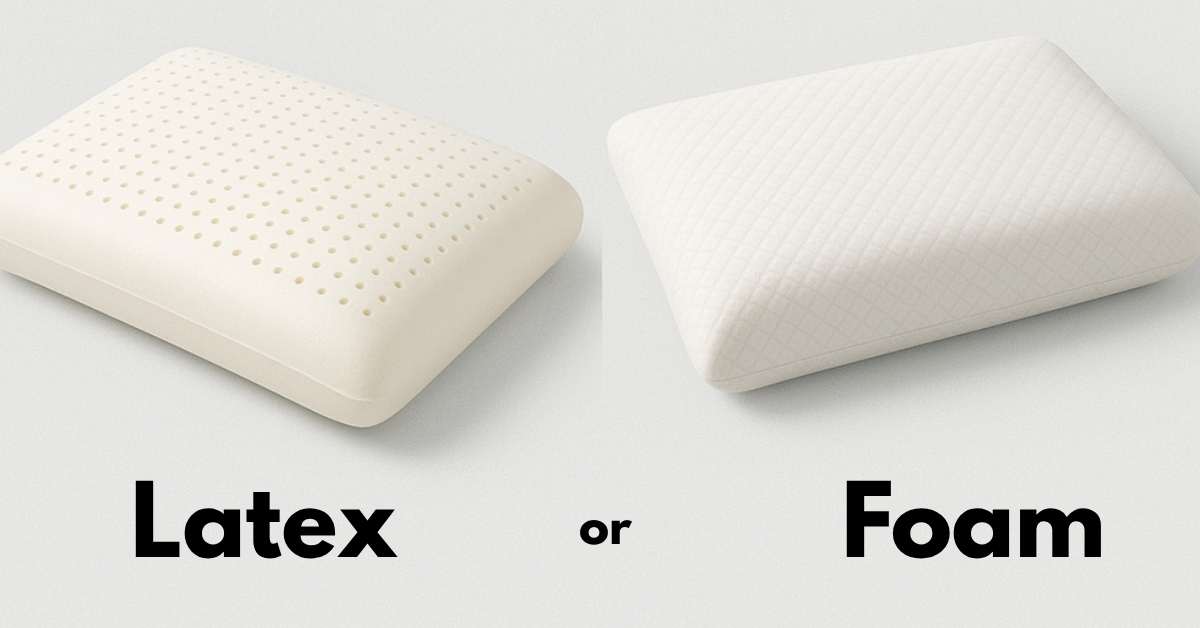
Latex comes from the sap of rubber trees. It is natural and renewable. There are two main types: natural latex and synthetic latex. Natural latex is made from pure rubber tree sap. Synthetic latex is made from chemical compounds. Natural latex tends to be more durable and eco-friendly. It also resists dust mites and mold. Talalay and Dunlop are common processing methods. Talalay latex feels softer and more airy. Dunlop latex is denser and firmer. Both types provide good bounce and support.
Memory Foam Technology
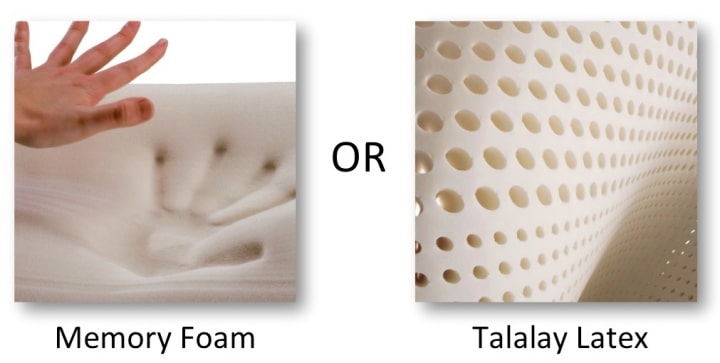
Memory foam is a man-made material made from polyurethane. It reacts to heat and pressure. This allows it to mold around the head and neck. Memory foam offers excellent contouring and pressure relief. It returns slowly to its original shape after use. Some memory foams include cooling gel for temperature control. The foam density affects firmness and durability. Higher density foams last longer and support better. Memory foam can trap heat but newer versions improve breathability.
Credit: blissy.com
Comfort And Support
Comfort and support are key factors in choosing the right pillow. Both latex and memory foam pillows offer unique benefits. Understanding how each handles pressure, spine alignment, and firmness helps find the best fit for your sleep needs.
Pressure Relief
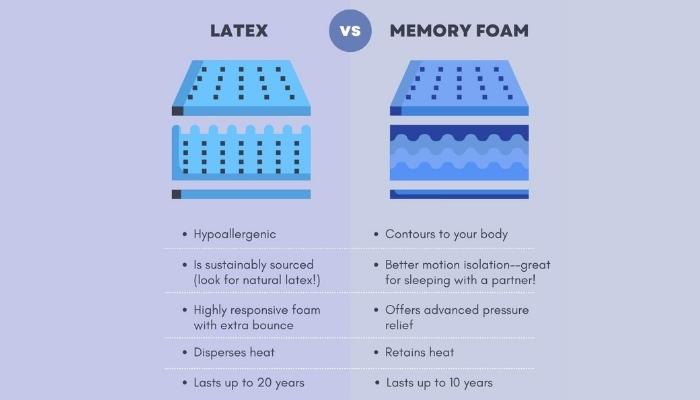
Memory foam pillows mold to the shape of your head and neck. This helps spread out pressure evenly. It reduces pain points and keeps you comfortable all night. Latex pillows also offer pressure relief. They bounce back quickly and provide gentle support. They prevent pressure build-up but feel firmer than memory foam.
Spine Alignment
Proper spine alignment is important for restful sleep. Memory foam contours closely, supporting your neck’s natural curve. This helps keep the spine straight and reduces stiffness. Latex pillows offer steady support without sinking too much. They maintain your neck’s position and promote healthy spine alignment.
Firmness Levels
Memory foam pillows come in various firmness levels. They can be soft, medium, or firm depending on your preference. Latex pillows tend to be firmer and more resilient. They hold their shape well and suit those who like solid support. Both options give choices to match your comfort style.
Durability And Longevity
Durability and longevity play a big role in choosing the right pillow. A pillow that lasts longer saves money and keeps comfort consistent. Latex and memory foam pillows differ in how they handle wear and tear. Understanding these differences helps pick a pillow that suits your needs.
Wear And Tear
Latex pillows resist wear better. They keep their shape for years without sagging. Their natural bounce helps them recover quickly from pressure. Memory foam pillows soften over time. They may develop permanent dents or lose support. Heat and body weight speed up this process. Regular use can reduce memory foam’s lifespan faster.
Maintenance Tips
Latex pillows need simple care. Air them out often to prevent moisture buildup. Avoid direct sunlight to stop material breakdown. Memory foam pillows require gentle handling. Use pillow covers to protect from sweat and dust. Spot clean with mild soap and water only. Do not machine wash or dry these pillows.
Temperature Regulation
Temperature regulation is key for a good night’s sleep. A pillow that stays cool helps you rest better. Both latex and memory foam pillows have different ways to manage heat. Understanding these can help you pick the best pillow for comfort.
Breathability Of Latex
Latex pillows are naturally breathable. Tiny holes in latex allow air to pass through easily. This airflow keeps the pillow cool throughout the night. Latex also resists moisture, which helps reduce heat build-up. The natural latex material feels fresh and dry. It works well for people who sleep hot or sweat at night.
Heat Retention In Memory Foam
Memory foam tends to trap heat. The dense foam slows down air circulation inside the pillow. This causes the pillow to feel warm after some time. Some memory foam pillows add cooling gel or ventilation to help. Despite this, many users find memory foam warmer than latex. If you sleep hot, memory foam might feel less comfortable.
Allergy And Health Factors
Choosing the right pillow affects your health and comfort. Allergy and health factors play a big role in this choice. Pillows can cause allergies or worsen them. Understanding these factors helps you pick a safe pillow for better sleep.
Hypoallergenic Properties
Latex pillows are naturally hypoallergenic. They resist dust mites, mold, and bacteria. This makes them good for allergy sufferers. Memory foam pillows may trap allergens inside. They are less breathable, which can cause problems. Many memory foam pillows include covers that claim to be hypoallergenic. Still, the foam itself may hold dust mites and allergens. Latex offers a cleaner sleep surface naturally.
Chemical Sensitivities
Memory foam pillows often contain chemicals. Some people feel irritation or headaches from these chemicals. Off-gassing is common with new memory foam pillows. This means they release odors from chemicals used in manufacturing. Latex pillows made from natural latex have fewer chemicals. Pure natural latex is safer for sensitive skin and breathing. Always check for certifications to ensure low chemical use in pillows.
Price And Value
Price and value play a big role in choosing the right pillow. Many people want comfort without spending too much. Latex and memory foam pillows differ in cost and what you get for your money. Understanding these differences helps you pick the best pillow for your needs.
Cost Comparison
Latex pillows usually cost more than memory foam ones. Natural latex is more expensive to produce. Memory foam pillows often come at a lower price. This makes memory foam an option for tight budgets. But price is not the only factor. The durability and comfort of latex can justify its higher cost.
Warranty And Guarantees
Both pillow types often include warranties. Latex pillows tend to have longer warranty periods. This shows confidence in their durability. Memory foam pillows may offer shorter warranties. Check the warranty terms carefully. Good guarantees add value and protect your purchase.
User Experience
User experience plays a key role in choosing the right pillow. Comfort, support, and how the pillow fits your sleep style matter most. Both latex and memory foam pillows offer unique feels. Understanding these differences helps find the best match for restful sleep.
Sleep Positions Compatibility
Latex pillows provide firm and consistent support. They keep their shape well, making them great for back and stomach sleepers. Side sleepers might find latex too firm unless it has a contour design.
Memory foam pillows adapt to the head and neck shape. They offer soft, cradling support. Side and back sleepers often prefer memory foam. Stomach sleepers may find memory foam too thick or warm.
Customer Reviews
Many users praise latex pillows for their durability and breathability. They report feeling cool and well-supported throughout the night. Some users mention latex can feel too firm at first.
Memory foam pillows receive high marks for comfort and pressure relief. Users like how the foam molds to their shape. Some reviews note memory foam can retain heat and feel heavy.
Credit: www.sigra.com
Credit: pillo1.com
Frequently Asked Questions
What Are The Key Differences Between Latex And Memory Foam Pillows?
Latex pillows offer natural resilience and bounce, while memory foam contours closely to your head and neck. Latex is breathable and cooler, whereas memory foam provides more pressure relief but may retain heat. Each suits different sleep preferences and needs.
Which Pillow Type Is Better For Neck Pain Relief?
Memory foam pillows generally provide better neck support by molding to your neck’s shape. Latex pillows also support but with firmer resistance. For chronic neck pain, memory foam is often preferred due to its pressure-relieving properties.
Are Latex Pillows More Durable Than Memory Foam Ones?
Yes, latex pillows typically last longer, often up to 8-10 years. Memory foam pillows usually last around 2-4 years. Latex resists sagging and maintains shape better, making it a more durable option.
Do Latex Pillows Sleep Cooler Than Memory Foam?
Latex pillows are naturally breathable and promote airflow, helping them stay cooler. Memory foam can trap heat due to its density. If you tend to sleep hot, latex is often the cooler choice.
Conclusion
Choosing between latex and memory foam pillows depends on your sleep needs. Latex pillows offer firm support and stay cool all night. Memory foam pillows mold to your head and neck, easing pressure points. Both types improve sleep quality but feel different.
Think about your comfort and any allergies. Test each pillow if possible. Good sleep starts with the right pillow choice. Rest well and wake up refreshed.