Best Pillow for Thoracic Outlet Syndrome 2026: Top Picks Reviewed
Finding the best pillow for thoracic outlet syndrome can make a big difference in how you feel each day. This condition puts pressure on nerves and blood vessels near your neck and shoulder, which can cause pain and discomfort. A good pillow helps ease that pressure by supporting your neck and shoulders the right way. It’s all about alignment and comfort. With the right pillow, you can reduce pain, improve sleep, and wake up feeling better. Choosing the perfect one depends on your sleeping style and personal needs, but knowing what to look for can save you a lot of trouble. Let’s talk about what makes a pillow really work for thoracic outlet syndrome.
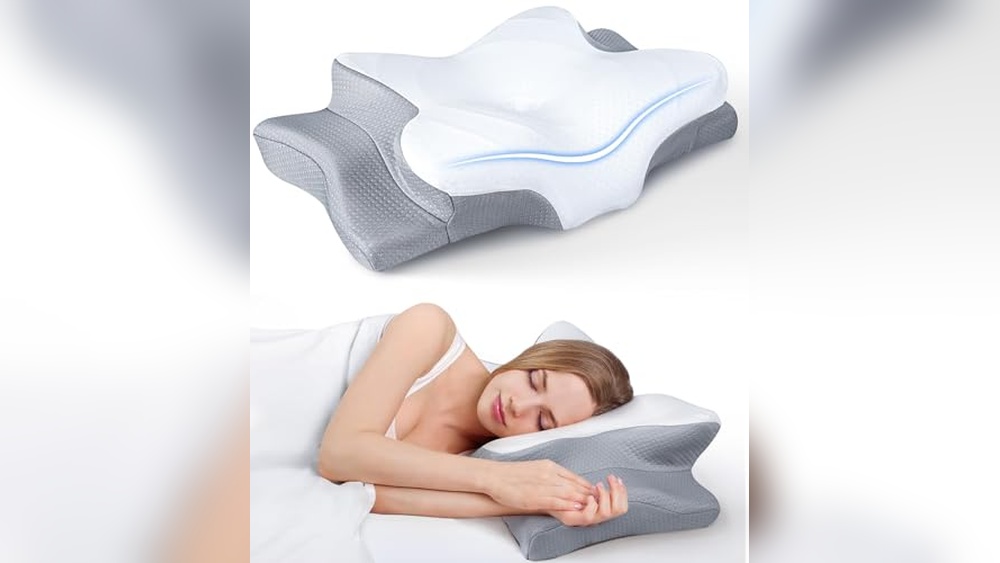
Cozyplayer Contoured Neck Support Pillow
The Best Pillow for Thoracic Outlet Syndrome for those seeking ergonomic neck support to relieve pressure and improve sleep quality.

Daily Comfort and Practical Support
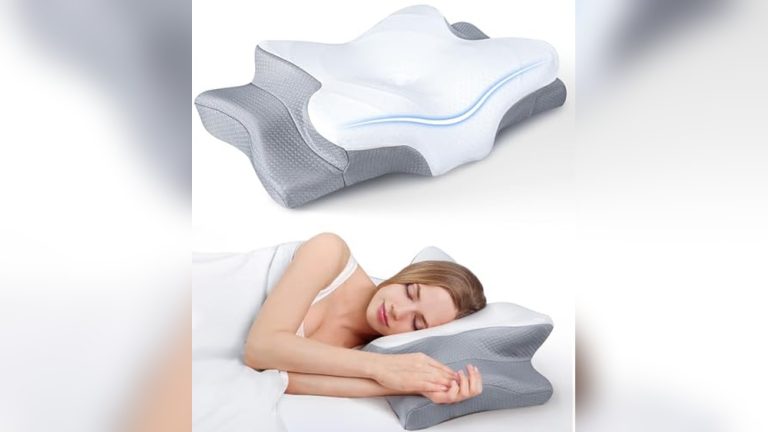
- Designed with a hollow concave surface angled at 15° to cradle your head and maintain neck alignment.
- Six contour zones provide targeted support to neck, shoulders, and arms, easing tension effectively.
- Memory foam core is breathable and odorless, paired with a cooling mesh pillowcase to reduce skin temperature.
- Adjustable height options allow personalization for different sleep positions and comfort needs.
- The pillow stays cool throughout the night, helping maintain restful, uninterrupted sleep.
Considerations for Use
- Memory foam may have a slight initial odor requiring airing out for about 48 hours.
- Those preferring a very soft pillow may find the contour firmer than expected.
- Adjustments like rotating or removing inserts take a moment to find the ideal height.
Thoughtful Support for Neck and Shoulder Relief
This pillow’s unique hollow concave design helps maintain natural neck curvature, which can ease discomfort associated with thoracic outlet syndrome. Its six-zone contouring addresses key pressure points, providing a balanced support that goes beyond basic pillows. The cooling fabric and breathable foam add a layer of comfort that helps keep you dry and relaxed through the night.
While it takes some time to adjust to the firmness and find the perfect height setup, once settled, it offers a confident sense of support. The pillow’s ergonomic shape encourages better posture during sleep, potentially improving recovery and reducing stiffness.
Who Benefits Most and Who Might Look Elsewhere
This pillow is well suited for side, back, and stomach sleepers who need firm yet breathable support to relieve neck and shoulder pressure. Its adjustable features make it a flexible choice for those who want to customize their sleep setup for thoracic outlet syndrome relief. People sensitive to foam odors or who prefer very soft pillows might find it less ideal.
Those who frequently change sleep positions may appreciate the versatility, while users seeking a simpler, softer pillow might consider alternatives. The initial break-in period for the foam is something to keep in mind.
- Supports neck and spine alignment for targeted relief
- Adjustable height for personalized comfort
- Cooling pillowcase reduces heat buildup
- Best for medium to firm support preference
- Requires airing out due to foam scent
A Practical Choice for Targeted Neck Comfort
If you experience neck or shoulder discomfort linked to thoracic outlet syndrome and want a pillow that offers structured support with cooling benefits, this pillow is worth considering. It suits those who value ergonomic design and customization over plush softness. If you prefer very soft or simple pillows, this might not be the best fit.
Take the time to adjust the pillow height and orientation to find what feels best for you. With proper use, it can support better sleep posture and reduce morning stiffness. The included 100-night trial also offers a chance to test comfort without pressure.
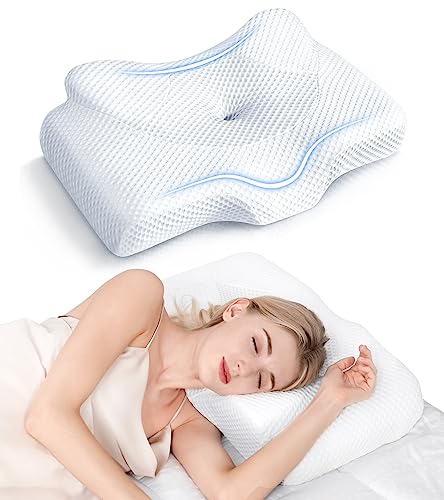
Osteo Cervical Memory Foam Pillow
The Best Pillow for Thoracic Outlet Syndrome designed for side and back sleepers seeking neck pain relief and improved posture during sleep.
What to Expect Nightly
- Supportive hollow center keeps your neck aligned and reduces muscle tension.
- Breathable 3D mesh cover helps keep the pillow cool and fresh throughout the night.
- Adjustable height with reversible layers lets you personalize comfort easily.
- Memory foam adapts to your head and neck shape for consistent pressure relief.
- Suitable for side, back, and stomach sleepers needing orthopedic support.
Consider Before You Buy
- Memory foam may feel firm initially and require airing out for full softness.
- Not ideal if you prefer very soft or traditional down pillows.
- Adjusting the height requires manual flipping and insert removal.
Thoughtful Support for Neck and Shoulders
This pillow stands out with its hollow center design that cradles your head while maintaining proper cervical alignment. It addresses common issues like neck pain and shoulder numbness often linked to poor sleeping posture.
Using it feels reassuring — the memory foam gently conforms without feeling too firm or too soft. The cooling mesh cover is a noticeable comfort for warmer sleepers, and the adjustable height options make it easy to find what works best.
A slight trade-off is that the pillow needs time to fully expand and air out after unpacking, but this is typical for memory foam products.
Who Benefits Most and What to Keep in Mind
This pillow fits well for those who suffer from thoracic outlet syndrome and want targeted neck support during sleep. Side and back sleepers will appreciate its shape and adjustability. It’s also helpful if you struggle with heat retention in pillows.
However, if you dislike memory foam or prefer a plush, traditional pillow feel, this might not be the best match. Also, people who dislike adjusting pillow height manually might find that inconvenient.
- Great for orthopedic support and neck alignment.
- Ideal for those sensitive to heat while sleeping.
- Best if you can give it time to fully expand before use.
- Not suited for users preferring soft, fluffy pillows.
A Calm Choice for Neck Pain Relief
If you need a pillow that offers real support for thoracic outlet syndrome and eases neck discomfort, this is a solid option. It’s especially suited for sleepers who want to maintain healthy posture without fuss.
If you dislike memory foam textures or require a pillow that doesn’t need any adjustment, this might not be ideal. A practical tip is to let the pillow air out for 48 hours before use to ensure maximum comfort.
Rest assured, this pillow is designed with quality materials and thoughtful features to help improve your sleep experience steadily.
Optp Thoracic Lumbar Support Pillow
This product is ideal for those seeking the Best Pillow for Thoracic Outlet Syndrome to ease discomfort and improve posture during long sitting periods.

Using the OPTP for Thoracic Outlet Relief
This pillow is designed to provide full back and lumbar support, specifically aiding those with thoracic outlet syndrome by encouraging proper sitting posture. Its unique “upside-down T” design helps align the thoracic spine and opens up the chest, which can reduce pressure on nerves and blood vessels in the shoulder area.
In practice, the firm yet comfortable foam feels supportive without being rigid. The adjustable straps make it easy to secure on different chairs, from office seats to car cushions. I found it helpful for maintaining posture during long work sessions, giving a sense of stability and reduced tension in the upper back and neck.
What Works Well and What to Keep in Mind
- Provides comprehensive support for upper and lower back areas.
- Encourages a natural cervical curve and neutral shoulder position.
- Adjustable straps with quick-release clips add convenience.
- Breathable mock-mesh fabric helps with moisture control.
- Compact size fits well on most chairs and car seats.
- The foam firmness might be too much for those preferring a softer cushion.
- Limited color options may not suit all aesthetic preferences.
- Not suitable if you need a pillow for sleeping rather than sitting support.
Thoughtful Choice for Posture Support
This pillow is a solid choice for people who spend extended periods sitting and need relief from thoracic outlet syndrome symptoms. It offers targeted support that can improve posture and reduce discomfort without being bulky.
However, if you prefer very soft cushioning or need something for lying down, this might not fit your needs. For those committed to improving their sitting posture, it’s worth trying with the adjustable straps for a custom fit. The design encourages a healthier spine alignment, which can be reassuring for daily use.
Cozyplayer Contoured Neck Pillow
This Best Pillow for Thoracic Outlet Syndrome is ideal for those seeking ergonomic neck support and spinal alignment during sleep.

Everyday Comfort and Support Highlights
- Ergonomic hollow concave design cradles the head and supports natural neck curvature.
- Six contour zones target pressure points for neck, shoulders, and arms relief.
- Cooling pillowcase with 3D mesh fabric keeps skin temperature down and enhances airflow.
- Customizable height adjusts sleep posture with removable inserts and rotation options.
- Memory foam is breathable, odorless, and non-toxic for comfortable all-night use.
Thoughtful Considerations Before Buying
- Initial memory foam odor requires airing out for 48 hours before use.
- Best suited for those comfortable with contoured pillows rather than traditional flat designs.
- May take time to adjust to the 15° angled neck support for some users.
Insight on the Cozyplayer Neck Pillow
This pillow stands out by combining contour support with cooling technology, designed to relieve neck tension linked to thoracic outlet syndrome. Its hollow concave shape gently supports the head while maintaining spinal alignment, which can be crucial for those with nerve or muscle compression issues.
Using it feels like a subtle lift and embrace of the neck area, allowing for a more restful sleep without the usual stiffness. The customizable height means you can tailor the pillow to your comfort level. However, the foam’s initial odor might be off-putting but dissipates after airing. Overall, it’s a thoughtful design that balances support and breathability.
Finding the Right Fit for Your Needs
This pillow fits well for side, back, and stomach sleepers who need targeted neck support to ease thoracic outlet syndrome discomfort. Its cooling fabric and adjustable height make it a practical choice for those who tend to overheat or want precise contouring.
However, if you prefer very soft or flat pillows, or dislike contour shapes, this might feel too structured. Also, those sensitive to initial foam smells should prepare for a brief airing period.
- Ideal for people with neck pain linked to thoracic outlet syndrome.
- Good for sleepers who want a firm, supportive pillow with cooling features.
- Not recommended for users who dislike memory foam or contoured designs.
Thoughtful Purchase Notes
If you suffer from thoracic outlet syndrome and want a pillow that supports the natural neck curve with cooling comfort, this Cozyplayer model is worth considering. It delivers targeted relief while being adjustable to your preferred height, which can improve sleep quality.
On the other hand, if you dislike firm or shaped pillows, you may find it less comfortable. A simple tip is to give the pillow a couple of days to air out before use to avoid any initial odor concerns. This pillow offers a balanced approach to support without overwhelming complexity, making it a calm and practical choice.
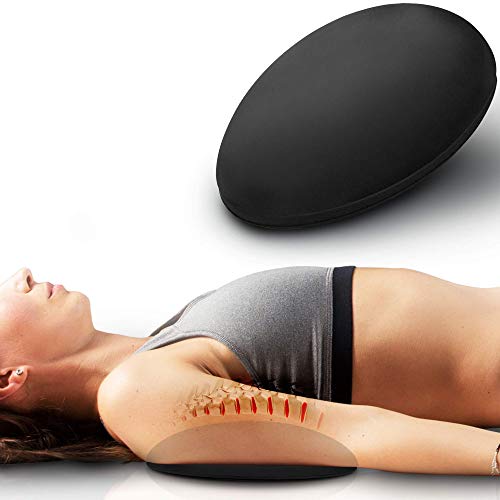
Lumia Wellness Thoracic Support Pod
This Best Pillow for Thoracic Outlet Syndrome is ideal for those seeking targeted relief from chest and upper back pain related to thoracic outlet issues.
Everyday Use and Considerations
- Provides firm but comfortable support to stretch the thoracic spine effectively.
- Easy to clean due to smooth, non-porous Eva foam surface.
- Recommended by health professionals for costochondritis and related conditions.
- Can be used for lower back and fibromyalgia relief, adding versatility.
- Lightweight and portable, weighing under 0.3 pounds.
- The firm foam might feel intense for those sensitive to pressure.
- Not a traditional pillow shape, so it requires some getting used to in positioning.
- No adjustable firmness levels available.
Thoughtful Use for Chest and Back Relief
The Lumia Wellness Thoracic Support Pod is designed to alleviate pain caused by thoracic outlet syndrome by targeting the pressure points around the ribs and sternum. Its firm Eva foam helps maintain proper posture and supports a gentle stretch in the upper back area, which can ease discomfort during breathing and movement.
In practice, it feels stable and supportive without being overly rigid. The semi-gloss surface is simple to clean, which adds to the confidence in daily use. While it takes a short period to adapt to the unique shape, the relief it offers for upper chest and back tension is noticeable and appreciated.
Who Benefits Most and What to Keep in Mind
This product fits best for individuals who experience pain from thoracic outlet syndrome, costochondritis, or related chest and upper back conditions and are looking for a firm, focused support device. It also benefits those who want a non-traditional pillow that doubles as a therapeutic stretcher.
It might not suit those who prefer a softer, more cushioned pillow or who find firm pressure uncomfortable. People expecting a standard pillow shape may find the pod unusual at first.
- Ideal for users recommended by therapists or chiropractors for upper chest pain relief.
- Great for people seeking a lightweight, easy-to-clean support tool.
- Less ideal for those sensitive to firm pressure or expecting a traditional pillow feel.
Consider This Before Deciding
For anyone managing thoracic outlet syndrome symptoms, this pod offers a focused and professional approach to easing pain, especially around the ribs and sternum. If you prefer firm, targeted support and don’t mind a unique shape, it’s worth considering.
If you are sensitive to firm materials or want a pillow primarily for sleep comfort, this might not meet your needs. Using it as part of a daily routine recommended by a healthcare provider can enhance its benefits.
Remember, relief often comes gradually, so patience helps. The easy cleaning surface is a practical plus that keeps maintenance simple and hygienic.
Littlemum Thoracic Flex Stretcher
For those seeking the Best Pillow for Thoracic Outlet Syndrome, this tool is ideal for easing tightness and discomfort in the chest and shoulders.

Everyday Use and Comfort Details
- Provides targeted stretching for the thoracic spine and pectoral muscles.
- Designed to avoid direct spine pressure, enhancing safety during use.
- Made from firm yet flexible food-grade silicone for durability and comfort.
- Stable dome shape keeps the device securely in place during stretches.
- Helps improve posture issues like hunchback and rounded shoulders.
Considerations Before You Buy
- Not a traditional pillow; it is a stretching tool, so comfort expectations differ.
- Requires some time to learn proper usage for maximum benefit.
- Weight and size may not suit those looking for a portable pillow alternative.
This device is designed to gently stretch and release tight muscles around the chest and upper back, which often contribute to Thoracic Outlet Syndrome discomfort. Its structure supports a safe and effective stretch, easing pain linked to muscle tightness and poor posture.
Using it feels stable and focused, with no uncomfortable pressure on the spine thanks to its groove design. It is straightforward to use once you get the hang of it, and the silicone material provides a good balance of firmness and comfort during sessions.
Thoughts for Potential Users
This stretcher fits best for people who want a non-invasive, self-care approach to relieve tightness associated with Thoracic Outlet Syndrome and related posture issues. It is particularly useful for those who spend long hours at desks and experience chest or upper back discomfort.
It may not be ideal for those looking for a traditional pillow or a device that requires minimal effort. If you prefer a simple cushion, this tool’s stretching focus might feel unfamiliar or inconvenient.
- Best for users committed to regular stretching routines.
- Helpful for improving posture alongside pain relief.
- Not suitable for quick fixes or passive comfort seekers.
Choosing This for Your Routine
If you deal with tight pectoral muscles or posture-related pain, this stretcher offers a practical way to target those areas. It’s a good match for anyone willing to spend a few minutes daily on guided stretches to ease symptoms of Thoracic Outlet Syndrome.
Those expecting a soft pillow substitute might want to look elsewhere, as this device focuses on active muscle release rather than cushioning. A helpful tip is to start slowly, allowing your body to adjust to the stretch intensity.
Overall, it provides a calm and reliable option for gentle self-care, supported by a durable design and thoughtful features that protect sensitive areas during use.
Finding The Right Pillow For Thoracic Outlet Syndrome Relief
Choosing the best pillow for thoracic outlet syndrome can feel overwhelming. Focus first on support for your neck and upper back. Look for adjustable features that let you customize height and firmness. Materials that offer cooling and breathability help with comfort through the night. Most people miss how important contour zones are for easing pressure points. Also, consider if you sleep on your side, back, or stomach, as pillow shape matters. Narrowing down by these factors simplifies your choice.
The 30-second Checklist
- Does the pillow support natural neck and spine alignment? ✓ / ✗
- Can you adjust the height or firmness to fit your sleeping style? ✓ / ✗
- Is the pillow breathable and moisture-wicking for all-night comfort? ✓ / ✗
- Does it relieve pressure on your shoulders and upper back? ✓ / ✗
- Is the pillow suitable for your preferred sleeping position? ✓ / ✗
- Will the pillow maintain shape and support over time? ✓ / ✗
Common Regrets And How To Avoid Them
Regret #1: Buying a pillow without adjustable features. It often leads to discomfort because a fixed height may not match your body. Choose pillows with removable inserts or reversible designs for a personalized fit.
Regret #2: Overlooking breathability and cooling materials. Heat buildup can cause restless sleep and worsen symptoms. Opt for memory foam with cooling covers or mesh fabrics to stay comfortable.
Regret #3: Picking a pillow that doesn’t support your usual sleep position. Side, back, and stomach sleepers need different contours. Check product details to ensure the pillow suits how you sleep.
Quick Pick Table For Best Pillow For Thoracic Outlet Syndrome
| If you want… | Look for this | Avoid this |
|---|---|---|
| Customizable height and firmness | Pillows with removable inserts or reversible designs | Fixed-height pillows with no adjustment options |
| Cool and breathable sleep surface | Memory foam with cooling pillowcases or mesh covers | Dense foam without airflow or heat-wicking features |
| Support for side, back, and stomach sleeping | Ergonomic contour pillows with multiple zones | Flat or uniform pillows lacking contour support |
| Durability and shape retention | High-density, CertiPUR-US certified memory foam | Low-quality foam that flattens quickly |
| Relief from neck, shoulder, and upper back pain | Pillows designed to align cervical spine and shoulders | General pillows without targeted support zones |
Real-life Tips For Using Your Pillow
- Allow memory foam pillows to air out for 48 hours before use to dissipate any initial odors and fully expand.
- Adjust the pillow height by rotating or removing inserts to find the position that best aligns your neck and shoulders.
- Replace pillowcases regularly to maintain breathability and hygiene, especially if the cover is moisture-wicking.
- Pair your pillow with supportive bedding that keeps your spine aligned throughout the night.
- Use your pillow consistently to help your body adapt and reduce symptoms over time.
Frequently Asked Questions About Best Pillow For Thoracic Outlet Syndrome
Can I use these pillows if I switch sleeping positions during the night?
Yes, many pillows with contour zones and adjustable heights are designed to accommodate multiple sleeping positions. Choose one that offers versatile support for side, back, and stomach sleepers.
Are memory foam pillows safe for people with allergies?
Most high-quality memory foam pillows use hypoallergenic, CertiPUR-US certified foam. Look for pillows with breathable, washable covers to minimize allergens.
How often should I replace my pillow for thoracic outlet syndrome?
Pillows typically last 1 to 3 years depending on material and usage. Replace it when you notice loss of support, shape, or increased discomfort.
Is it okay to wash the pillow cover regularly?
Yes, washing the pillow cover helps keep the pillow fresh and breathable. Follow manufacturer instructions for care to maintain fabric quality.
Will these pillows help relieve shoulder and arm numbness?
Proper neck and shoulder alignment can reduce pressure on nerves that cause numbness. Pillows designed for thoracic outlet syndrome aim to improve circulation and reduce tension.
Do these pillows have a break-in period?
Memory foam pillows often need 24-48 hours to fully expand and soften. Allow this time before judging comfort and support.
Are these pillows suitable for travel?
Some adjustable and contour pillows are portable, but many are designed for home use. Check size and weight if you plan to travel with one.
Final Thoughts On Choosing The Best Pillow For Thoracic Outlet Syndrome
Finding the right pillow means focusing on your personal comfort and support needs. The best pillow for thoracic outlet syndrome will help keep your neck and upper back aligned while reducing pressure points. Adjustable features and breathable materials make a significant difference.
If you’re unsure, start with a pillow that offers height customization and clear contour support. This simple tie-break rule can guide you toward better rest and less discomfort.