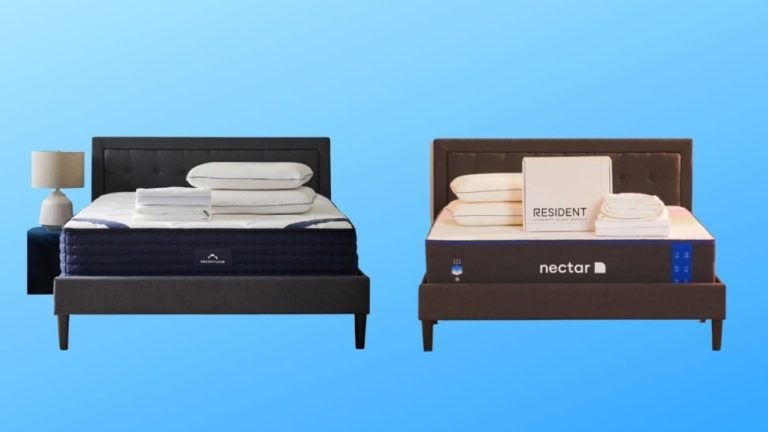
Dreamcloud Vs Nest: Ultimate Mattress Showdown for 2026
Choosing the right mattress can change how well you sleep and how energized you feel every day. If you’ve been torn between DreamCloud and Nest, you’re not alone.
Both promise comfort and support, but which one truly fits your needs? This guide will help you cut through the noise and find the mattress that matches your sleep style, budget, and preferences. Keep reading to discover which mattress will give you the restful nights you deserve.

Credit: www.sleepare.com
Mattress Design And Construction
The design and construction of a mattress affect how comfortable and durable it feels. DreamCloud and Nest both create mattresses with unique features. Understanding their materials and build helps you choose the right one for your sleep needs.
Each mattress uses layers designed for support, comfort, and temperature control. Let’s explore how these two mattresses differ in their design and construction.
Materials Used
DreamCloud uses a blend of memory foam, latex, and individually wrapped coils. The memory foam contours to the body. Latex adds bounce and breathability. The coils provide strong support and reduce motion transfer.
Nest focuses on natural and organic materials. Their mattresses often include organic cotton, wool, and natural latex. These materials help keep the bed cool and offer a softer feel. Nest avoids synthetic foams in many of their models.
Layer Composition
DreamCloud has multiple layers. It starts with a quilted cashmere cover for softness. Below, there is memory foam and latex layers for comfort. The pocket coils form the base, giving firm support.
Nest mattresses have fewer layers but focus on natural comfort. A wool layer helps with temperature regulation. Natural latex provides gentle support. The base layer often uses high-density foam or coils for durability.
Build Quality
DreamCloud’s hybrid design combines foam and coils for a balanced feel. The stitching and materials are durable, aiming for long-lasting use. Quality control is strict to ensure consistency.
Nest’s build quality highlights eco-friendly processes. They use hand-crafted techniques for some models. The focus is on natural strength and comfort rather than high-tech features. Their mattresses are built to last with natural resilience.
Comfort And Support
Comfort and support are key factors for a good night’s sleep. A mattress must balance softness and firmness. It should hold your body well while feeling cozy. Dreamcloud and Nest offer unique features in these areas. Let’s explore their firmness levels, pressure relief, and edge support.
Firmness Levels
Dreamcloud has a medium-firm feel. It suits those who want a blend of softness and support. Nest offers several firmness options. This helps sleepers find a mattress that fits their needs. Both brands cater to different preferences. Dreamcloud leans toward a firmer feel. Nest gives more choices for comfort.
Pressure Relief
Dreamcloud uses memory foam to ease pressure points. This helps reduce aches in hips and shoulders. Nest also uses foam layers to soften pressure. Their foams are designed to contour the body gently. Both mattresses aim to relieve pain and improve sleep quality. The difference lies in foam type and thickness.
Edge Support
Dreamcloud has strong edge support. It keeps the mattress firm at the sides. This allows more sleeping space and easier sitting. Nest’s edge support is good but softer. It offers comfort but less stability at the edges. Dreamcloud is better for those who use the full mattress surface.
Temperature Regulation
Temperature regulation is a key factor in choosing a mattress. It helps keep you comfortable throughout the night. Both Dreamcloud and Nest focus on this feature. Each mattress uses different ways to control heat and airflow. Understanding these can help you pick the right mattress for your needs.
Breathability Features
Dreamcloud uses a blend of materials that allow air to pass through easily. Its top layer includes cashmere and cotton, which feel soft and cool. These fabrics help wick away moisture and heat from your body.
Nest mattresses use natural latex and organic cotton covers. These materials are known for their breathability. They promote airflow and reduce heat build-up during sleep. This makes the mattress feel fresh and dry.
Cooling Technologies
Dreamcloud includes gel-infused memory foam. This gel helps absorb and disperse heat quickly. It keeps the mattress surface cooler for longer periods.
Nest uses an open-cell latex design. This design improves ventilation inside the mattress. It prevents hot air from being trapped and allows heat to escape fast.
Motion Isolation And Noise
Motion isolation and noise are key factors for a good night’s sleep. They affect how much you feel your partner’s movements and the sounds the mattress makes. Both Dreamcloud and Nest offer different experiences in these areas. Understanding their performance helps you pick the best mattress for rest and comfort.
Movement Absorption
Dreamcloud absorbs motion well. Its hybrid design with memory foam layers reduces movement transfer. You won’t feel much when your partner moves or gets up. Nest also does a good job but feels slightly firmer. This firmness can transmit some movement, especially if one person is very active at night. Dreamcloud is better for couples who want minimal disturbance.
Sound Levels
Both mattresses are quiet. Dreamcloud uses pocketed coils that rarely creak. The foam layers help keep noise low during movement. Nest also uses pocketed coils but can be a bit louder due to its firmer build. Neither mattress makes loud noises. You can sleep peacefully without worrying about mattress sounds waking you up.
Durability And Warranty
Durability and warranty are key factors to consider when choosing a mattress. They show how long the mattress will last and how well the company supports its product. Both DreamCloud and Nest offer strong options, but they differ in details. Let’s explore their lifespan expectations and warranty terms to help you decide.
Lifespan Expectations
DreamCloud mattresses are built with high-quality materials. They use a mix of memory foam and coils. This design helps the mattress keep its shape over time. Most users report good comfort even after several years.
Nest mattresses also use quality foams. They focus on pressure relief and support. Their mattresses tend to last long without sagging or losing comfort. Both brands promise durability but have slight differences in feel and support.
Warranty Terms
DreamCloud offers a 10-year warranty. This covers any defects in materials or workmanship. If the mattress has issues, they will repair or replace it.
Nest provides a 20-year warranty, which is longer than DreamCloud’s. It also covers defects and sagging beyond a certain depth. The longer warranty reflects Nest’s confidence in their mattress durability.
Both companies require proof of purchase and may ask for photos of the mattress problem. Understanding warranty rules helps protect your investment over time.

Credit: www.threebirdnest.com
Trial Period And Return Policy
The trial period and return policy are important factors when choosing a mattress. They give you time to test comfort and quality. A good policy lets you return the mattress if it does not meet your needs. DreamCloud and Nest both offer trial periods and return options, but they differ in length and process.
Trial Duration
DreamCloud offers a 365-night trial period. You get a full year to try the mattress. This allows plenty of time to adjust and decide if it suits you. Nest provides a 120-night trial. This is shorter but still enough to test comfort. Both companies give free shipping for the trial period.
Return Process
DreamCloud’s return process is simple. Contact customer service to start a return. They arrange for mattress pickup at no cost. You get a full refund after the mattress is returned. Nest also offers an easy return process. Just call their support team to begin. They handle the pickup and refund quickly. Both companies make returns hassle-free and aim for customer satisfaction.
Price Comparison And Value
Price plays a big role in choosing between DreamCloud and Nest mattresses. Both brands offer different features and benefits. Knowing their costs helps buyers find the best value for their money. This section breaks down the prices and shows the discounts available.
Cost Breakdown
DreamCloud mattresses start at a higher price point than Nest’s basic models. The cost depends on size and mattress type. DreamCloud offers hybrid mattresses with luxury materials. Nest focuses on foam and hybrid options with flexible firmness.
For a queen size, DreamCloud prices begin around $1,200. Nest mattresses start near $900 for similar sizes. Both brands have premium models that cost up to $2,000. The price difference often reflects the materials and technology used.
Discounts And Offers
DreamCloud frequently provides seasonal discounts and bundle deals. These reduce prices by 15% to 25%. Nest offers promotions, especially during holidays and sales events. Their discounts can lower costs by 10% to 20%.
Some retailers give free shipping or trial periods with no extra cost. Both brands also have financing options to spread out payments. Checking current deals helps buyers save money on either mattress.
Customer Feedback
Customer feedback reveals important insights about Dreamcloud and Nest mattresses. Real users share their experiences, showing what works well and what does not. This feedback helps potential buyers make better choices based on actual use.
Positive Reviews
Many customers praise Dreamcloud for its comfort and support. Users often mention how the mattress balances softness with firmness. It suits different sleep positions well. The cooling technology also receives positive comments for reducing heat during sleep.
Nest mattresses earn high marks for quality materials. Customers appreciate the handcrafted feel and durable build. Many report improved sleep quality and less back pain. The natural and organic options attract buyers who want eco-friendly products.
Common Complaints
Some Dreamcloud users find the mattress too firm or too soft. A few mention it retains heat despite cooling claims. Delivery delays and difficult returns come up in reviews. These issues affect overall satisfaction for some buyers.
Nest mattresses face criticism for high price points. Some customers feel the mattress is too firm initially. A few report a strong odor when first unpacked. Limited mattress sizes also frustrate certain buyers.
Suitability For Sleep Styles
Choosing the right mattress depends a lot on how you sleep. Different sleep styles need different mattress support and comfort. Dreamcloud and Nest mattresses offer unique features that suit various sleeping positions. Understanding these can help you pick the best mattress for restful nights.
Side Sleepers
Side sleepers need a mattress that cushions the shoulders and hips. Dreamcloud has a soft top layer that eases pressure points. Nest offers options with gentle contouring, which also helps with side sleeping comfort. Both mattresses support spinal alignment well for side sleepers.
Back Sleepers
Back sleepers require firm support to keep the spine straight. Dreamcloud provides a balanced feel with its hybrid design, which supports the lower back. Nest mattresses come in firmer models that hold the body well. Each mattress helps prevent back pain by offering good lumbar support.
Stomach Sleepers
Stomach sleepers need a firm mattress to avoid sinking too deep. Dreamcloud’s firm base layer keeps the body lifted and steady. Nest’s firmer choices also keep the hips from dropping. Both mattresses help keep the neck and spine aligned for stomach sleepers.

Credit: www.sleepare.com
Frequently Asked Questions
What Are The Key Differences Between Dreamcloud And Nest Mattresses?
DreamCloud offers hybrid construction with memory foam and coils, providing firm support. Nest focuses on all-foam designs, emphasizing softness and contouring. DreamCloud suits back sleepers; Nest fits side sleepers. Both have excellent durability but vary in price and firmness levels.
Which Mattress Is Better For Back Pain: Dreamcloud Or Nest?
DreamCloud is generally better for back pain due to its firm support and coil system. Nest offers softer options that may benefit side sleepers but might lack sufficient lumbar support. Choose based on your preferred sleeping position and pain sensitivity.
How Do Dreamcloud And Nest Mattresses Compare In Price?
DreamCloud mattresses are moderately priced, offering luxury features at a mid-range cost. Nest mattresses tend to be slightly more affordable with fewer premium materials. Both brands offer promotions, so prices can vary depending on sales and mattress models.
Are Dreamcloud And Nest Mattresses Suitable For All Sleep Positions?
DreamCloud suits back and stomach sleepers due to its firm support. Nest is ideal for side sleepers because of its softer feel. Both mattresses can accommodate various sleepers but excel in different positions based on firmness and material.
Conclusion
Choosing between Dreamcloud and Nest depends on your personal needs. Both offer comfort and support for a good night’s sleep. Dreamcloud blends memory foam and coils for balanced feel. Nest uses foam layers designed for pressure relief. Price and warranty vary, so consider your budget.
Think about firmness and sleeping style too. Either mattress can improve your rest. Take time to decide what fits you best. Sweet dreams start with the right mattress choice.