
Pillow Protector Vs Case: Ultimate Guide to Sleep Hygiene Benefits
Are you confused about the difference between a pillow protector and a pillowcase? You’re not alone.
Many people use these terms interchangeably, but they serve very different purposes. Choosing the right one can make a big difference in how clean, comfortable, and long-lasting your pillows stay. Keep reading to discover what each does, why you might need both, and how to pick the best option for your sleep and health.
Your pillow—and your sleep—will thank you.

Credit: imaa.net
Pillow Protector Basics
Pillow protectors are essential for keeping pillows clean and lasting longer. They act as a shield between your pillow and dirt, sweat, or spills. Knowing the basics helps you choose the right protector for your needs.
Material Types
Pillow protectors come in different materials. Cotton is soft and breathable, good for everyday use. Polyester is durable and resists wrinkles. Some protectors have a waterproof layer to block liquids. Bamboo fabric offers natural breathability and is gentle on skin.
Common Features
Most protectors fit snugly around pillows with elastic edges or zippers. They are easy to remove and wash. Many are hypoallergenic, helping to reduce dust mites and allergens. Protectors are made to be quiet so they don’t disturb your sleep.
Protection Benefits
Protectors guard pillows against stains and spills. They help stop dust mites and allergens from building up. This keeps pillows fresher and healthier longer. Using a protector also reduces the need to wash pillows often. It saves money by extending pillow life.
Credit: amerisleep.com
Pillow Case Essentials
Pillow cases are more than just covers. They protect your pillow from dirt and sweat. They also add comfort and style to your sleep space. Choosing the right pillow case matters for good rest and pillow care.
Different pillow cases offer unique benefits. Knowing these can help you pick one that suits your needs. Key points include fabric type, design, and comfort.
Fabric Varieties
Pillow cases come in many fabrics. Cotton is soft and breathable, good for hot sleepers. Polyester lasts long and resists wrinkles. Silk feels smooth and gentle on skin and hair. Linen is strong and cool but wrinkles easily. Each fabric gives a different sleep experience.
Design And Style
Design affects how pillow cases look and work. Some have zippers to keep pillows secure. Others use envelope closures for easy removal. Patterns and colors add to bedroom decor. Plain cases suit minimalist styles. Bright prints bring energy to the room.
Comfort Factors
Comfort depends on fabric feel and breathability. Soft materials reduce skin irritation. Breathable fabrics keep you cool through the night. Some pillow cases wick moisture away. Smooth surfaces help reduce hair breakage. Comfort improves sleep quality and restfulness.
Hygiene Impact
Maintaining cleanliness in your sleeping space affects your health and comfort. Hygiene impacts how well you rest and avoid skin or breathing problems. Pillows attract sweat, oils, and dirt over time. Protectors and cases play different roles in keeping your pillow clean.
Allergen Control
Pillow protectors block allergens like pet dander and pollen. They form a barrier between you and the pillow. Cases may not stop small allergens from passing through. Protectors help reduce allergy symptoms by limiting exposure.
Dust Mite Prevention
Dust mites thrive in warm, moist places like pillows. Protectors create a tight cover that dust mites cannot penetrate. Cases often have a looser weave, allowing mites inside. Using a protector lowers the risk of dust mite buildup.
Moisture Management
Sweat and moisture soak into pillows quickly. Protectors resist moisture and keep pillows dry. This prevents mold and bacteria growth inside the pillow. Cases absorb moisture but do not stop it from reaching the pillow.
Durability And Maintenance
Durability and maintenance are key factors when choosing between a pillow protector and a pillowcase. Both protect your pillow but have different strengths. Understanding how each holds up over time helps you make a smart choice. This section explains how to clean, compare longevity, and assess wear and tear for both.
Cleaning Tips
Pillow protectors need regular washing to keep allergens away. Most protectors are machine washable on a gentle cycle. Use mild detergent and cold water to avoid damage. Avoid bleach as it can weaken fabric fibers.
Pillowcases also require frequent washing to remove dirt and oils. Wash pillowcases with similar colors on warm or cold settings. Use a gentle detergent to keep the fabric soft. Change pillowcases at least once a week for freshness.
Longevity Comparison
Pillow protectors last longer because they are made from tougher materials. They resist stains and spills better than pillowcases. Protectors often have waterproof layers that increase lifespan.
Pillowcases wear out faster due to daily contact with skin and hair. They fade, thin, and tear after many washes. Replacing pillowcases regularly keeps your bedding clean and fresh.
Wear And Tear
Pillow protectors resist wear and tear well. Their strong fabric holds up against frequent washing and use. Small tears or holes are rare with good quality protectors.
Pillowcases show signs of wear faster. Fraying edges and thinning fabric are common. Rough washing or drying can worsen damage. Handle pillowcases gently to extend their life.
Health And Sleep Quality
Choosing between a pillow protector and a pillowcase affects more than just cleanliness. It also impacts your health and how well you sleep. Both protectors and cases play roles in keeping your pillow safe. Yet, their effects on your skin, breathing, and comfort differ.
Skin Health
Pillow protectors block dust mites and allergens. These irritants can cause skin redness and itching. Protectors also prevent sweat and oils from reaching your pillow. This helps reduce acne and skin irritation. Pillowcases come in many fabrics. Some fabrics may trap oils and dirt. Choosing the right cover supports clearer skin.
Respiratory Benefits
Breathing clean air at night matters. Pillow protectors reduce allergens that cause sneezing and coughing. They create a barrier against dust mites and mold. This barrier helps people with asthma or allergies breathe easier. Pillowcases may not stop allergens as well. A good protector improves air quality near your face.
Sleep Comfort
Softness and breathability affect sleep comfort. Pillowcases offer a soft surface for your head. Some cases use cotton or silk for smooth feel. Protectors focus on blocking moisture and allergens. They may feel less soft but keep the pillow fresh. Combining both can give comfort and protection at once.
Choosing Between Protector And Case
Choosing between a pillow protector and a pillowcase depends on several factors. Both serve to keep your pillow clean but offer different benefits. Understanding these differences helps you pick the best option for your needs. Consider your budget, lifestyle, and personal preferences before making a choice.
Budget Considerations
Pillow protectors tend to cost more than regular pillowcases. They often use special materials that add protection and durability. Pillowcases are usually cheaper and easy to replace. Think about how much you want to spend on pillow care. A higher price can mean better protection for your pillow’s life.
Lifestyle Needs
Your daily habits affect the best choice for you. If you sweat a lot or have allergies, a pillow protector is helpful. It blocks dust, sweat, and spills more effectively. For people with a simple routine, a pillowcase might be enough. Also, pillow protectors can be harder to clean than pillowcases.
Personal Preferences
Choose based on what feels best for you. Pillowcases come in many colors and designs to match your room. Pillow protectors are usually plain and less soft. Some people want extra comfort, so they pick a soft pillowcase over a protector. Others prefer the peace of mind that a protector provides.

Credit: www.youtube.com
Frequently Asked Questions
What Is The Difference Between A Pillow Protector And Case?
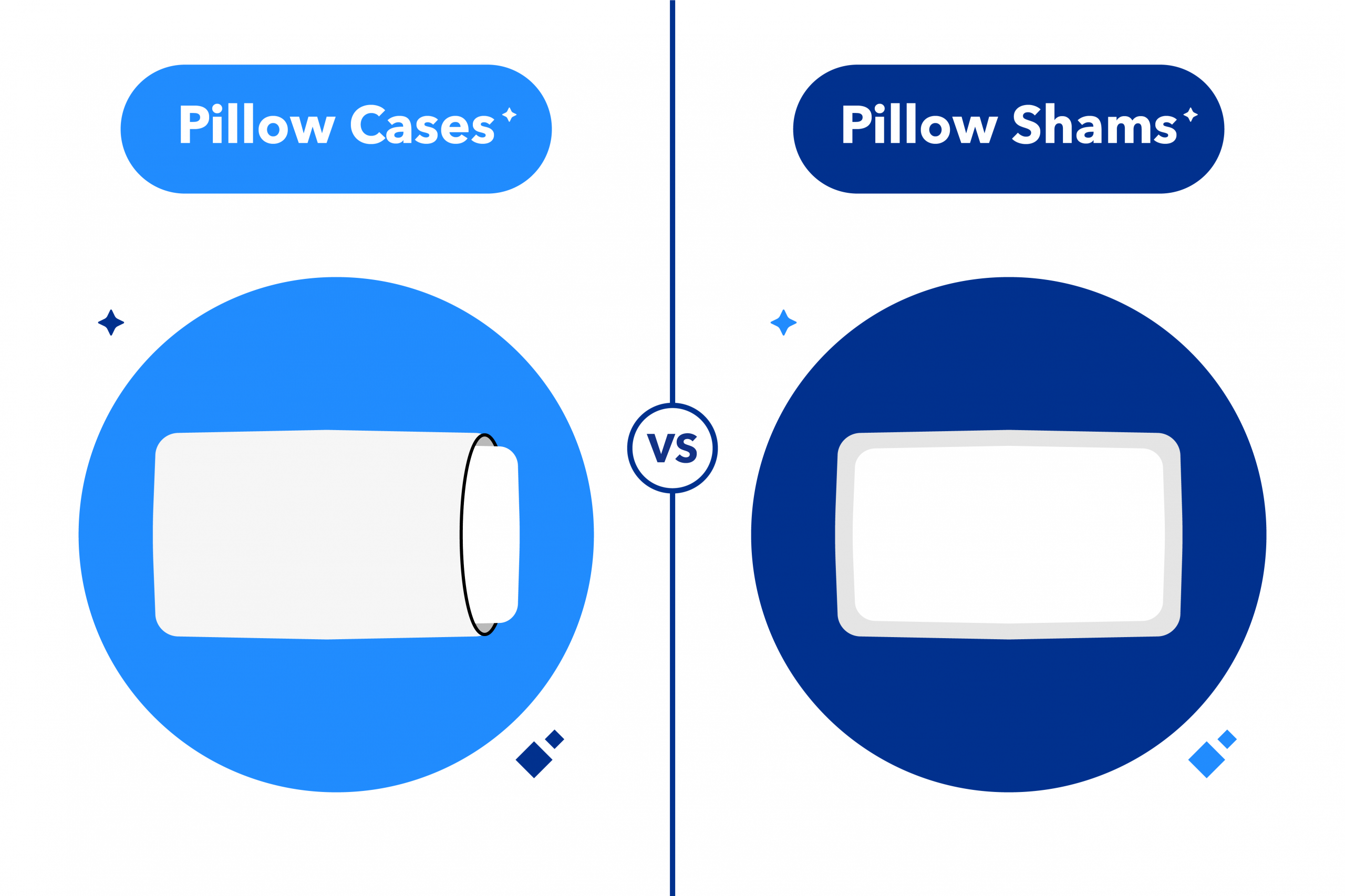
A pillow protector shields pillows from stains, allergens, and dust mites. A pillowcase mainly covers pillows for style and comfort. Protectors are usually waterproof or allergen-resistant, while cases focus on softness and aesthetics.
Do Pillow Protectors Improve Pillow Lifespan?
Yes, pillow protectors extend pillow life by preventing dirt and moisture buildup. They protect against sweat, spills, and allergens, keeping pillows clean and fresh longer.
Can I Wash Pillow Protectors And Cases Together?
Yes, both can be washed together if fabric care instructions match. Use gentle detergent and cold water to maintain fabric quality and protection features.
Are Pillow Protectors Necessary For Allergy Sufferers?
Absolutely. Pillow protectors block dust mites, pet dander, and allergens effectively. They create a barrier that reduces allergy symptoms during sleep.
Conclusion
Choosing between a pillow protector and a pillowcase depends on your needs. Pillow protectors guard against stains, dust, and allergens. Pillowcases mainly add style and comfort. Both help keep pillows clean and last longer. Use a protector for extra defense, especially if allergies bother you.
Use a pillowcase to match your bedding and feel soft. Knowing the difference helps you pick the best option. Take care of your pillows, and they will take care of you. Simple steps make a big difference in sleep quality.