Millet Pillow Vs Buckwheat Pillow: Ultimate Comfort Showdown
Choosing the right pillow can change how well you sleep and how refreshed you feel each morning. If you’ve been searching for a natural, supportive pillow, you’ve probably come across millet pillows and buckwheat pillows.
But which one is truly better for your comfort and health? You’ll discover the key differences between millet and buckwheat pillows, helping you make a smart choice that matches your unique needs. Keep reading to find out which pillow can give you the best night’s sleep you’ve been dreaming of.

Credit: www.pinetales.com
Millet Pillow Basics
Millet pillows offer a natural and healthy choice for sleep support. They use small millet grains as filling. These grains adjust to your head and neck shape. They provide gentle support without feeling too hard or soft. Understanding the basics helps you decide if a millet pillow fits your needs.
Here is a closer look at the key features of millet pillows.
Material And Fill
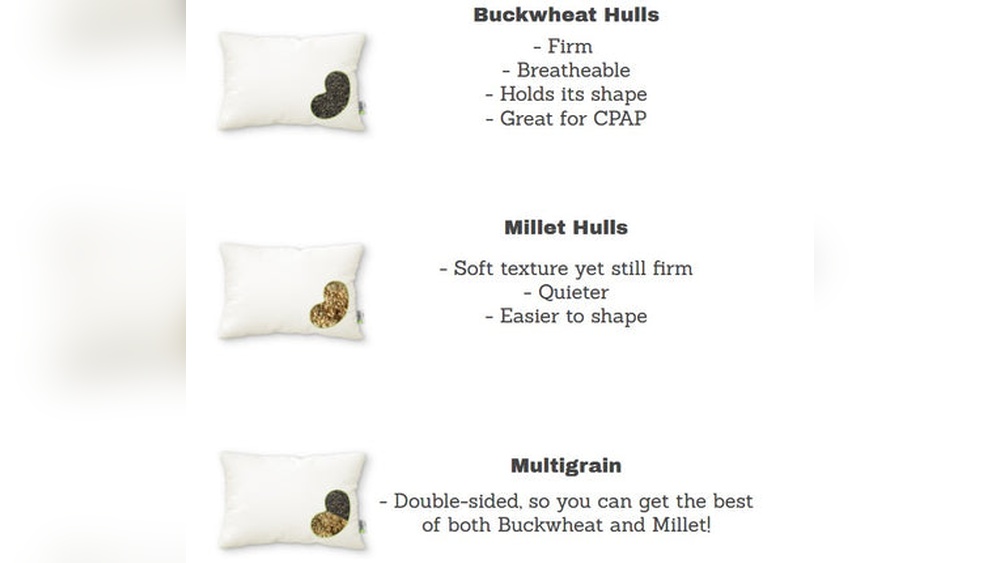
Millet pillows are filled with tiny millet hulls. These hulls are the outer shells of millet seeds. The pillow cover is usually made of cotton or linen. This keeps the pillow natural and breathable. The millet hulls move inside the pillow, allowing it to mold to your shape.
Comfort And Support
The millet grains create firm but flexible support. They help keep your neck aligned while you sleep. The pillow adjusts easily when you change positions. It is neither too stiff nor too soft. This makes millet pillows good for many types of sleepers.
Breathability And Temperature
Millet hulls allow good air flow inside the pillow. This helps keep the pillow cool during the night. It reduces sweating and heat build-up. Natural materials also wick away moisture. The pillow stays fresh and comfortable all night long.

Credit: brettsnaturalhealth.com
Buckwheat Pillow Basics
Buckwheat pillows have grown in popularity for good reasons. They offer natural support and comfort. Many people choose them over synthetic pillows. Their unique fill and structure help improve sleep quality.
Understanding the basics of buckwheat pillows can guide your choice. This section covers the material, comfort, and breathability of these pillows.
Material And Fill
Buckwheat pillows are filled with hulls from buckwheat seeds. These hulls are small, lightweight, and firm. They shift easily to fit your head and neck shape. The outer cover is often made from cotton or linen. Both materials are soft and durable. The natural fill makes these pillows eco-friendly and hypoallergenic.
Comfort And Support
Buckwheat hulls provide firm, adjustable support. They keep your head and neck aligned. This helps reduce pain and stiffness. You can add or remove hulls to change pillow height. The firmness prevents the pillow from flattening. It supports side, back, and stomach sleepers well.
Breathability And Temperature
Buckwheat pillows allow air to flow freely. The hulls create small gaps for ventilation. This helps keep the pillow cool all night. It reduces heat build-up and sweat. Breathability makes these pillows a good choice for warm sleepers. The natural material also resists dust mites and mold growth.
Comparing Comfort Levels
Comfort is a key factor when choosing between millet and buckwheat pillows. Each pillow offers a unique feel and support. Knowing their differences helps you pick the right one for better sleep.
Comfort affects how well you rest and how refreshed you feel. Both pillows suit different needs and preferences. Let’s explore how they compare in comfort levels.
Firmness And Adjustability
Millet pillows feel softer and lighter. They have a gentle firmness that supports the head without too much pressure.
Buckwheat pillows are firmer and heavier. Their hulls create a solid base that molds to your head shape.
Both pillows allow some adjustability. You can add or remove filling to change the height and firmness. Buckwheat pillows usually offer more precise adjustment.
Pressure Relief
Millet pillows cushion the head softly. They help reduce light pressure points but may not support heavy pressure well.
Buckwheat pillows provide strong pressure relief. The hulls spread out to ease pressure on the neck and shoulders.
This makes buckwheat pillows better for those with neck pain or stiffness.
Suitability For Sleep Positions
Millet pillows suit back and stomach sleepers. Their soft nature keeps the head in a gentle position.
Buckwheat pillows fit side and back sleepers. Their firmness keeps the spine aligned during sleep.
Stomach sleepers may find buckwheat pillows too firm and high.
Health And Allergy Factors
Health and allergy concerns are important when choosing a pillow. Both millet and buckwheat pillows offer natural filling options. Each type affects your health and allergies differently. Understanding these differences helps you pick the best pillow for a good night’s sleep.
Hypoallergenic Properties
Millet pillows are often hypoallergenic. They rarely cause skin irritation or allergic reactions. Buckwheat pillows also have natural fillings but may trigger allergies in sensitive people. Buckwheat hulls contain proteins that can cause mild reactions. Millet pillows are usually safer for allergy sufferers.
Dust Mite Resistance
Dust mites thrive in warm, moist environments. Buckwheat pillows resist dust mites well because they allow air to flow freely. Millet pillows also have good air circulation, which helps reduce dust mite growth. Both pillows limit dust mite buildup better than synthetic pillows.
Maintenance And Cleaning
Cleaning millet and buckwheat pillows is simple but different. Millet pillows need gentle washing and drying to avoid damage. Buckwheat hulls cannot be washed; they need to be aired out regularly. Both pillows require regular care to stay fresh and hygienic.
Durability And Longevity
Durability and longevity are key factors when choosing between millet and buckwheat pillows. These qualities affect how long the pillow keeps its shape and comfort. A pillow that lasts saves money and provides consistent support.
Both millet and buckwheat hulls are natural materials. Their wear and tear depend on use and care. Understanding these differences helps you pick the best pillow for long-term use.
Wear And Tear
Millet pillows tend to compress faster. Their small hulls break down with daily pressure. Over time, the pillow feels less supportive and softer.
Buckwheat pillows resist wear better. The hulls are larger and harder. They keep shape and firmness for a longer time. You may notice less flattening compared to millet pillows.
Both pillows can develop small noises from hull movement. Buckwheat pillows often have a rustling sound. This is normal and does not affect durability.
Refill And Replacement Options
Millet pillows usually do not offer easy refill options. Once the hulls break down, the pillow often needs replacement. Buying a new pillow may be necessary after a year or two.
Buckwheat pillows allow easy refilling. You can add or replace hulls to restore firmness. This feature extends the pillow’s life significantly.
Refilling also lets you adjust pillow height and comfort. Buckwheat pillows provide more flexibility for long-term use.
Cost And Value
Choosing the right pillow means thinking about cost and value. Both millet and buckwheat pillows offer unique benefits. Their prices and durability vary. Knowing these differences helps you make a smart choice.
Price Range
Millet pillows usually cost less than buckwheat pillows. You can find millet options starting at a low price. Buckwheat pillows often have a higher price tag. This is because of the natural hulls inside. Prices depend on size and brand too.
Long-term Investment
Buckwheat pillows last longer due to sturdy hulls. They keep their shape well over time. Millet pillows may flatten faster and need replacing sooner. Spending more on a buckwheat pillow can save money later. Think about how often you want to buy a new pillow.
User Preferences And Reviews
User preferences and reviews highlight how millet and buckwheat pillows meet different needs. These pillows offer unique comfort and support. People share honest opinions on their sleep quality and ease of use. Understanding these reviews helps decide which pillow suits you best.
Common Feedback On Millet Pillows
Many users like millet pillows for their light weight. They feel softer than buckwheat pillows. The pillows adjust well to the head and neck. Some mention a slight grainy texture but say it is not bothersome. Millet pillows are praised for their breathability and cooling effect. A few users notice the millet shifts inside, needing occasional fluffing. Overall, people find them comfortable for side and back sleepers.
Common Feedback On Buckwheat Pillows
Buckwheat pillows get high marks for firm support. Users say they help reduce neck pain and stiffness. The hulls inside create a unique crunching sound. Some find this noise relaxing, while others do not. Buckwheat pillows hold their shape well and do not flatten easily. Many users appreciate the pillow’s natural and eco-friendly feel. Some mention these pillows are heavier and take time to get used to.

Credit: centromedicoloira.com
Frequently Asked Questions
What Is The Main Difference Between Millet And Buckwheat Pillows?
Millet pillows use smooth millet hulls, offering softness. Buckwheat pillows use buckwheat hulls, providing firm support. Both offer natural, breathable filling but differ in texture and firmness.
Which Pillow Is Better For Neck Pain Relief?
Buckwheat pillows are generally better for neck pain. Their firm hulls conform to the neck’s shape, providing stable support and alignment. Millet pillows are softer and less supportive for pain relief.
Are Millet Pillows Hypoallergenic Compared To Buckwheat?
Yes, millet pillows are often more hypoallergenic. Millet hulls attract fewer allergens and dust mites than buckwheat hulls. Both are natural, but millet may suit allergy sufferers better.
How Long Do Millet And Buckwheat Pillows Last?
Buckwheat pillows typically last 3-5 years with good care. Millet pillows have a shorter lifespan, usually 2-3 years. Proper maintenance extends durability for both types.
Conclusion
Both millet and buckwheat pillows offer unique benefits for better sleep. Millet pillows feel softer and lighter, while buckwheat pillows provide firmer support. Choose based on your comfort and neck needs. Both pillows help keep your head cool at night.
Consider your sleeping style to pick the best fit. Either option can improve your rest and reduce discomfort. Simple, natural choices for a peaceful night’s sleep.