
Pillow Top Vs Tight Top: Ultimate Comfort Showdown Revealed
Choosing the right mattress can make a huge difference in how well you sleep and how you feel each day. If you’ve ever wondered whether a pillow top or a tight top mattress is better for you, you’re not alone.
Both have their own unique benefits, but which one truly matches your comfort needs and sleeping style? You’ll discover the key differences between pillow top and tight top mattresses, helping you make a choice that supports your best night’s rest.
Keep reading to find out which mattress type fits your lifestyle perfectly.
Credit: www.mattressclarity.com
Pillow Top Mattresses
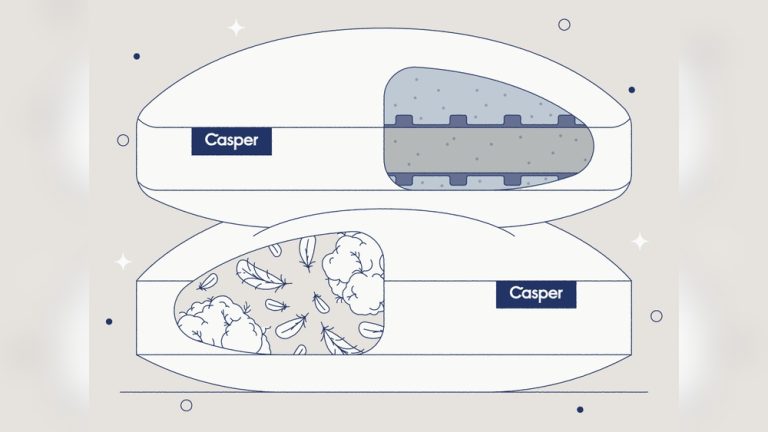
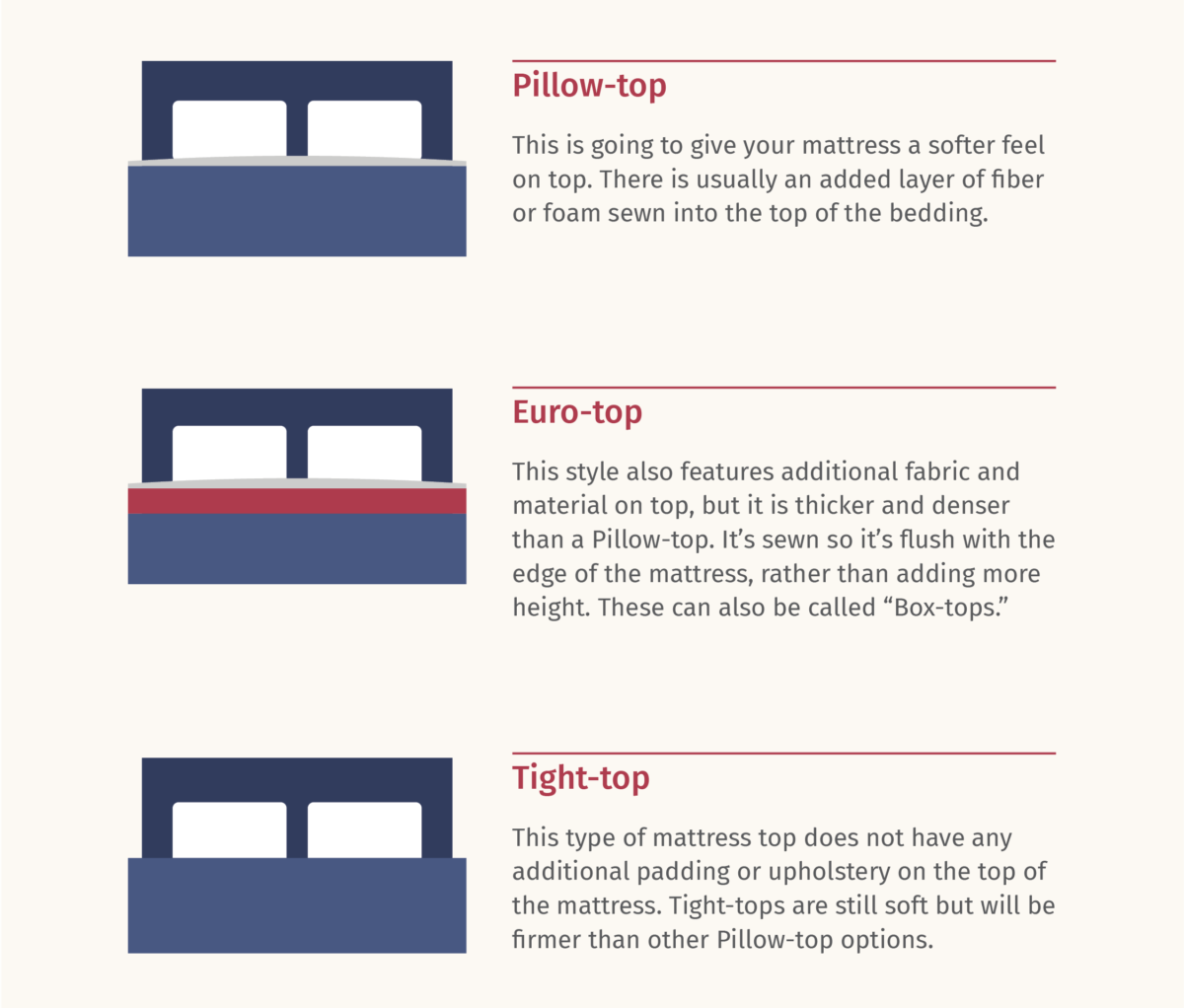
Pillow top mattresses are popular for their soft, cushioned surface. They add an extra layer sewn on top of the mattress. This layer often contains foam, fiberfill, or other soft materials. Pillow tops create a plush feel that many find comforting.
These mattresses blend softness with the support below. They aim to reduce pressure points on your body. Many people enjoy the cozy, cloud-like experience. Pillow tops can make a mattress feel more inviting and gentle.
Design And Construction
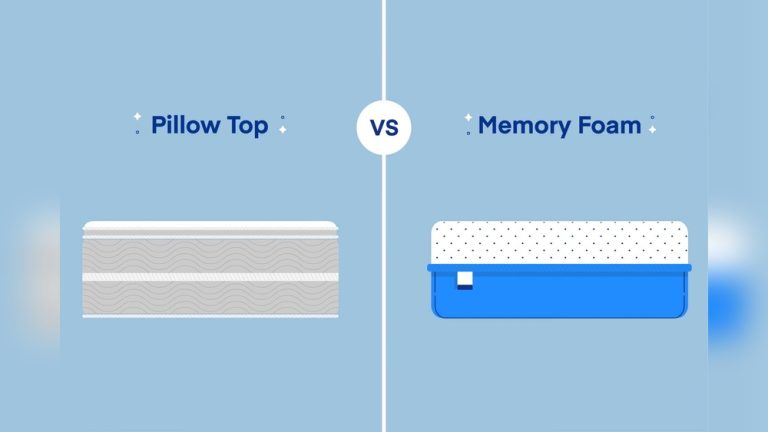
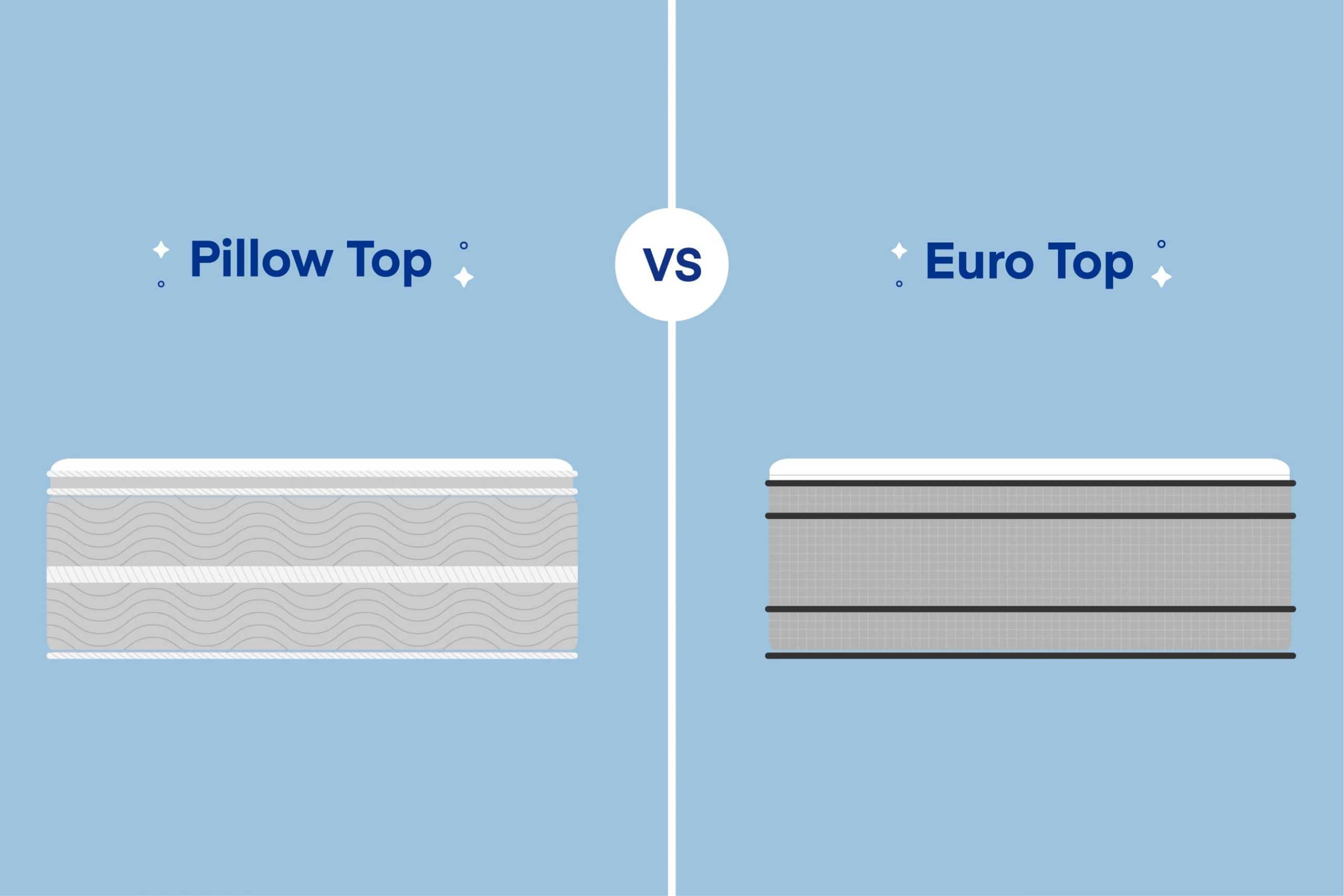
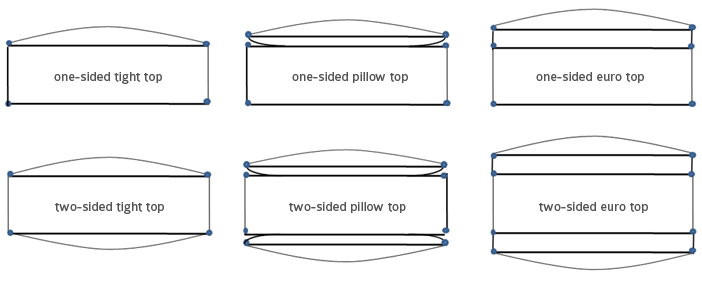
Pillow top mattresses feature a thick, padded layer stitched on top. This layer usually includes memory foam, latex, or fiberfill. The base mattress is made of innerspring coils or foam. The pillow top adds softness without losing support. The stitching keeps the top layer in place. It creates a visible, raised surface compared to tight top models.
Comfort And Support
The pillow top layer offers extra cushioning for comfort. It helps ease pressure on hips and shoulders. This soft surface feels gentle against the skin. The mattress underneath provides firm support to keep the spine aligned. This balance helps reduce aches and improve sleep quality. Pillow tops suit sleepers who want softness without too much sink.
Pros And Cons
Pros include a plush, comfortable sleeping surface. Pillow tops reduce pressure points and improve comfort. They often feel warmer due to extra padding. Cons can be sagging over time if quality is low. Pillow tops may wear out faster than tight tops. They can be harder to clean because of extra layers. Prices tend to be higher than standard mattresses.
Ideal Sleepers
Pillow top mattresses suit side sleepers well. They cushion shoulders and hips to prevent pain. People who prefer a softer feel enjoy pillow tops. Those with joint or pressure pain may find relief. Light to medium-weight sleepers benefit most from pillow tops. They are less ideal for stomach sleepers who need firmer support.
Credit: amerisleep.com
Tight Top Mattresses
Tight top mattresses offer a smooth, flat surface without extra padding. They give a firmer feel, making them popular for those who want solid support. These mattresses focus on providing a stable sleeping surface that helps maintain proper spine alignment. Many people prefer tight top mattresses because they avoid the soft, cushioned layers found in pillow top styles.
Design And Construction
Tight top mattresses have a simple design with a flat surface. They do not include extra layers of padding or quilting on top. The mattress surface is firm and even, made from materials like foam, latex, or innerspring coils. This design helps keep the mattress durable and supportive over time. The cover is usually thin and smooth, without extra fluff.
Firmness And Support
Tight top mattresses usually feel firmer than pillow tops. They provide strong support for the back and body. This firmness helps reduce sinking and keeps the spine straight. It is ideal for people who need solid support to avoid back pain. Tight top mattresses also help distribute weight evenly across the bed.
Pros And Cons
Pros include firm support and durability. Tight tops tend to last longer because of their simple design. They also stay cooler since there is less padding. Cons include less cushioning and softness. Some sleepers may find them too hard or uncomfortable. They do not offer the plush feel that pillow tops provide.
Ideal Sleepers
Tight top mattresses suit back and stomach sleepers best. These positions benefit from firm support to keep the spine aligned. People with back pain often prefer tight tops for extra stability. Those who sleep hot may like the cooler surface. Firm mattress lovers also enjoy the steady feel of tight tops.
Comfort Comparison
Comfort plays a key role in choosing between pillow top and tight top mattresses. Both have unique features that affect how you feel while sleeping. Understanding these differences helps you find the best fit for your needs.
Pressure Relief
Pillow top mattresses offer extra cushioning with a soft layer on top. This helps reduce pressure on hips and shoulders. It suits side sleepers or people with joint pain. Tight top mattresses feel firmer and provide more support. They keep your spine aligned but may not ease pressure as much.
Motion Isolation
Pillow top mattresses absorb movement better. This means less disturbance if your partner moves at night. Tight top mattresses transfer motion more easily. Light sleepers may notice more movement with this type. Couples often prefer pillow tops for quieter sleep.
Temperature Regulation
Tight top mattresses usually allow better airflow. They help keep you cooler during sleep. Pillow tops can trap heat due to extra padding. Some pillow tops use breathable materials to reduce warmth. Temperature control matters for a comfortable night’s rest.
Credit: blog.originalmattress.com
Durability And Maintenance
Durability and maintenance are key factors when choosing between pillow top and tight top mattresses. These aspects affect how long your mattress lasts and how easy it is to keep clean. Understanding the differences can help you make a better choice for your home and sleep quality.
Lifespan Differences
Pillow top mattresses usually wear out faster than tight top ones. The extra layer of padding can flatten over time. This leads to less support and comfort. Tight top mattresses tend to hold their shape longer. They have fewer soft layers that can sag or compress. Proper care can extend both types, but tight top mattresses often last longer by nature.
Cleaning Tips
Both mattress types need regular cleaning to stay fresh. Use a vacuum cleaner to remove dust and dirt weekly. Spot clean stains with a mild detergent and water. Avoid soaking the mattress to prevent damage. Rotate your mattress every few months to reduce uneven wear. Use a mattress protector to guard against spills and dust mites. This simple step helps keep your mattress cleaner and healthier.
Price And Value
Price and value play a big role in choosing between pillow top and tight top mattresses. Both types have different costs and benefits. Understanding these helps you make the best choice for your budget and comfort needs.
Cost Breakdown
Pillow top mattresses usually cost more than tight top mattresses. The extra layer of padding adds to the price. Materials like memory foam or latex in pillow tops increase costs further. Tight top mattresses have a simpler design. They use fewer materials, making them cheaper. Basic models can fit smaller budgets well. Premium tight tops may approach pillow top prices but stay lower overall.
Long-term Investment
Pillow tops offer more comfort, which may help with better sleep. Better sleep can improve health and mood. This adds value beyond the price. Pillow tops may wear out faster due to softer materials. Tight tops last longer because they have firmer surfaces. They keep shape and support for years. Choosing the right mattress depends on how much comfort or durability matters most. Think about how long you plan to use the mattress before buying.
Choosing The Right Mattress
Choosing the right mattress affects your sleep quality and health. Each mattress type offers a different feel and support level. Pillow top mattresses have extra padding on top. Tight top mattresses have a firm, flat surface.
Think about what makes you comfortable. Consider your body needs and how long you plan to keep the mattress. These factors help find the best mattress for you.
Personal Sleep Preferences
Some people like soft mattresses with extra cushioning. Pillow top mattresses provide a plush, cozy feel. Others prefer firmer surfaces that hold the body firmly. Tight top mattresses offer solid support and less sink.
Your sleeping position matters too. Side sleepers often enjoy pillow tops for pressure relief. Back sleepers may find tight tops better for spine alignment. Choose a mattress that matches your comfort style.
Health Considerations
Mattresses impact body pain and sleep quality. Pillow tops can ease pressure points for joint pain. Tight tops help keep the spine straight, reducing back pain.
People with allergies should check mattress materials. Some pillow tops may trap dust more than tight tops. Choose hypoallergenic options if allergies are a concern. Always think about your health needs when picking a mattress.
Trial And Return Policies
Many brands offer trial periods to test mattresses at home. Use this time to check comfort and support. Return options allow changing the mattress if it doesn’t fit your needs.
Check the return rules before buying. Some mattresses have free returns, others may charge fees. A good trial and return policy reduces risk. It helps you find the right mattress without extra stress.
Frequently Asked Questions
What Is The Main Difference Between Pillow Top And Tight Top?
Pillow top mattresses have an extra layer of padding sewn on top. Tight top mattresses have a smooth, firm surface without added cushioning. Pillow tops offer more softness, while tight tops provide firmer support.
Which Mattress Type Is Better For Back Pain?
Tight top mattresses are generally better for back pain. They provide firm, consistent support that keeps the spine aligned. Pillow tops may feel softer but can lack necessary support for some back issues.
Are Pillow Top Mattresses More Expensive Than Tight Tops?
Yes, pillow top mattresses usually cost more. The added cushioning and materials increase production costs. Tight top mattresses are simpler and often more affordable.
How Long Do Pillow Top Mattresses Typically Last?
Pillow top mattresses last around 7 to 10 years. The extra padding may compress faster than tight top mattresses. Proper care and rotation can extend their lifespan.
Conclusion
Choosing between pillow top and tight top depends on your comfort needs. Pillow tops offer extra softness and cushioning. Tight tops provide firm support and durability. Consider your sleeping style and body type before deciding. Both types have benefits for a good night’s rest.
Test them if possible to find what feels best. Sleep well matters most, so pick what suits you.