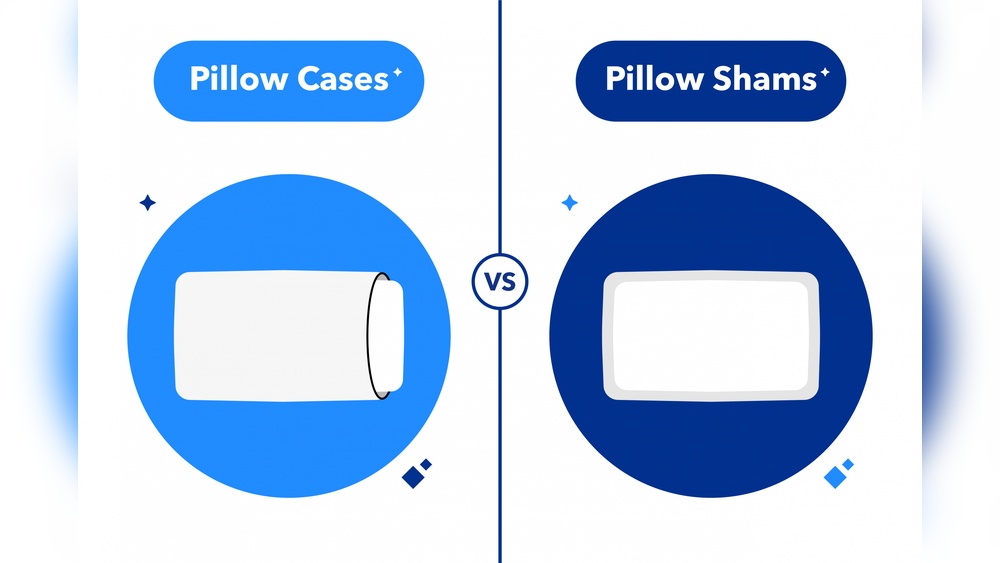
Pillow Case Vs Pillow Cover: Ultimate Guide to Key Differences
Are you confused about the difference between a pillow case and a pillow cover? You’re not alone.
Many people use these terms interchangeably, but knowing the difference can make a big impact on your comfort and the life of your pillows. If you want to protect your pillows, improve your sleep, and keep your bedroom looking fresh, understanding which one to choose is key.
Keep reading, and by the end of this article, you’ll know exactly what works best for you and why it matters.
Pillow Case Basics
Pillow cases are simple yet important for a good night’s sleep. They cover your pillow and protect it from dirt and oils. Choosing the right pillow case improves comfort and keeps your bedding fresh.
Understanding pillow case basics helps you pick the best option for your needs. This includes knowing about materials, sizes, and design styles.
Material Types
Pillow cases come in many materials. Cotton is soft and breathable. It feels cool and lasts long. Polyester is cheaper and resists wrinkles. Silk pillow cases feel smooth and help reduce hair frizz. Linen is strong and absorbs moisture well. Each material offers different benefits for comfort and care.
Common Sizes
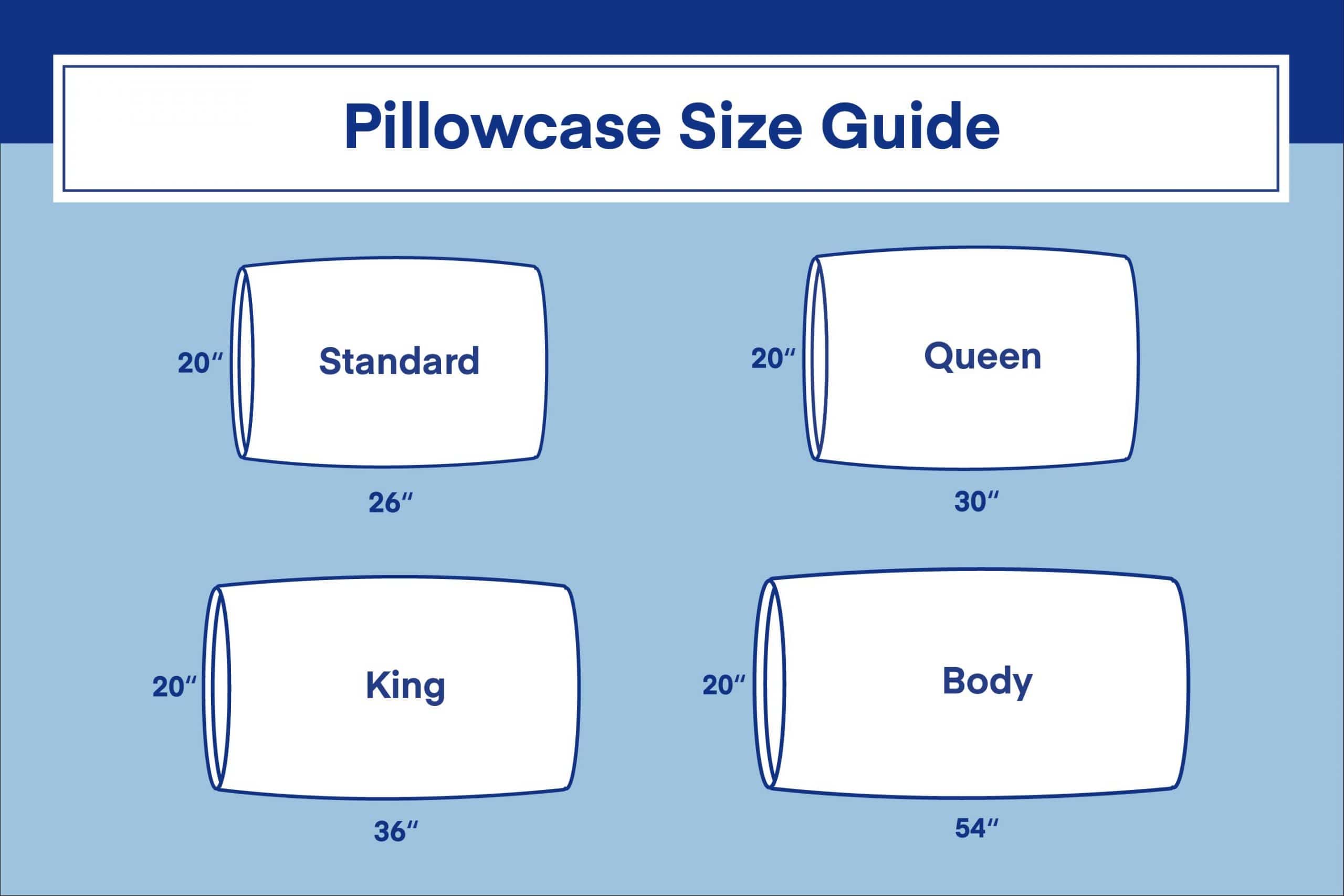
Pillow cases come in standard, queen, and king sizes. Standard fits most pillows around 20 by 26 inches. Queen cases are a bit longer, about 20 by 30 inches. King size pillow cases measure around 20 by 36 inches. Checking pillow size ensures the case fits well without slipping off.
Design And Style
Designs vary from plain to patterned. Solid colors match any bedroom decor. Printed pillow cases add personality and style. Some have embroidery or lace for a fancy look. Simple designs suit everyday use. Stylish cases can change a room’s feel quickly.
Pillow Cover Essentials
Pillow covers play a key role in home comfort and style. They protect your pillows and add a fresh look. Choosing the right pillow cover is important for both function and design.
This section explains the essentials of pillow covers. It covers their purpose, materials, and design variety.
Purpose And Function
Pillow covers protect pillows from dirt, dust, and stains. They help keep pillows clean for longer. Some covers also add a layer of softness. Covers make pillow cleaning easier. Instead of washing the whole pillow, you wash only the cover. This saves time and effort. Covers can also change the look of a room quickly.
Materials Used
Pillow covers come in many materials. Cotton is soft, breathable, and easy to clean. Linen offers a cool, natural feel. Polyester covers are durable and resist wrinkles. Velvet covers add a touch of luxury. Some covers blend fabrics for better comfort and strength. Choosing the right material depends on your needs and style.
Variety Of Designs
Pillow covers come in many colors and patterns. You can find solid colors, stripes, and floral prints. Some covers have embroidery or decorative elements. Designs suit different home styles, from modern to traditional. Changing covers lets you refresh your room’s look anytime. This variety helps you match covers with other decor easily.
Key Differences
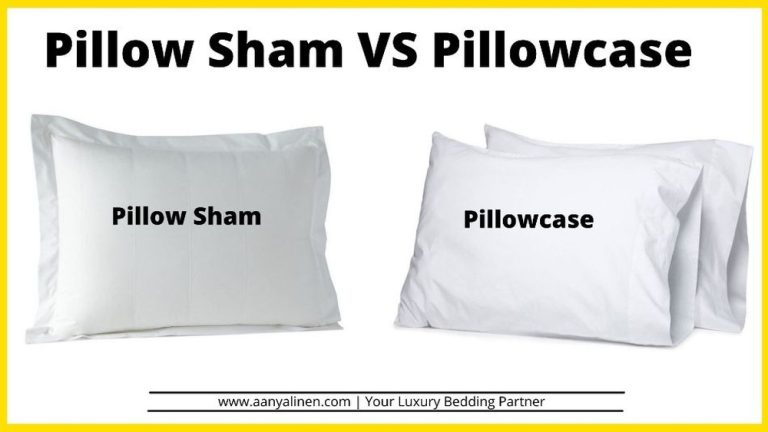
Understanding the key differences between a pillow case and a pillow cover helps you choose the right bedding. Both protect pillows but serve different purposes. Knowing these differences improves comfort and pillow care.
Functionality Comparison
A pillow case mainly protects your pillow from dirt and oils. It is the part you sleep on directly. Pillow covers act as an extra layer of protection. They keep pillows clean and add style to your bedding.
Material And Durability
Pillow cases are usually made from soft materials like cotton or silk. They focus on comfort and breathability. Pillow covers often use thicker fabrics. This makes them stronger and more durable for long-term use.
Ease Of Maintenance
Pillow cases are easier to wash and dry. They need frequent cleaning since they touch your skin. Pillow covers require less frequent washing. They protect the pillow from stains and dust over time.
Credit: linearcollider.org
Choosing Between Pillow Case And Cover
Choosing between a pillow case and a pillow cover can affect comfort and bedroom style. Both protect your pillow but serve slightly different roles. Understanding these differences helps pick the best option for your needs.
Lifestyle Considerations
Pillow cases suit everyday use. They are easy to wash and change often. Pillow covers offer extra protection, ideal for active people or those with pets. Covers last longer and guard against spills and dirt.
Bedroom Decor Impact
Pillow cases come in many colors and patterns. They brighten up your bed and match sheets. Pillow covers usually have a simple design. They focus more on function than style, blending with any decor.
Allergy And Hygiene Factors
Pillow covers provide better defense against dust mites and allergens. They create a barrier that pillow cases alone cannot. Washing covers regularly keeps your sleeping area clean and healthy. Cases are easier to change daily, supporting hygiene too.
Care And Cleaning Tips
Proper care keeps both pillow cases and pillow covers fresh and clean. It helps maintain their softness and look. Understanding how to wash and clean them ensures they last longer. Small habits in cleaning can prevent damage and stains.
Washing Instructions
Use mild detergent for washing pillow cases and covers. Wash them in cold or warm water, not hot. Hot water can shrink or fade fabrics. Choose a gentle cycle on your washing machine. Avoid washing with heavy items like jeans or towels. Air dry or use a low heat setting in the dryer. Remove promptly to reduce wrinkles and keep shape.
Stain Removal Methods
Act fast to remove stains from pillow cases and covers. Blot spills with a clean cloth, do not rub. Use a small amount of liquid detergent on the stain. For tough stains, apply a stain remover safe for fabric. Let it sit for 10 to 15 minutes before washing. Avoid bleach on colored or delicate fabrics. Test stain removers on a hidden spot first.
Maintenance For Longevity
Wash pillow cases and covers regularly to avoid buildup. Change them at least once a week for hygiene. Store clean pillow covers in a dry, cool place. Avoid exposure to direct sunlight for long periods. Repair small tears or loose threads promptly. Rotate pillow cases and covers to reduce wear. Proper care keeps them soft and looking new for years.

Credit: www.victorialinen.co.uk
Popular Trends And Innovations
The pillow case and pillow cover market has changed a lot in recent years. New trends and smart ideas make these bedding items better and more useful. People want comfort, style, and care for the planet all at once. This drives new designs and materials. Let’s explore the popular trends and innovations that shape pillow cases and covers today.
Eco-friendly Options
More people choose pillow cases made from natural fibers. Organic cotton and bamboo are popular choices. These materials need less water and no harmful chemicals. They are soft and gentle on the skin. Some pillow covers use recycled fabrics. This helps reduce waste and pollution. Eco-friendly options also last longer. This saves money and the environment.
Technological Enhancements
Technology adds new features to pillow cases and covers. Some have cooling fabrics to keep you fresh all night. Others include anti-bacterial or anti-allergy treatments. These stop dust mites and germs. Smart fabrics can even control moisture. This makes sleeping more comfortable and healthy. Technology helps protect skin and improve sleep quality.
Customizable Designs
Personalized pillow cases and covers are very popular now. People want colors and patterns that match their rooms. Custom prints let you add names, quotes, or photos. Some brands offer mix-and-match options. Choose different fabrics, sizes, and styles. This helps create a unique look. Custom designs add personality and fun to any bed.

Credit: www.youtube.com
Frequently Asked Questions
What Is The Main Difference Between Pillow Case And Pillow Cover?
A pillow case is a fabric sleeve that directly covers the pillow. A pillow cover is a protective layer that goes over the pillow case. Pillow covers often add extra protection or style, while pillow cases are used for comfort and hygiene.
Can Pillow Covers Replace Pillow Cases Completely?
Pillow covers cannot fully replace pillow cases. Pillow cases provide direct comfort and softness. Pillow covers mainly protect the pillow case from stains and damage. Both serve different purposes and are often used together for better pillow care.
Are Pillow Covers More Durable Than Pillow Cases?
Yes, pillow covers are generally more durable. They are made from stronger materials to protect the pillow case and pillow. Pillow cases focus on softness and comfort, so they tend to wear out faster than pillow covers.
How Often Should Pillow Cases And Covers Be Washed?
Pillow cases should be washed weekly to maintain hygiene. Pillow covers can be washed every two to four weeks. Regular washing helps prevent allergens, dust mites, and bacteria buildup on both pillow cases and covers.
Conclusion
Choosing between a pillow case and a pillow cover depends on your needs. Pillow cases protect your pillow from dirt and oils. Pillow covers offer an extra layer of defense and style. Both help keep your pillow clean and fresh.
Think about comfort, protection, and ease of cleaning. This way, you can pick what fits your lifestyle best. Remember, clean pillows mean better sleep and health. Simple choices can make a big difference in your rest.