
Nasal Mask Vs Pillow: Ultimate Comfort and Sleep Quality Showdown
Are you struggling to find the right mask for a comfortable night’s sleep? Choosing between a nasal mask and a pillow mask can feel confusing.
Your sleep quality depends on the mask that fits you best. You’ll discover the key differences, benefits, and what suits your unique needs. By the end, you’ll know exactly which option can help you breathe easier and wake up refreshed.
Keep reading to find the perfect fit for your restful nights.
Credit: www.rockinghamcpap.com.au
Types Of Cpap Masks
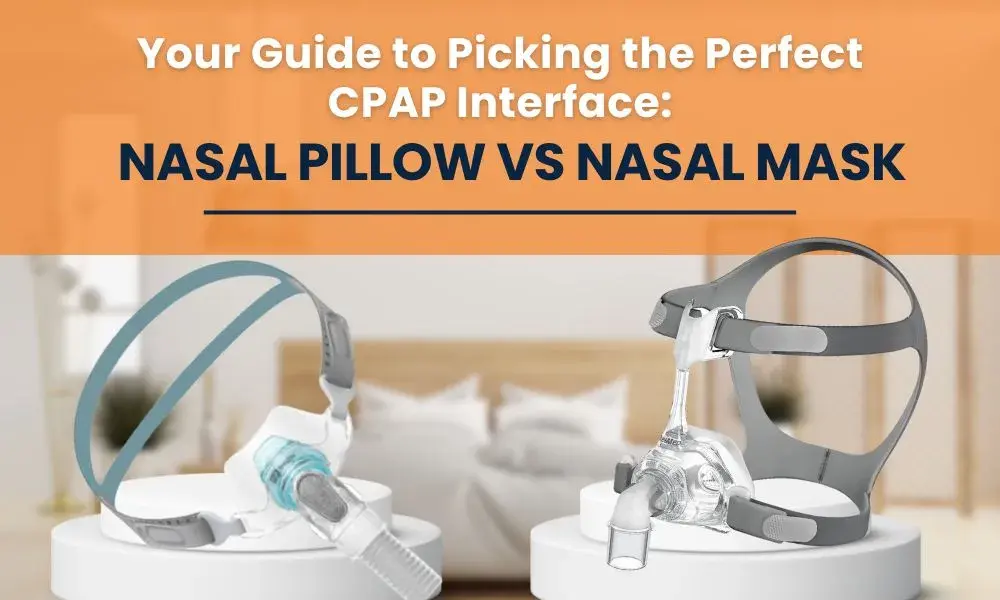
CPAP masks come in different types to suit various needs and preferences. Choosing the right mask helps improve comfort and sleep quality. Two common types are nasal masks and pillow masks. Each has unique features and fits differently on the face.
Understanding these types helps pick the best option for your therapy. Both masks deliver air through the nose, but their design and fit vary significantly.
Nasal Mask Features
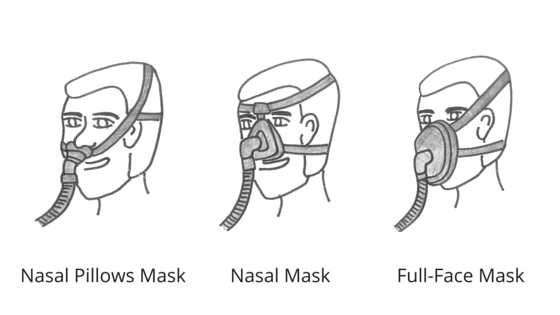
Nasal masks cover the nose completely. They have a soft cushion that seals around the nose. This design helps prevent air leaks during sleep. The frame holds the mask in place with adjustable straps.
These masks work well for people who breathe through their nose. They provide steady airflow and stable pressure. Nasal masks come in different sizes to fit various face shapes. They are often more comfortable than full-face masks.
Pillow Mask Features
Pillow masks use soft cushions that fit directly into the nostrils. They are smaller and lighter than nasal masks. This design reduces pressure on the nose bridge. Pillow masks are less visible and less bulky.
They suit people who move a lot during sleep. Pillow masks allow more freedom of movement. They also work well for those who feel claustrophobic with larger masks. However, some may find the nostril cushions less comfortable at first.
Comfort Comparison
Comfort plays a big role in choosing between a nasal mask and a pillow mask. How the mask feels during sleep affects rest quality. This section compares comfort factors to help you decide.
Fit And Seal
Nasal masks cover the nose fully. They provide a tight seal around the nose bridge and cheeks. This fit stops air leaks but may feel bulky for some users.
Pillow masks rest at the nose base with soft cushions. They seal around the nostrils and often feel lighter. The fit suits side sleepers well but may need adjustment for a secure seal.
Material And Design
Nasal masks use firm materials for shape and support. Some parts may feel stiff against the skin. Many models include soft padding to boost comfort.
Pillow masks use soft silicone cushions that gently touch the skin. Their design aims to reduce marks and pressure points. The lightweight build helps minimize discomfort during sleep.
Pressure Distribution
Nasal masks spread pressure across the nose and face. This can cause discomfort if worn tightly for long hours. Proper fitting reduces pressure spots significantly.
Pillow masks focus pressure on small areas near the nostrils. This targeted pressure feels less intense overall. Users often find pillow masks easier to tolerate over time.
Impact On Sleep Quality
The choice between a nasal mask and a pillow mask can affect how well you sleep. Each type impacts comfort and breathing during the night. This influence changes your overall sleep quality. Understanding these effects helps you pick the best option for restful nights.
Airflow Efficiency
Nasal masks cover the entire nose, allowing smooth airflow. They provide steady air pressure to keep airways open. Pillow masks fit just at the nostrils, offering direct airflow. This design can feel lighter but may not seal as firmly. Efficient airflow reduces waking moments and improves deep sleep phases.
Leakage Issues
Leakage happens when air escapes from the mask edges. Nasal masks usually create a tighter seal, lowering leaks. Pillow masks may leak more due to their smaller contact area. Leaks cause noise and dry eyes, disturbing sleep. Less leakage means fewer interruptions and better rest.
User Sleep Positions
Sleep position affects mask comfort and fit. Nasal masks work well for back and side sleepers. Pillow masks are better for side sleepers who move a lot. They are less bulky and allow easier head turns. Choosing a mask that fits your sleep style enhances comfort and sleep quality.

Credit: www.thecpapshop.com
Suitability For Different Users
Choosing between a nasal mask and a pillow mask depends on many user factors. Each type fits different needs and preferences. Understanding these differences helps pick the right option for better sleep therapy.
Nasal Congestion And Allergies
Nasal masks cover the nose fully. They work well if nasal passages are clear. If you often have a blocked nose, a pillow mask might suit better.
Pillow masks rest at the nostrils. They allow easier breathing when congestion occurs. People with allergies may find pillow masks more comfortable during flare-ups.
Facial Structure Considerations
Facial shape affects mask fit and comfort. Nasal masks suit those with regular nose shapes. They provide a tight seal but may feel bulky for some.
Pillow masks are lighter and less intrusive. They fit well on narrow or small faces. Those with prominent cheekbones often prefer pillow masks.
Active Sleepers
Active sleepers move a lot during sleep. Nasal masks can shift and cause leaks in this case. Pillow masks are smaller and stay in place better.
Pillow masks offer more freedom of movement. This helps reduce mask disruptions. People who change positions often may find pillow masks more practical.
Maintenance And Durability
Maintenance and durability are key factors for any nasal or pillow mask user. Proper care helps the mask last longer and work better. Both types need regular cleaning and some parts may wear out over time. Understanding these needs will help you keep your mask in good shape.
Cleaning Requirements
Nasal masks and pillow masks both need daily cleaning. Use mild soap and warm water for all parts. Avoid harsh chemicals that can damage the mask material. Clean the cushions carefully to remove oils and dirt. Let the parts air dry completely before use. Regular cleaning prevents skin irritation and keeps air flow clear.
Mask Longevity
Pillow masks often have smaller cushions that may wear out faster. Nasal masks usually last longer due to larger, sturdier parts. Replace cushions every 1 to 3 months to keep a good seal. Headgear and frame can last 6 months or more with proper care. Watch for cracks, tears, or loss of shape to know when to replace parts.
Cost And Availability
Cost and availability play a key role when choosing between a nasal mask and a pillow mask. Knowing the price range helps plan your budget. Finding where to buy these masks ensures you get the right product easily. Both masks have varied options, so understanding their cost and availability helps make a smart choice.
Price Range
Nasal masks tend to cost more than pillow masks. They usually range between $70 and $150. Pillow masks are often cheaper, with prices from $50 to $100. The price depends on brand, features, and size. Some higher-end nasal masks include extra comfort features, raising the price. Pillow masks offer a budget-friendly choice with basic options.
Where To Buy
Both nasal and pillow masks are available online and in stores. Online retailers like Amazon and medical supply websites offer wide selections. Local pharmacies and medical equipment shops also stock these masks. Buying online may provide more options and better prices. Physical stores let you try masks for fit before buying. Choose a source that offers good customer support and return policies.
User Feedback And Preferences
User feedback plays a big role in choosing the right sleep mask. It shows what real users like or dislike about nasal masks and pillows. Listening to their experiences helps others pick the best option for better sleep.
People share their thoughts on comfort, fit, and ease of use. These factors often decide which mask they prefer. Some users find one type easier to wear all night. Others focus on how well the mask stops air leaks.
Common Complaints
Many users say nasal masks can feel bulky on the face. Some report pressure marks on their nose after long use. A few find them harder to adjust properly, causing air leaks.
Pillow masks often cause discomfort around the nostrils. Users mention the pillows can press too hard or shift during sleep. Some feel the pillows do not seal well for side sleepers.
Both mask types sometimes cause skin irritation or redness. Cleaning can be tricky for some, leading to hygiene concerns. Noise from the mask is another common issue users report.
Preferred Mask Types
Users who need a stable fit often prefer nasal masks. These masks cover the nose fully and stay in place well. They suit people who sleep on their back.
Pillow masks are popular among side sleepers and those who dislike bulky masks. Their small size makes them feel less intrusive. Many find pillow masks easier to wear for longer hours.
People with sensitive skin sometimes choose pillow masks to reduce irritation. Others select nasal masks for a stronger seal and less air leakage. Preferences vary based on sleeping position and face shape.
Credit: www.sleepdr.com
Frequently Asked Questions
What Is The Main Difference Between Nasal Mask And Pillow?
A nasal mask covers the nose fully, while a nasal pillow fits just at the nostrils. Pillows are smaller and less obtrusive. Masks offer more stability, and pillows provide more freedom of movement during sleep.
Which Mask Is Better For Side Sleepers?
Nasal pillows are often better for side sleepers because they are smaller and less likely to shift. Nasal masks can feel bulkier and may cause discomfort when sleeping on your side.
Are Nasal Pillows More Comfortable Than Nasal Masks?
Comfort depends on personal preference. Nasal pillows are lightweight and less intrusive, making them comfortable for many users. Nasal masks provide a secure fit but can feel heavier and warmer.
Can Nasal Masks Cause Skin Irritation?
Yes, nasal masks can cause skin irritation if they don’t fit properly or if worn for long periods. Proper fit and regular mask cleaning help reduce irritation risks.
Conclusion
Choosing between a nasal mask and a pillow depends on your comfort. Nasal masks cover the nose fully, offering stability. Pillow masks rest under the nose, feeling lighter and less bulky. Both help with better sleep and breathing. Think about your sleeping style and personal needs.
Trying each type can show what fits best. Good sleep matters. Pick the mask that helps you rest well every night.